
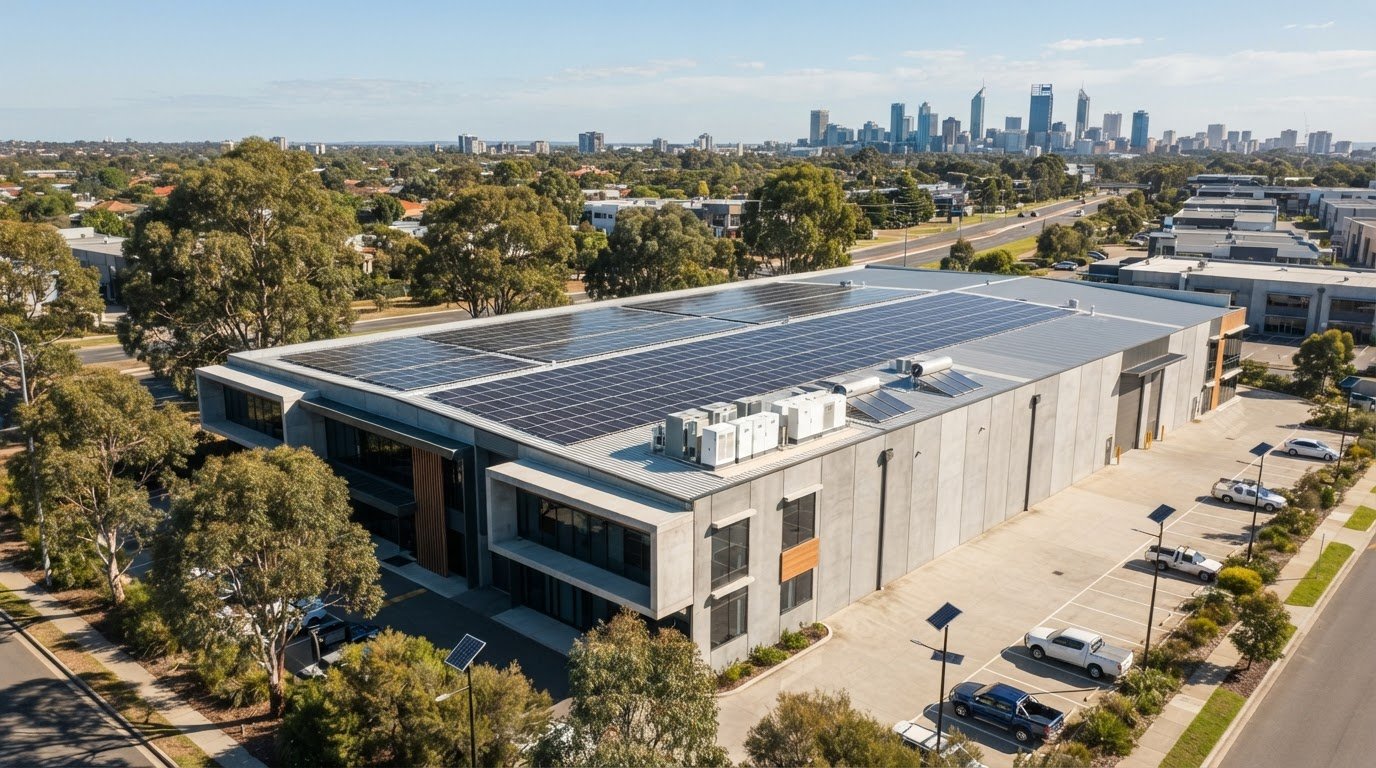
The biggest commercial solar system isn’t always the right one for your business. The best commercial solar energy solutions are shaped by when your site uses electricity, how much it needs and what the roof and operating conditions can support.
It’s understandable to wonder whether solar generation will line up with your busiest hours, or whether adding a battery or solar hot-water system will make the project more complicated. These technologies serve different purposes, so compare them against your energy use and priorities, not simply by the equipment they involve.
This guide explains commercial solar PV, battery storage and solar thermal water heating, and how they can work separately or together. You’ll learn what to consider about your site, operating schedule, electricity demand and connection requirements, along with the information that helps shape a suitable project. Redefining Solar supplies and installs commercial systems across Australia, and provides maintenance and repairs. The aim is to help you compare practical options with greater confidence.
Key Takeaways
- Commercial solar energy solutions work best when matched to your site’s electricity use and operating priorities.
- Compare solar PV, batteries and solar thermal by the job each does, the energy demand it serves and the factors that shape its design.
- Use your energy bills, interval data where available and operating hours to build a clearer picture of your business’s needs.
- Site conditions and working schedules help determine how much solar generation your business can use as it is produced.
- A practical project pathway moves from assessment and design through installation and handover, with the system tailored to your site.
What commercial solar energy solutions can do for an Australian business
Commercial solar energy solutions are technologies selected around a business site’s energy requirements, available space and operating pattern. For an industrial shed, that might mean solar photovoltaic (PV) panels to generate electricity, a battery to store suitable excess generation, or a solar thermal system to help provide hot water. Each serves a different purpose, so the right mix depends on what your business actually uses.
Solar PV panels capture sunlight and produce electricity. An inverter converts that electricity into a form your site can use, helping power equipment, lighting and other everyday operations while the system is generating. The broader Solar power in Australia overview provides context on the country’s solar sector, but a business project still needs to be assessed against the site’s own conditions.
Using more of the generated electricity on site may be a practical benefit, but outcomes vary. They depend on factors such as your electricity use, system design and site conditions. Assess solar against your operations rather than treating it as a promise of a particular bill reduction or payback.
How commercial solar PV supports everyday operations
Panels generate electricity during daylight, so your operating hours can affect how much of that power you use as it is produced. A shed with daytime machinery or refrigeration may draw on solar generation during working hours. If most of your electricity use happens outside those hours, the match may be different and needs careful consideration.
Roof space is only one part of the picture. Shading, roof condition and layout, and the electrical infrastructure also influence system design. Reviewing these details helps shape a system around the building and its daily demands, rather than assuming every industrial roof can support the same configuration.
When storage or solar hot water may be relevant
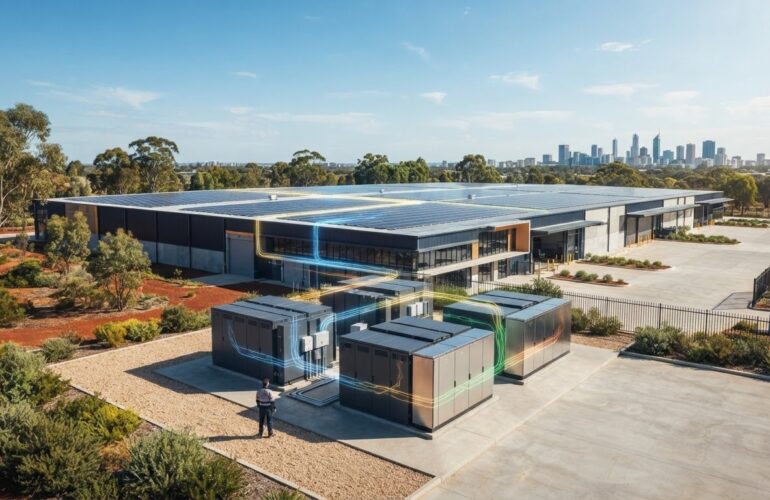
A battery stores suitable excess solar generation for use later, such as when a business has evening demand. It doesn’t generate electricity; it shifts some stored energy to a different time. Whether storage suits your operations depends on when electricity is available and when your site needs it.
Solar thermal is a separate technology that uses solar energy to heat water. It may suit a business with substantial hot-water needs, while PV addresses electricity demand. Looking at these options separately helps clarify which requirement you’re trying to meet. Some sites may have a reason to consider more than one technology, but the combination should follow the site’s energy use and operating priorities.
Compare commercial solar solutions: PV, batteries and solar thermal
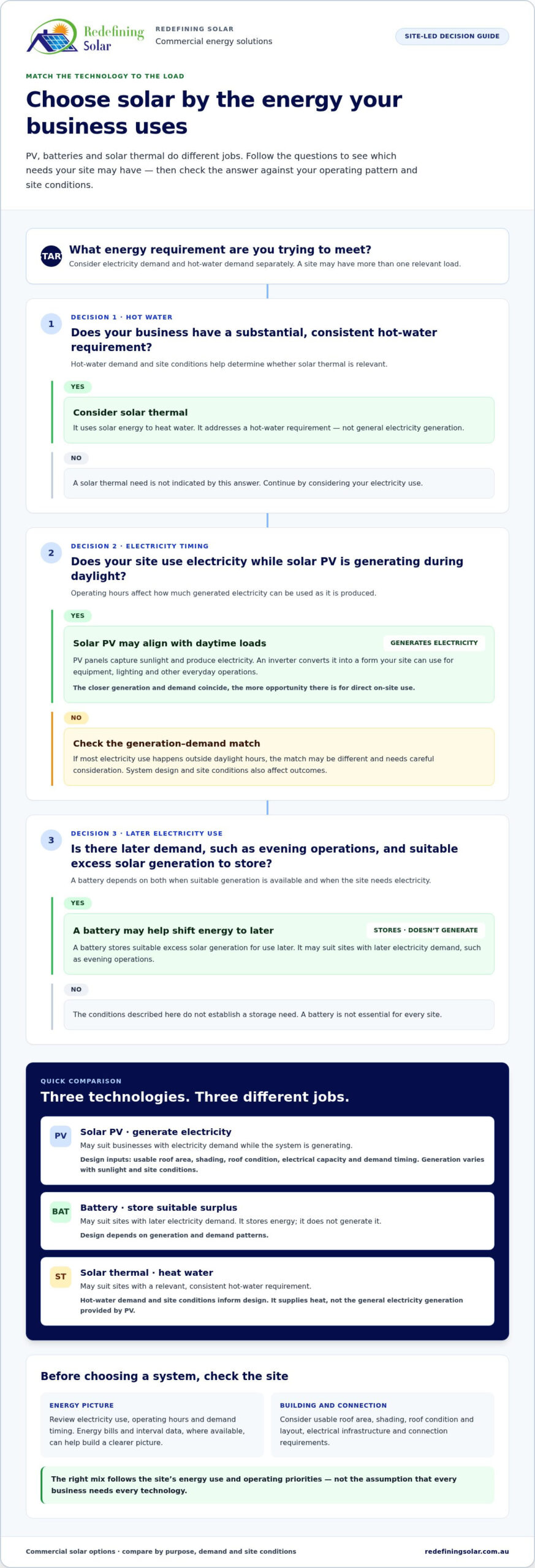
These technologies address different energy needs. Solar PV generates electricity, a battery stores suitable surplus electricity for later, and solar thermal uses solar energy to heat water. Comparing their roles can help you see which commercial solar energy solutions suit your industrial shed, rather than assuming you need every option.
| Technology | Purpose | Load pattern it may suit | Key design inputs and limitations |
|---|---|---|---|
| Solar PV | Generates electricity for use on site. | Businesses with electricity demand while the system is generating. | Consider usable roof area, shading, roof condition, electrical capacity and demand timing. Generation varies with sunlight and site conditions. |
| Battery | Stores suitable excess solar generation for later use. | Sites with later electricity demand, such as evening operations. | Design depends on generation and demand patterns. A battery stores energy; it doesn’t generate it. |
| Solar thermal | Uses solar energy to heat water. | Sites with a relevant, consistent hot-water requirement. | Hot-water demand and site conditions inform design. It supplies heat, not the general electricity generation provided by PV. |
Commercial solar PV: prioritise on-site generation
PV may be a practical starting point for a business that uses electricity during daylight, as generated power can serve operating loads while the system is producing. The closer generation and demand coincide, the more opportunity there is for direct on-site use. A site assessment also considers roof condition and usable area, shading, and whether the electrical infrastructure suits the proposed design.
Batteries and solar thermal: match technology to the load
A battery may help shift some suitable solar generation to a later period, but it isn’t essential for every site. Solar thermal may suit a business where hot water is a substantial operational need. For example, an industrial shed with evening electricity use may assess storage, while a site with regular hot-water demand may consider solar thermal. These are different applications, not interchangeable upgrades.
Combining technologies can make sense where the operating needs, site conditions and design support it. PV with a battery addresses electricity at different times; solar thermal addresses water heating. The appropriate arrangement comes from understanding the site’s loads, not adding equipment by default. Explore commercial solar system options as part of planning a solution around your shed’s requirements.
Will commercial solar work for your site? Address the common concerns
There isn’t one system size or technology mix that suits every business. Two industrial sheds with similar roof areas can have very different electricity needs because their equipment, operating hours and work patterns differ. A useful assessment looks at how your site uses energy across the day, then considers which technologies and system design fit those demands.
Solar generation varies with sunlight and site conditions, so it won’t produce the same amount of electricity at every hour. The practical question is how its generation may line up with your operations, and what happens when it doesn’t. This helps set realistic expectations: a system may contribute to your energy needs, but it shouldn’t be treated as a guarantee of a particular bill reduction or a replacement for every other supply arrangement.
What if your business uses power outside daylight hours?
PV generates electricity during daylight, while a business may also use power in the evening or overnight. A battery can store suitable excess solar generation for later use, but whether that fits depends on the site’s generation and demand patterns. It doesn’t generate electricity, guarantee supply through every operating period or remove the need to consider how the business will meet its broader energy needs.
For example, an industrial shed with daytime production and evening equipment use has a different load pattern from one that operates mainly during daylight. Reviewing operating hours alongside electricity use helps show whether direct solar use, storage or another system arrangement warrants consideration.
Can an existing roof and electrical setup support solar?
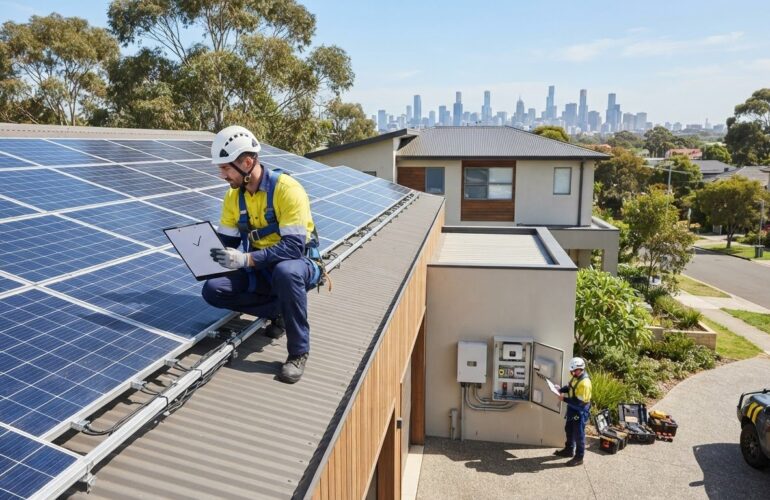
Roof space, condition, shading and the site’s electrical infrastructure all help shape a PV design. A large roof doesn’t automatically mean all of it is suitable for panels, and obstructions or shaded areas can affect how usable space is planned. An on-site assessment helps identify these constraints and develop practical options around the existing building and electrical setup.
Export conditions and network connection requirements can vary, so they also form part of project planning. The applicable requirements need to be assessed for the site before a design is settled; assumptions about exporting surplus electricity aren’t a sound basis for sizing a system.
These checks make the decision more grounded. By bringing together your operating schedule, energy-use information and site conditions, an assessment of commercial solar energy solutions can focus on what the shed can support and how the system may serve its real needs.
How to assess commercial solar energy solutions for your operations
A clear assessment starts with how your industrial shed uses energy, not with an assumed system size. Gather recent electricity bills and interval data where available, then note your operating hours, major energy-using processes and any planned changes. This gives the design process a practical starting point and helps connect commercial solar energy solutions to your actual work patterns.
Prepare an energy profile before system design
Look for when demand rises and falls across the day and, where the information allows, across different seasons. Note equipment that runs continuously, processes concentrated in particular shifts, and any planned machinery, site expansion or changes to operating hours. These details can affect how well solar generation lines up with your electricity use.
Keep electricity and hot-water needs distinct. If your operation uses substantial hot water, record when and how it’s needed as a separate requirement. That helps distinguish whether the project should focus on solar PV, solar thermal, storage or a considered combination.
Turn site information into a workable project scope
Next, relate the energy profile to the site itself. Usable roof area, shading, roof condition and electrical infrastructure inform what a practical PV design can accommodate. The same information helps determine whether a battery could address later electricity demand, whether solar thermal fits the hot-water load, or whether battery-ready design is worth considering for future needs.
Plan delivery as well as equipment. Discuss installation requirements, how system performance will be monitored, and the maintenance and repair support that may be needed over time. Redefining Solar is directed by a licensed electrician and provides commercial solar, battery and solar thermal systems, alongside maintenance and repairs. This connects technical assessment with practical project planning.
For a broader overview of purchase considerations, read the commercial solar buying guide. If you’re preparing a project, discuss your commercial solar requirements with Redefining Solar. Bring your bills, available interval data, operating hours and known site changes into the conversation.
From assessment to installation: a dependable commercial solar pathway
A well-planned project moves through clear stages: an initial discussion, site assessment, system design, installation, commissioning and handover. Each stage builds on information about your energy use, operating needs and the shed itself. This helps ensure the proposed commercial solar energy solutions respond to the site, rather than follow an assumed standard configuration.
What to expect during commercial solar delivery
Project discussions establish what your business needs the system to do. Site assessment then brings those priorities together with practical details such as roof space, shading and electrical infrastructure. That information informs the design and helps plan how installation can fit around the site’s requirements and normal operations. The work sequence will depend on the individual project.
During installation, the solar equipment is fitted and connected as set out in the project design. Commissioning involves checking that the system operates as intended, while handover gives your business the information needed to understand and use it. Redefining Solar is directed by a licensed electrician, connecting technical assessment with practical planning from design through installation.
Plan for performance beyond installation
After handover, monitoring can help you understand how much electricity the system generates and whether its operation changes over time. Reviewing that information alongside your site’s energy use can make it easier to spot questions that may need attention. Monitoring provides useful visibility, but it doesn’t replace maintenance or guarantee a particular level of generation.
Maintenance and repairs are practical parts of managing a solar asset. They help address system issues and support ongoing, safe operation. Planning for care beyond installation gives your business a clearer picture of what’s involved over the system’s working life.
If you may want to add storage later, consider that possibility during initial project planning. Battery-ready design and a future upgrade depend on the existing system and site requirements. The solar battery storage upgrade guide explains factors to consider when planning for storage.
Every project has its own requirements, sequencing and practical considerations, so costs and completion timeframes depend on the individual scope. To discuss a commercial solar project for your industrial shed, talk with Redefining Solar about your site.
Take the next step towards a solar plan that fits
The right commercial solar energy solutions begin with your business’s energy use, operating hours and site conditions. Solar PV, battery storage and solar thermal each meet different needs, so a suitable design should reflect your priorities rather than an assumed standard setup.
Gather your electricity bills, available interval data and operating details to make the first project discussion more useful. From assessment and design to installation, handover and ongoing maintenance, a clear pathway can help you understand what your site needs and what to expect.
Redefining Solar is Australian-owned and operated, with direction from a licensed electrician. Its commercial solar, battery storage, solar thermal, maintenance and repair services support businesses at different stages of a project. Discuss a commercial solar solution for your business and take a practical next step towards a system shaped around your site.
Frequently Asked Questions
What are commercial solar energy solutions?
Commercial solar energy solutions are solar technologies selected to suit a business site’s energy needs and operating pattern. They can include solar photovoltaic (PV) systems that generate electricity, batteries that store suitable surplus generation, and solar thermal systems that heat water. These options serve different purposes, so a business may use one technology or consider a combination. The right approach depends on the site, its energy demand and its priorities.
How does commercial solar work for a business?
A commercial solar PV system uses panels to generate electricity from sunlight, while an inverter makes that electricity usable by the business. The site can use the generated power as it operates, with the amount used directly depending partly on when electricity demand occurs. For example, daytime machinery may use some generation as it’s produced. System design also considers roof space, shading, roof condition and electrical infrastructure.
Can commercial solar power a business at night?
Solar PV generates electricity during daylight, so panels alone don’t produce solar power at night. A battery can store suitable excess daytime generation for later use, including during evening operations. How much stored energy is available depends on the system, generation and the site’s use. A battery doesn’t create electricity or guarantee that all after-hours demand will be met, so businesses should consider how they’ll meet energy needs when stored power is unavailable.
Are commercial solar batteries worth considering?
A commercial solar battery may be worth assessing if your business has electricity demand after daylight hours and suitable surplus solar generation to store. Its usefulness depends on how generation and demand line up, the site’s operating pattern and the project’s design. Storage isn’t essential for every business, and it shouldn’t be assumed to deliver a particular saving. Compare its role against direct daytime use and your broader energy requirements.
How is a commercial solar system sized?
A commercial solar system is sized by considering the site’s electricity use, when demand occurs and the available space and electrical infrastructure. Bills and interval data, where available, can help show how consumption changes during operating hours and across seasons. Planned equipment or changes to the business schedule can also affect the assessment. The design should respond to those site details, rather than rely on a standard system size.
Can commercial solar provide hot water for a business?
Yes. A solar thermal water-heating system uses solar energy to heat water for a business with a relevant hot-water requirement. It serves a different purpose from solar PV, which generates electricity, so solar thermal isn’t a substitute for PV. Assess the amount and timing of hot-water demand alongside electricity use to understand which technology, or combination of technologies, fits the site’s operations.
What should a business prepare before requesting a commercial solar assessment?
Gather recent electricity bills, interval data if available, operating hours and information about major energy-using processes. Note planned equipment, site expansion or changes to work schedules, as these may affect future demand. If hot water is important to your operations, record those needs separately from electricity use. This information helps make the assessment more practical and allows the project discussion to focus on your site’s requirements.
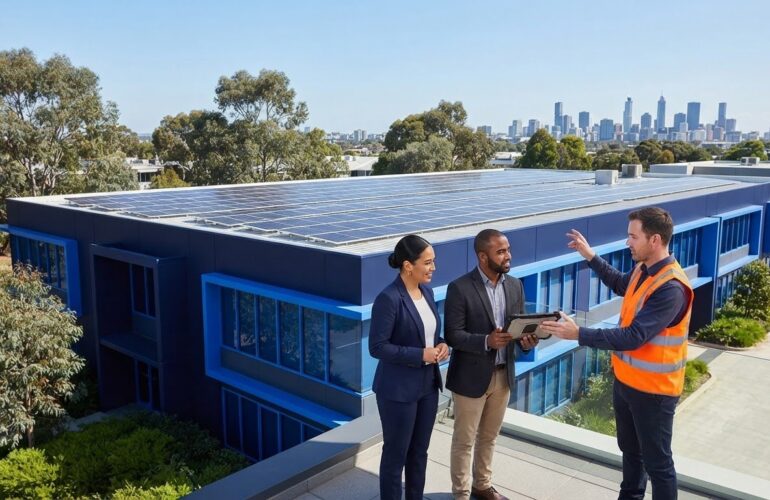
[…] your business uses electricity, how much it needs and what your site can support. When comparing commercial solar systems that Australian businesses might consider, start by checking how much of the power generated can be […]