
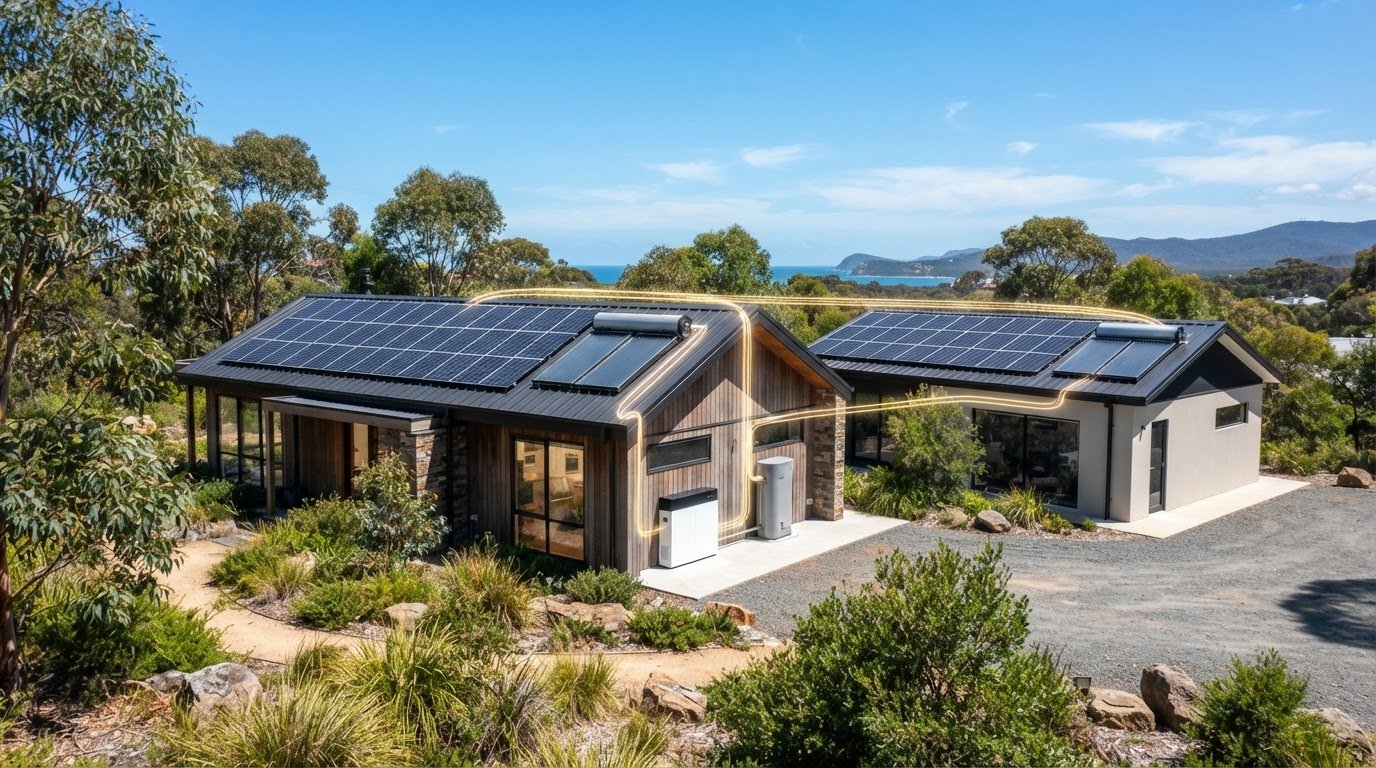
What if the best solar setup for your property isn’t the one with the most panels or a battery added by default? It’s sensible to compare options carefully: solar panels generate electricity, while solar thermal systems heat water, and each serves a different purpose. This guide to clean energy solar solutions australia starts with what your home or business needs, not a one-size-fits-all package.
You’ll learn how solar electricity, battery storage and solar hot water can work together, and when a battery-ready upgrade may be worth considering. The goal is to match the technology to your energy use, daily routines and plans for the property.
You’ll also find a practical first-assessment framework: what energy-use details and property information to gather, what a sound system design and installation process should cover, and why maintenance matters over time. With a clearer picture of your options, you can make informed decisions at a pace that suits you.
Key Takeaways
- See how solar electricity differs from solar thermal hot water, so you can compare options by what they actually do.
- Understand how panels, inverters and batteries work together, and why system design affects how you use stored energy.
- Compare clean energy solar solutions australia by your property, energy use and plans.
- Gather useful details before an assessment, including electricity bills, usage patterns, hot-water needs and existing system information.
- Learn what a complete project can involve, from understanding your needs and supplying equipment to installation and ongoing maintenance.
What do clean energy solar solutions in Australia include?
Clean energy solar solutions are technologies that generate or use solar energy at a property. They can include photovoltaic (PV) panels for electricity, an inverter to make that electricity usable, battery storage, and solar thermal equipment to heat water. The right mix depends on the property and how energy is used, rather than on adding every technology by default.
For a business, the timing of energy use matters. A site that uses most of its electricity during daylight can use solar generation as it happens. A business with different operating hours may value storing some surplus for later. A grid-connected system can draw electricity from the network when needed and send surplus to it, subject to system design and connection arrangements. The Solar Power in Australia overview provides broader context on how solar is used across Australian properties.
How does solar power work on an Australian property?
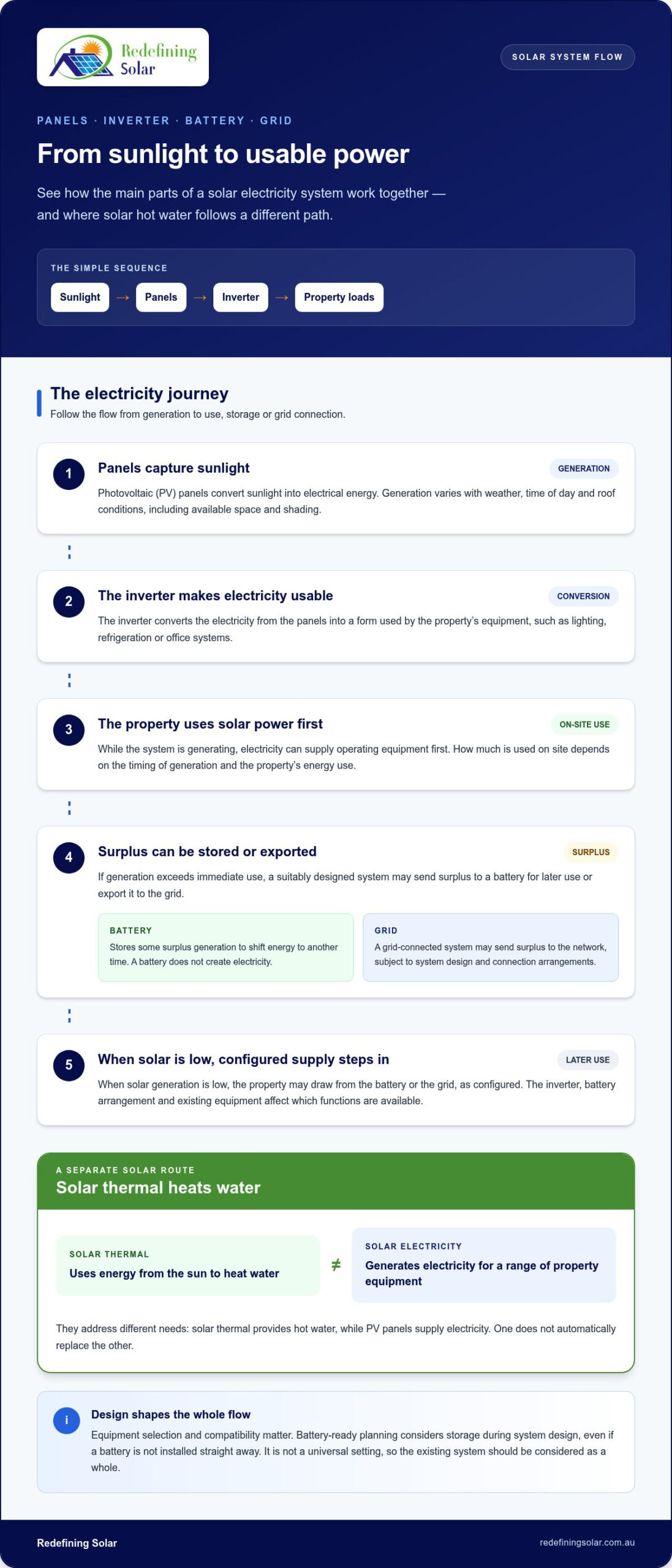
PV panels capture sunlight and convert it into electrical energy. The inverter changes the electricity into a form used by the property’s equipment, such as lighting, refrigeration or office systems. Solar generation varies with weather, time of day and roof conditions, including available space and shading, so output won’t be constant.
While the system is generating, electricity can supply operating equipment first. Depending on the system design, surplus may be exported to the grid or stored in a battery for later use. A battery doesn’t create electricity; it shifts some generated energy to a different time. Its role depends on when the site uses power and how the system is configured.
What makes solar thermal different from solar electricity?
Solar thermal systems use energy from the sun to heat water. Their purpose is to provide hot water, rather than electricity for general property loads. PV panels, by contrast, generate electricity that can run a range of equipment through the property’s electrical system.
These technologies address different needs, and one won’t automatically replace the other. A site with substantial hot-water demand may have different priorities from one focused on daytime electricity use. Some properties may benefit from considering both, while others may need only one. Reviewing energy bills, operating hours, hot-water use and roof conditions gives a more useful starting point than choosing by technology alone.
In practical terms, clean energy solar solutions australia can cover several distinct approaches. Understanding what each one does helps you compare options against your property’s conditions and energy-use patterns, then consider how grid connection, on-site consumption and storage could fit into a suitable design.
How solar panels, batteries, inverters and solar hot water fit together
A solar power system works as a chain: panels generate electricity, an inverter makes it usable, and the property’s equipment draws power as needed. If generation exceeds immediate use, a suitably designed system may send surplus to a battery or the grid. The best arrangement depends on the equipment, the property and when energy is used.
What does each solar system component do?
Panels generate electricity from sunlight. The inverter converts that electricity for use by the property. A battery stores some surplus generation for use later, while monitoring helps you view system performance and energy flows. Equipment selection and compatibility shape how these parts operate together.
Typical electricity flow:
- Sunlight → panels → inverter → property loads
- Surplus generation → battery storage or grid export, depending on system design
- When solar generation is low → battery or grid → property loads, as configured
This is a simplified map, not a promise that every system can send energy in every direction. The inverter, battery arrangement and existing equipment affect the available functions. Solar thermal hot water follows a separate path: it uses solar energy to heat water rather than supplying electricity through the inverter.
When might a battery-ready upgrade make sense?
Battery-ready planning means considering storage during solar system design, even if you decide not to install a battery straight away. It can suit a property whose energy use may change over time or whose owner wants to plan for a later addition. Installing a battery immediately is a separate decision, based on current usage, system design and the value of shifting solar energy to another time.
For an existing system, the inverter and other equipment affect whether a battery can be added and how the upgrade should be designed. “Battery-ready” isn’t a universal setting, so consider the existing system as a whole. This can be particularly relevant for a business that uses more power outside solar generation hours.
Solar thermal can also be considered alongside electricity generation where hot-water demand is part of the property’s energy use. It serves a different purpose, so the decision is about matching each technology to a real need rather than assuming one replaces the other. Redefining Solar supplies and installs solar power, battery and solar thermal systems. Explore solar system options to see how these technologies could fit your property.
Which clean energy solar solution suits a home or business?
Start with the job you want the system to do. Comparing clean energy solar solutions australia options means looking at when you use energy, whether hot water is a major need, and what the property can support. No single combination suits every home or business.
| Option | Main purpose | Useful questions | Key design dependencies |
|---|---|---|---|
| Solar electricity | Generate electricity for use on site, with surplus potentially exported to the grid. | How much electricity do you use during daylight hours? | Roof condition, available space, shading, inverter selection and energy use. |
| Battery | Store some surplus solar generation for later use. | Do you use substantial electricity after solar generation falls? | Usage patterns, system compatibility, battery design and desired operation. |
| Battery-ready upgrade | Plan an existing or new solar system with future storage in mind. | Could your storage needs change later? | Existing equipment, inverter compatibility and upgrade design. |
| Solar thermal | Use solar energy to heat water. | How much hot water does the property need, and when? | Hot-water demand, property conditions and system design. |
How should households compare solar options?
Start with household electricity use during the day, hot-water needs and any plans to add a battery. Compare usage across your bills and note when major appliances typically run. Roof condition, available space and shading help shape what can be installed, while household routines show when generated power may be useful. These details give a clearer basis for comparing a solar electricity system, storage, solar hot water or a combination.
What should businesses consider before choosing solar?
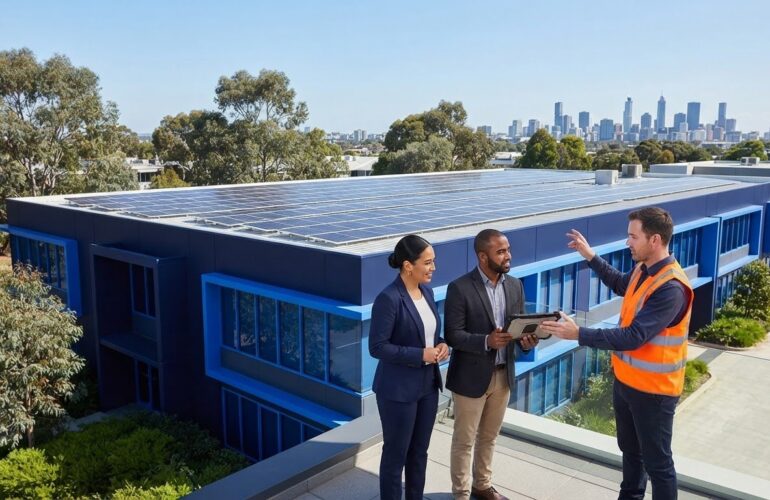
For a business, review operating hours, daytime demand, site constraints and planned changes to equipment or operations. A load profile, which shows how electricity use changes over time, helps indicate whether generation is likely to align with demand and whether storage warrants consideration. Note which equipment runs during daylight and what continues operating after solar generation falls. These details help organise the questions for a commercial solar assessment.
These inputs help frame a practical assessment, but they don’t establish a guaranteed system size, payback period or saving. Those depend on the property, equipment and actual energy-use patterns. Keep the comparison focused on fit: what the system needs to supply, when it’s needed and which site conditions shape the design.
A practical Australian clean energy solar assessment template
A little preparation can make an initial solar discussion more useful. This worksheet helps you collect the details that shape clean energy solar solutions australia, whether you’re planning for a household or a business. You don’t need to calculate system size or inspect electrical equipment. Gather what you already know and leave technical, structural and system-design questions for a professional assessment.
What information should you gather about energy use?
- 1. Collect electricity bills. Note the period covered and record any usage information shown. Bills provide a starting point for understanding how much electricity the property uses.
- 2. List major energy loads. Include equipment that uses substantial power, such as refrigeration, heating, cooling or machinery, and note roughly when it operates.
- 3. Describe the property’s routine. Record typical hours of occupancy or, for a business, opening and operating hours. Note seasonal changes in demand, such as busier periods or greater heating and cooling use.
- 4. Record hot-water needs. Note the existing hot-water system type, typical demand and when hot water is used. Include household routines or business activities that affect demand.
- 5. Note future changes. List planned changes that could affect energy use, such as new equipment, altered operating hours or changes to the property.
What property details help shape a suitable design?
- 6. Write down visible roof observations. Note the apparent orientation, areas that may be shaded, available roof space and any known concerns. Don’t climb onto the roof or attempt to assess its structure yourself.
- 7. Gather existing system records. If solar is already installed, collect documents that identify the panels, inverter or battery, along with previous system paperwork. Don’t open or handle electrical equipment to find details.
- 8. Note questions for the assessment. Include concerns about roof condition, electrical equipment, system compatibility, installation design or future battery storage. These need a professional assessment, not a guess based on appearance.
Before making decisions based on incentives, check current Australian programme details and eligibility. Technical standards and requirements can also change, so current information should be verified as part of planning. A worksheet is a useful starting point, not a system design or a promise of a particular result.
When you’re ready to turn your notes into a project plan, discuss your solar project with Redefining Solar, an Australian-owned and operated business directed by a licensed electrician.
From clean energy plan to a well-supported solar system
A well-planned project begins with your energy needs, not a predetermined package. Information about electricity use, operating hours, hot water and the property helps guide system design and equipment selection. This keeps decisions grounded in how the home or business actually runs.
What should a clear solar project process cover?
A sound process moves through connected stages: understand requirements, design the system, supply suitable equipment, install it and plan for ongoing care. The design should account for the property’s conditions and energy-use patterns, then bring the selected panels, inverter, battery or solar thermal system together where relevant.
Redefining Solar designs and installs solar systems for homes and businesses, supplying the equipment selected for each project. Installation and commissioning put the designed system into operation. The equipment and site determine the work involved, so the process should be specific to the project rather than based on assumed timings or a standard setup. Clear communication about the proposed system and its intended role helps you understand what is being installed and how it fits your needs.
Plan for the system’s ongoing care, too. Redefining Solar provides maintenance and repairs for existing solar power and solar heating installations. Keeping that work in view makes the project a more complete plan, not just a decision about what goes on the roof.
How can Redefining Solar help with a clean energy plan?
Redefining Solar supplies and installs residential and commercial solar power systems and solar thermal water heating systems across Australia. Project planning brings system design, equipment supply and installation together, with the approach tailored to the property and its energy requirements. The business is Australian owned and operated, and directed by a licensed electrician.
Redefining Solar also installs solar batteries and battery-ready upgrades, supplies inverters and solar panels, and provides maintenance and repairs for existing systems. Solar thermal can be part of the plan where hot-water needs matter. These options have different roles, so the aim is to select what addresses your requirements rather than add equipment without a clear purpose.
Understanding clean energy solar solutions australia is easier when each stage connects back to your property, energy use and plans. Explore solar solutions with Redefining Solar to consider what your home or business needs.
Make your next solar decision with confidence
The right solar plan starts with your property’s energy needs. Solar panels generate electricity, batteries can store surplus for later, and solar thermal systems heat water. They serve different purposes, so usage patterns, operating hours and property conditions should guide what belongs in your setup.
That’s the practical foundation for choosing clean energy solar solutions australia: understand how and when you use energy, gather relevant bills and system details, then use those insights to shape a suitable design. A considered plan also includes ongoing maintenance and repairs.
Redefining Solar is Australian owned and operated, directed by a licensed electrician, and supplies and installs residential and commercial solar power and solar thermal systems. Explore clean energy solar solutions for your property and discuss your project with the team.
Frequently Asked Questions
What are clean energy solar solutions?
The phrase clean energy solar solutions australia refers to technologies that generate or use solar energy at a property. These can include photovoltaic panels and inverters for electricity, batteries to store some surplus generation, and solar thermal systems that heat water. Each option serves a different purpose. The right combination depends on your property, energy use and operating patterns, rather than assuming every home or business needs every technology.
How do solar panels and batteries work together?
Solar panels generate electricity from sunlight, and an inverter makes it usable by equipment at your property. That electricity can supply appliances or business loads while the system is generating. If there’s surplus, a compatible system may store some of it in a battery for later use, depending on its design. A battery shifts energy to another time; it doesn’t generate electricity, and its suitability depends on your usage and system setup.
Is solar hot water the same as solar power?
No. Solar hot water, also called solar thermal, uses energy from the sun to heat water. Solar power systems use photovoltaic panels to generate electricity for property equipment. They address different needs, so solar thermal isn’t a general replacement for electricity generation, and panels don’t directly perform the same hot-water function. A property with substantial hot-water demand may consider thermal heating alongside electricity generation, depending on its conditions and energy use.
Can an existing solar system be upgraded with a battery?
Yes, an existing solar system may be upgraded with a battery, but the design depends on the equipment already installed. The inverter, system configuration and battery compatibility all matter, so the setup needs to be assessed as a whole. Redefining Solar provides battery installations and battery-ready upgrades for existing solar systems. A battery-ready upgrade can also be considered when planning ahead, even if storage isn’t being installed immediately.
How do I know whether solar suits my home or business?
Start by comparing your energy use with the property’s conditions and the times you need power. Electricity bills, daytime usage, operating hours, hot-water demand, roof space and shading can all help inform an assessment. A household’s routines may differ from a business’s load profile, especially if equipment runs outside daylight hours. These details help shape a suitable design, but they don’t establish a universal system size, saving or payback period.
Do solar panels work on cloudy days in Australia?
Yes, solar panels can still generate electricity on cloudy days, though their output is generally lower than in strong direct sunlight. The amount generated changes with cloud cover, time of day, season and conditions around the panels, such as shading. This variability is one reason a system’s design should consider your energy use over time, rather than relying on the assumption that generation will be constant throughout the day.
What should I prepare before getting a solar system designed?
Gather recent electricity bills, notes on when the property uses power, and a list of major appliances or business equipment. Record the hot-water system type and any planned changes to routines or operations. You can also note visible roof orientation, shading, available space and known concerns, plus existing panel, inverter or battery details. Don’t inspect electrical equipment yourself. A professional assessment can address electrical, structural and system-design questions.
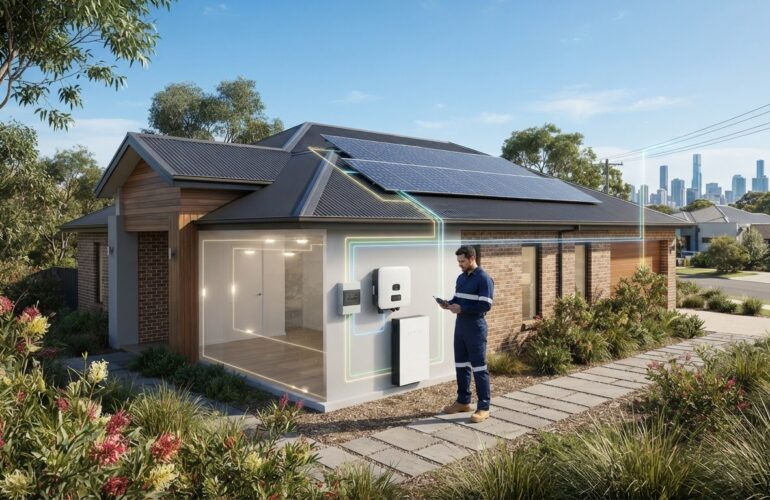
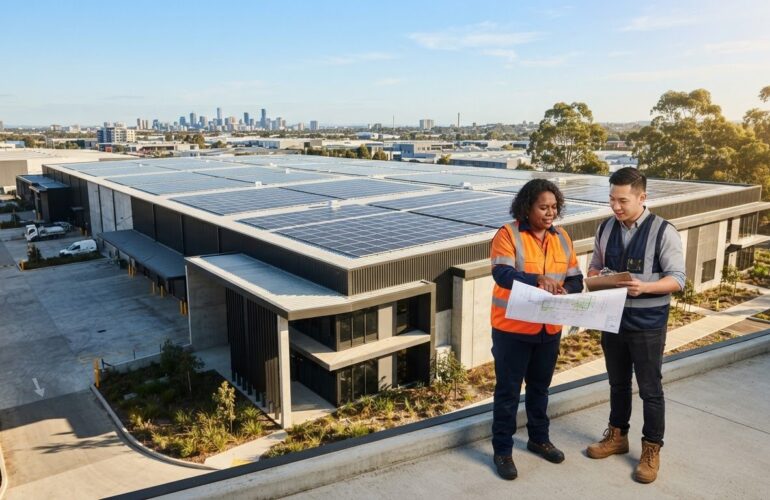
[…] storage and future readiness. If you’re considering a solar battery or want the system to be battery-ready, include that in early project discussions. Storage can influence equipment choices and the work […]