
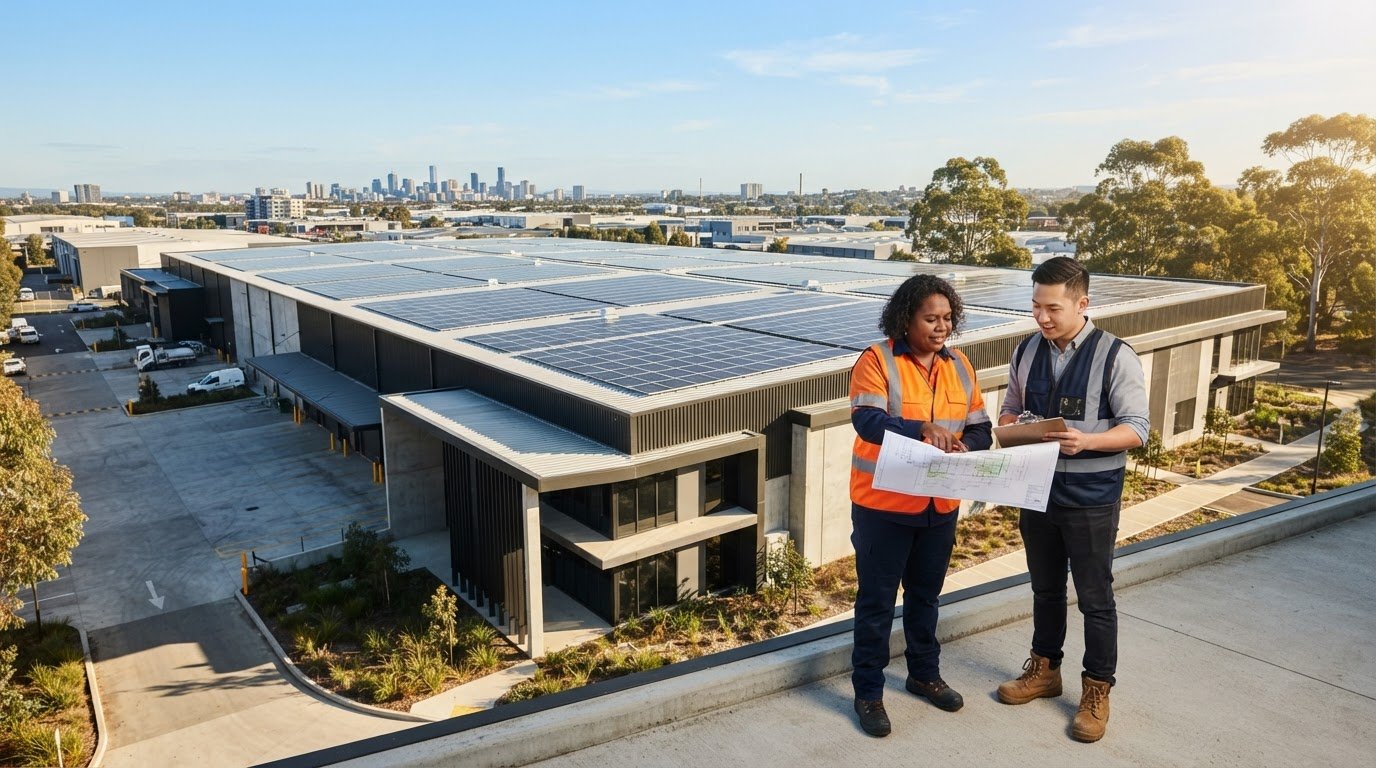
When comparing commercial solar panel suppliers, the key difference may not be the panels themselves, but who takes responsibility for bringing your project together. Some suppliers provide equipment only, while others coordinate system design, equipment and installation.
Supplier descriptions can make comparisons difficult. First decide whether you need components for an installation you have arranged or want one team to coordinate planning and installation. Financing options, such as purchasing, leasing or a power purchase agreement, can also affect how a project is arranged.
This guide explains common commercial solar supplier models and what each typically covers, so you can match the supply approach to your site, resources and project needs. It also sets out how equipment supply, design, installation and ongoing maintenance fit together. Redefining Solar provides commercial solar system design and installation, as well as supply-only panels and inverters. Understanding how responsibilities are divided is a practical first step, whether you’re planning a new system or supporting an existing one.
Key Takeaways
- Compare commercial solar panel suppliers by who handles design, equipment, installation and ongoing support, not by panel selection alone.
- Understand how turnkey, supply-only and other supplier arrangements divide project responsibilities.
- Use your site, energy-use patterns and available roof area to shape the system scope and supply approach.
- Clarify how commissioning and future maintenance fit into the project, so responsibilities don’t fall between separate parties.
- Decide whether you need equipment only or a coordinated design-and-install project, then use that choice to plan your next step.
Commercial solar panel suppliers: what businesses need to know first
A supplier might provide a few components or take responsibility for a much larger part of your solar project. The distinction matters because panels alone don’t make a working system. Your business needs to know who is responsible for each stage.
A solar panel supplier provides equipment; delivering an operating solar system also requires suitable design, compatible components, installation and commissioning. Commercial solar panel suppliers may offer supply-only, installation-led or turnkey arrangements, so the word “supplier” doesn’t define the full scope. Check that the agreement spells out what is included and who is responsible for each task.
What does a commercial solar panel supplier provide?
Panels generate electricity from sunlight, while inverters convert that electricity into a form your business can use. A system also needs supporting components, including mounting and electrical equipment. These parts need to work together, so assess them as a system rather than as unrelated purchases.
With supply-only, the buyer organises design or installation separately. An installation-led arrangement centres on fitting the system, while a turnkey provider brings design, equipment supply and installation together. Also establish who handles commissioning and future servicing. Maintenance and repairs can support an existing system, but may sit outside the original supply or installation scope. For an overview of the local context, see Solar power in Australia.
Why supplier scope matters to a business
Clear responsibilities help keep a project coordinated. If one party supplies panels and inverters while another handles design and installation, understand how those roles connect. Equipment choices, system plans and installation work need to align. A joined-up scope can make accountability clearer; supply-only can suit a business that has already organised the other project roles.
Your site and operating schedule help define the project requirements. A business that uses most of its electricity during daylight hours may have different priorities from one with substantial evening or overnight operations. Available roof area, site constraints and energy-use patterns all inform design discussions. Your business sets the outcomes the system should support, such as using more generated electricity on site or preparing for future changes in demand. The supplier’s role is to deliver the agreed scope.
Commercial solar panel suppliers in Australia: five supply models
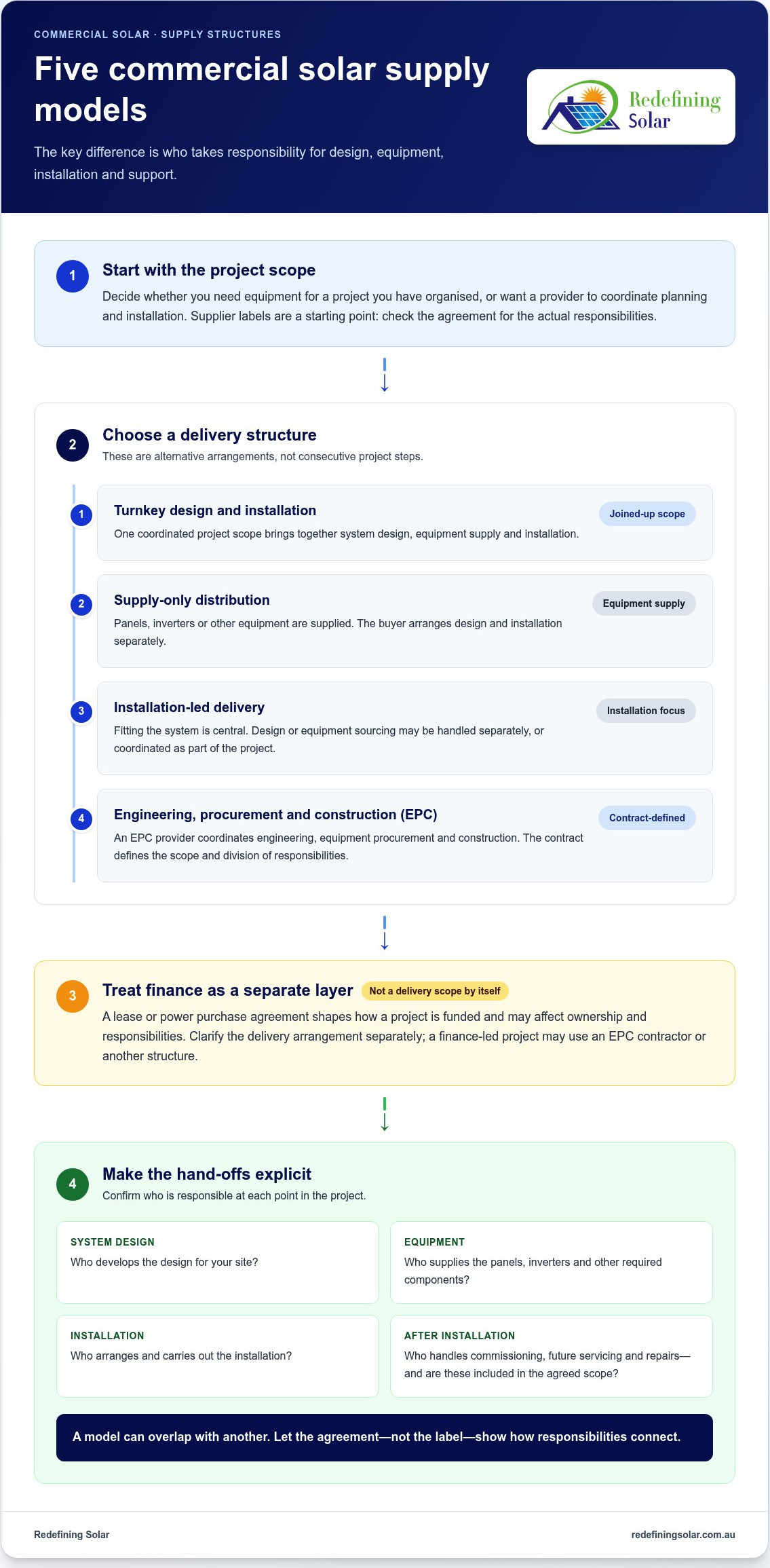
Commercial solar projects can be arranged in several ways, from buying equipment separately to appointing one team to manage delivery. These five models show how responsibilities may be divided. They can overlap, so focus on the agreement rather than relying on the model’s label.
Turnkey supply-and-install providers
A turnkey provider combines system design, equipment supply and installation within a coordinated project scope. Redefining Solar provides commercial solar system design and installation, bringing these responsibilities together. The business is Australian-owned and directed by a licensed electrician. This arrangement can give your project a clearer point of accountability across planning and installation.
Supply-only and specialist supplier arrangements
Supply-only means purchasing solar panels and inverters without including a complete design-and-install project in that supply. It can suit a business that has arranged its own project team. Specialist equipment suppliers may provide particular components, while installation-led providers focus on fitting a system using equipment selected or specified for the project. Each arrangement divides responsibility differently.
In practice, the five common models include:
- Turnkey design and installation: Design, equipment supply and installation are brought together under one project scope.
- Supply-only distribution: Panels, inverters or other equipment are supplied, while the buyer arranges design and installation separately.
- Installation-led delivery: Installation is central to the arrangement, with design or equipment sourcing handled separately or coordinated as part of the project.
- Engineering, procurement and construction (EPC): An EPC provider coordinates engineering, equipment procurement and construction. It can resemble turnkey delivery, but the contract defines the scope and division of responsibilities.
- Finance-led arrangements: Options such as a power purchase agreement or lease shape how a project is funded and may affect ownership and responsibilities. They’re financing structures, so clarify the delivery scope separately.
These models aren’t always mutually exclusive. An EPC arrangement may also be turnkey, while a finance-led project may use an EPC contractor or another delivery structure. Check what the agreement assigns: who develops the system design, supplies equipment, installs the system and supports it after handover.
Redefining Solar offers coordinated commercial solar design and installation, as well as supply-only panels and inverters. Businesses can choose a joined-up project scope or source equipment for a project they’re organising separately. For an overview of commercial solar design and installation, consider how each responsibility would be managed for your site.
How commercial solar supplier models differ in practice
A supplier label is a starting point, but the project scope shows who is responsible for each part of delivery. Supplier scope matters as much as panel selection because design, installation, commissioning and ongoing support all affect how a commercial solar project is delivered.
Equipment supply versus a complete solar project
With equipment-only purchasing, your business sources panels, inverters or other components, while arranging design and installation separately. A complete project can bring these tasks together, helping align equipment choices with the system design and installation plan. The better fit depends on your internal resources and how much coordination you want to manage.
Redefining Solar provides commercial solar system design and installation, as well as supply-only panels and inverters. The table shows how responsibilities can vary. Use it as a guide, because the agreed scope can differ between projects.
| Supplier model | Design | Equipment | Installation | Commissioning and ongoing service |
|---|---|---|---|---|
| Turnkey | Usually included | Usually supplied | Usually included | Confirm commissioning and any ongoing service in the scope |
| Supply-only | Arranged separately | Panels, inverters or other agreed items supplied | Arranged separately | Confirm who commissions the system and handles future service |
| Installation-led | May be included or separate | May be supplied or sourced separately | Central to the arrangement | Confirm commissioning and ongoing support responsibilities |
| EPC | Engineering is generally part of the scope | Procurement is generally part of the scope | Construction is generally part of the scope | Check what the agreement covers after construction and handover |
| Finance-led | Depends on the delivery arrangement | Depends on the delivery arrangement | Depends on the delivery arrangement | Ownership and service responsibilities depend on the agreement |
Installation, maintenance and support responsibilities
Installation and commissioning are related, but they aren’t the same task. Installation puts the system in place; commissioning involves checking and setting it up for operation. Confirm who handles commissioning and what information your business receives at handover, so you understand the system and its ongoing responsibilities.
Maintenance and repairs are separate considerations, whether they’re included in a project arrangement or organised later. Redefining Solar provides maintenance and repair services for commercial solar systems. When comparing commercial solar panel suppliers, consider both the work needed to deliver the system and how you’ll manage support after installation.
Match a commercial solar supplier model to your business needs
Start with your business requirements, not a standard system size. Use the steps below to clarify what the project needs before choosing equipment-only supply, installation-led support or a coordinated design-and-install approach.
Start with site and operating requirements
- Map the site. Note the available roof area and practical constraints that could affect equipment placement. These details inform design discussions, but they aren’t enough on their own to determine system size.
- Understand your electricity use. Consider when your business operates and when it uses the most electricity. A site that uses more power during daylight hours may have different priorities from one with heavier evening or overnight demand.
- Set your objectives. Decide what you want the project to support, such as using solar electricity on site or preparing for future changes in energy needs. Clear objectives help define the scope before you compare commercial solar panel suppliers.
- Consider storage and future readiness. If you’re considering a solar battery or want the system to be battery-ready, include that in early project discussions. Storage can influence equipment choices and the work included.
There’s no reliable one-size-fits-all system size. Roof space, operating patterns, electricity use and project objectives need to be considered together.
Decide how much project coordination you need
With supply-only equipment, your business takes on more coordination. You’ll need to organise how design, panels and inverters, installation and commissioning fit together. This can suit a project where those responsibilities are already planned. A turnkey arrangement brings more of these tasks into one scope, making responsibilities easier to follow and leaving less coordination for your business to manage directly.
Plan for what happens after installation, too. Commissioning and handover prepare the system for operation and help your business understand it. Ongoing maintenance and repairs are separate service needs, so include them in your planning rather than assuming they’re part of installation.
Redefining Solar provides commercial solar system design and installation, supply-only panels and inverters, and maintenance and repairs. These services support businesses seeking a coordinated project or arranging their own installation. Explore commercial solar project options and consider which scope fits your site and operating needs.
Commercial solar panel suppliers: practical next steps with Redefining Solar
Once you’ve compared supplier models, decide how much of the project you want covered in one arrangement. You might need panels and inverters for a project you’re organising, or prefer design, equipment supply and installation brought together. A clear scope shows what’s included and what your business will manage.
What Redefining Solar can bring to a commercial project
Redefining Solar provides commercial solar system design and installation, bringing planning, equipment and on-site work together as a coordinated option. If you’re arranging installation separately, supply-only solar panels and inverters are another way to source key equipment. The right route depends on your project plan and which responsibilities you want to coordinate directly.
For an existing solar installation, maintenance and repairs can address ongoing system needs. If you’re planning for energy storage, battery-ready upgrades and solar batteries may also be relevant. These are distinct from panel supply and installation, so include them early if they form part of your plans.
Move from supplier research to a project conversation
Before discussing a project, outline a few practical details:
- Your site: Describe the business premises and available roof area.
- Your operations: Note typical operating hours and when your business uses electricity.
- Your preferred scope: Decide whether you’re considering equipment-only supply or a coordinated design-and-install project.
- Future and ongoing needs: Include any interest in battery readiness or storage, and consider how maintenance or repairs may fit into your plans.
These details give the conversation a useful starting point without committing you to a particular system size or supply model. You can also revisit the earlier sections to compare how design, equipment, installation and support responsibilities can be bundled or handled separately.
Redefining Solar supports commercial projects through system design and installation, supply-only panels and inverters, and maintenance and repairs. If you’re ready to discuss your site and preferred project scope, get in touch with Redefining Solar for a practical conversation about your commercial solar project.
Set your commercial solar project up with clear responsibilities
The right commercial solar panel suppliers are those whose scope fits your business, not simply those offering particular panels. Decide whether you need equipment only or a coordinated design-and-install project, then clarify who handles installation, commissioning and ongoing support. Your site, operating hours and electricity-use patterns can help shape those discussions.
Redefining Solar is Australian-owned and operated, and directed by a licensed electrician. The business provides commercial solar design, equipment supply and installation, alongside maintenance and repair services for ongoing system needs.
Ready to take the next step? Discuss your commercial solar project with Redefining Solar. A clear conversation about your site and preferred project scope can help you move forward with confidence.
Frequently Asked Questions
What does a commercial solar panel supplier do?
Commercial solar panel suppliers can provide equipment alone or coordinate a broader solar project. Supply may include panels and inverters; broader scopes can add system design, installation and commissioning. Ongoing support, such as maintenance and repairs, is a separate responsibility to clarify. Start by identifying which tasks are included, which are separate, and who is responsible for each hand-off.
What is the difference between a solar supplier and a solar installer?
A solar supplier sells or sources equipment, while a solar installer carries out the physical installation. The roles can overlap: a turnkey provider may supply panels and inverters, design the system and install it under one project scope. With supply-only, your business organises design and installation separately. Compare responsibilities rather than titles, and clarify who handles commissioning and handover.
Can a business buy commercial solar panels without installation?
Yes. A business can purchase commercial solar panels and inverters without including installation in the supply agreement. This is a supply-only arrangement, where the buyer organises system design and installation separately and coordinates how the equipment fits into the wider project. Redefining Solar sells solar panels and inverters on a supply-only basis. This route can suit businesses with project arrangements in place, provided responsibilities are clearly allocated.
How do businesses choose between a turnkey supplier and supply-only panels?
Choose based on how much project coordination your business can manage. With supply-only panels and inverters, you arrange design, installation and the connections between project roles. A turnkey supplier brings design, equipment supply and installation together, reducing the hand-offs your business needs to coordinate. Consider your team’s capacity, existing project arrangements and whether you want one coordinated delivery scope.
Do commercial solar panel suppliers also provide batteries?
Some commercial solar suppliers include batteries or their installation within a broader project, while others supply solar equipment without storage. Treat batteries as a specific part of the scope: decide whether you need a battery-ready upgrade, a battery, or neither, and how it fits your system plans. Redefining Solar provides solar batteries and battery-ready upgrades alongside commercial solar services. The project arrangement determines how these elements are incorporated.
What should a commercial solar project scope cover?
A commercial solar project scope should state who is responsible for system design, panels, inverters and other agreed equipment, installation, commissioning and handover. It should also clarify what information your business receives when the system is ready to operate. Ongoing maintenance and repairs are separate from installation, so define how those needs will be managed. Clear allocations help prevent uncertainty between project stages and parties.
Can solar suppliers maintain or repair an existing commercial system?
Yes. Maintenance and repairs can support an existing commercial solar installation, separately from buying new panels or arranging a new system installation. Maintenance addresses ongoing system care, while repair work responds to faults or damage that need attention. Redefining Solar provides maintenance and repair services for existing solar installations, helping businesses manage continuing support needs.
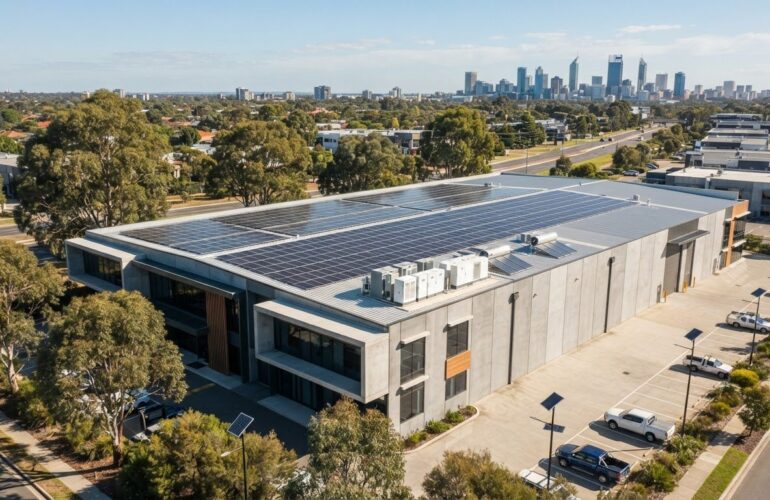
[…] considerations, so costs and completion timeframes depend on the individual scope. To discuss a commercial solar project for your industrial shed, talk with Redefining Solar about your […]