
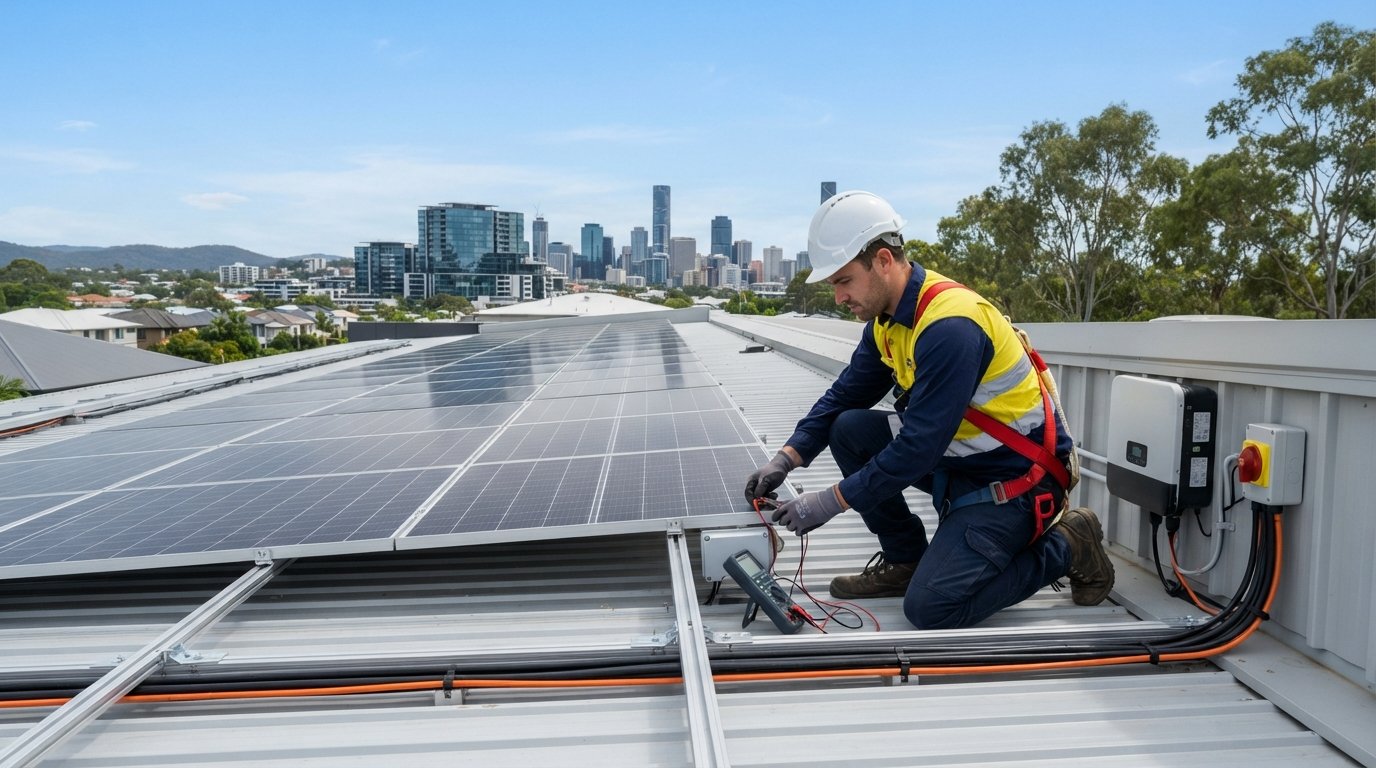
A preventative solar maintenance service should check your panels, inverter, wiring, isolators, roof fixings and system performance. In Victoria, rooftop solar systems should be professionally serviced by a licensed electrician at least every 2 years, according to Energy Safe Victoria.
It’s easy to assume panels need attention only when they look dirty, but a preventative solar maintenance service can uncover less visible issues, from electrical faults to damage around roof fixings. Learn what an inspection can cover, what may damage panels, and how roof access, system type, cleaning and repair needs affect the work involved.
Knowing the signs that your system needs attention and what a thorough inspection involves helps you make informed decisions about keeping it operating safely and reliably.
Key Takeaways
- Service costs can vary with roof access, system type and the checks or repairs needed, so understand what the quoted work covers.
- Dust, leaves, animal droppings, hail and shading can affect panel condition or output; cleaning and inspection needs depend on your site.
- Have the inverter, isolators, wiring and electrical connections checked for warning signs, wear and faults.
- In Victoria, rooftop solar systems should be professionally serviced by a licensed electrician at least every 2 years, according to Energy Safe Victoria.
- Use a qualified solar professional for inspections and repairs, and keep a record of system performance and service findings.
Additional charges for roof access and system types
A preventative solar maintenance service checks for developing issues before they interrupt generation; reactive repairs begin after a fault or symptom appears. A scheduled visit may assess panels, fixings, wiring, isolators, inverter or battery fault history, and system output. The scope depends on your equipment and the access required.
In Australia, preventative solar maintenance can include visual checks, electrical testing, inverter readings and a review of system performance. Monitoring helps you spot changes between visits. Compare output across similar sunny periods and check bills for unexpected changes. Warning lights, error codes or zero solar export on a recent bill can signal a fault that needs investigation.
Access affects the work involved. Roof height, pitch, layout and panel location can influence how an inspection is carried out. An accessible array may require a different approach from panels on a steep or awkward roof. The quote should explain the inspection and access arrangements, keeping any repairs clearly separate.
System type also shapes the checks. A solar-only setup differs from one with a battery, while array size, inverter model, isolator locations and cabling affect the inspection. Previous faults and requested cleaning or repairs may add tasks. Tell the electrician what equipment you have and describe any output changes or warning messages.
Keep routine inspection separate from replacement or upgrade work. If testing identifies a faulty inverter, isolator or battery component, repair or replacement is additional work, beyond checking the system. Preparing for a battery is also different from maintaining existing equipment. A preventative solar maintenance service can clarify your system’s present condition before you consider those next steps.
Shutdown and restart testing follows a specific sequence. During an inspection, the system should shut down within two seconds when its disconnection device is operated. After the device is switched back on, the inverter must take at least 60 seconds to start. These checks show how the system responds to the switch operation.
Don’t inspect the roof or electrical equipment yourself. A solar system can remain energised even when mains power is switched off, and repairs should only be attempted by an accredited electrician. Share your monitoring observations and any warning codes when arranging an inspection. This helps focus the assessment on the symptoms you’ve noticed.
Before booking, ask for a quote that describes the checks and separates inspection from repairs, cleaning, replacement or upgrade work. The price depends on the case and is given after a quote request; roof access, system type and the work required are relevant factors. A detailed report should record checks, findings and fixes, giving you a clear basis for follow-up decisions.
What can damage solar panels?
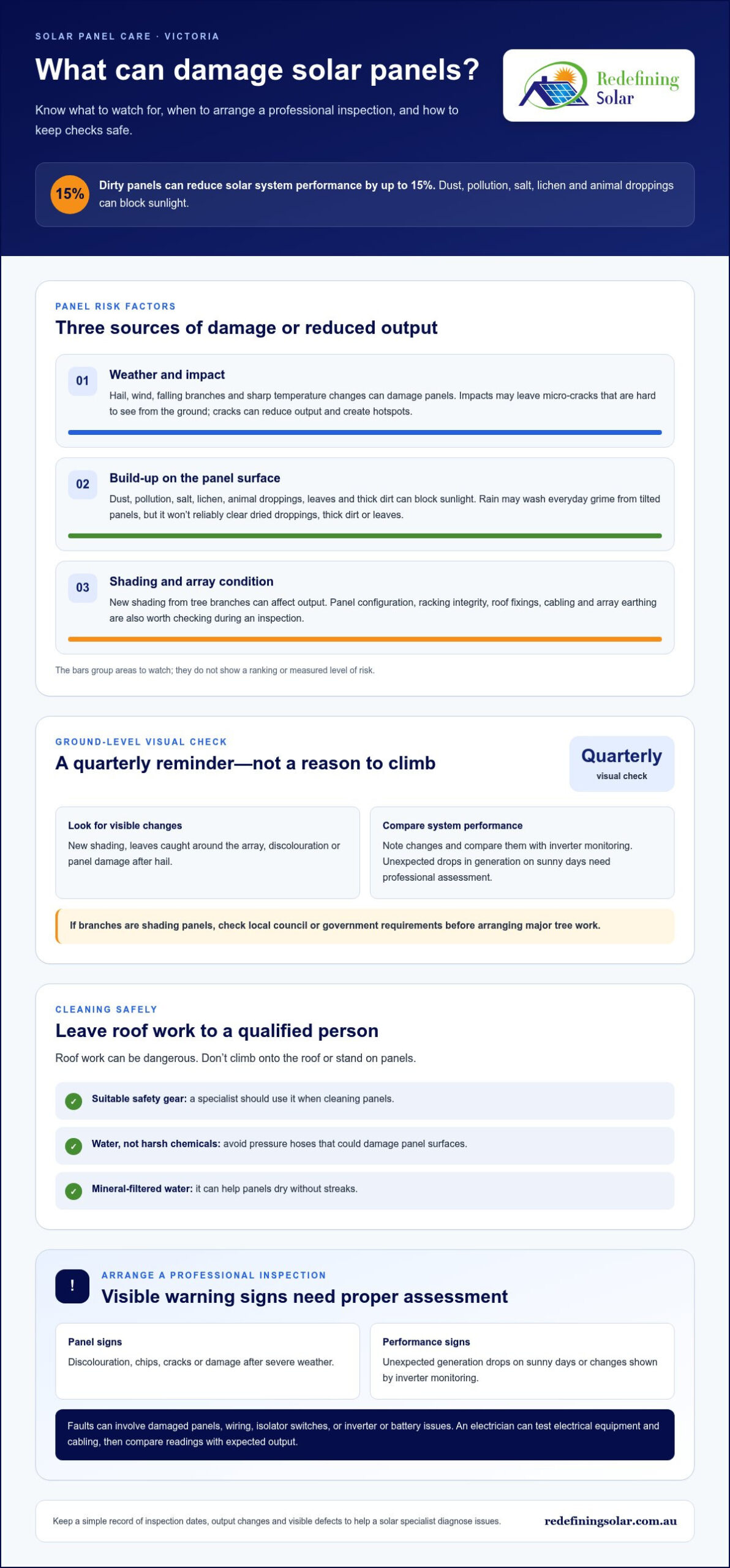
Hail, wind, falling branches and sharp temperature changes can damage solar panels. Some impacts leave micro-cracks that aren’t obvious from the ground. These can reduce output and create hotspots, where heat builds unevenly. Dirt, leaves or imperfections can also contribute to hotspots, so visual checks matter.
Dust, pollution, salt, lichen and animal droppings can block sunlight. Dirty panels can reduce solar system performance by up to 15%. Rain may wash everyday grime from tilted panels, but it won’t reliably remove dried droppings, thick dirt or leaves. Flat panels need particular attention because water doesn’t run off naturally.
In Australia, only a qualified person should clean solar panels because roof work can be dangerous. Don’t climb onto the roof or stand on panels. A specialist should use suitable safety gear, water rather than harsh chemicals, and avoid pressure hoses that could damage panel surfaces. Mineral-filtered water can help panels dry without streaks.
Set a quarterly reminder for a ground-level visual check, not a reason to climb up. Look for new shading from tree branches, leaves caught around the array, visible discolouration or panel damage after hail. Note changes and compare them with inverter monitoring. If branches shade panels, check local council or government requirements before arranging major tree work.
Discolouration, chips and cracks need professional assessment, as do unexpected drops in generation on sunny days. Faults can stem from damaged panels, faulty wiring, isolator switches, or inverter or battery issues. An electrician can test electrical equipment and cabling, then compare readings with expected output.
Array stability matters as much as glass condition. An inspection can check the racking method and its integrity, along with panel configuration and array earthing. Roof fixings and cabling can also be checked for visible wear or movement. After severe weather, note what you can see from a safe position and arrange an inspection.
Keep a simple record of inspection dates, output changes and visible defects. For example, note a new shadow, a panel with changed colour or an inverter warning. These details help a solar specialist diagnose issues and track whether a fault affects system performance over time.
If damage or reduced output points to a fault, solar maintenance and repairs can help identify the issue and the work required. Regular, safe observations help you describe the symptoms clearly without attempting roof or electrical work yourself.
Inspecting inverter, isolators and electrical connections
An inspection checks for signs of damage or faults in the inverter, switches and wiring. These checks can help explain unexpected changes in generation or electricity bills.
Inverter inspections and warning codes
The inverter converts electricity from your panels into power for your property. An inspection looks for dust, spider webs, vermin, blocked ventilation and visible damage. The technician can also review warning lights, error codes and stored fault history, then compare inverter readings with expected system performance.
Record any displayed warning before the visit, along with changes in monitoring data or electricity bills. Inverters commonly have product warranties of 10 years. Warranty terms and servicing history matter when assessing a repair, so keep installation and service records together.
Isolator and electrical connection inspections
Isolators allow parts of a solar system to be disconnected for maintenance or during a fault. An inspection can check AC and DC isolator condition, connections, ratings, brand and polarity. The electrician also tests electrical equipment and cabling for defects, including loose connections, wear or heat damage.
A solar system can remain energised even after mains power is switched off. Don’t open electrical enclosures, operate unfamiliar switches or attempt repairs yourself. Leave testing and repairs to an accredited electrician, who can assess the system safely and document any faults.
In Australia’s hot conditions, inverter ventilation needs to remain clear. Dust or other blockages around heatsinks and ventilation grilles can contribute to overheating and shorten the inverter’s life. Depending on the inspection findings, an electrician may identify a need to improve shading or replace an isolator.
Diagnosis starts with symptoms and test results, not guesswork. A red inverter light, repeated error messages or no solar export on recent electricity bills can indicate a fault. The cause may lie with the inverter, battery, wiring, isolator or panels, so testing connected components helps pinpoint the repair.
If an inverter is out of warranty and remains faulty after a restart, repair or replacement may be needed. A warning light or error message also warrants investigation. Don’t repeatedly restart the system to clear a fault; record the code and arrange an assessment instead.
Before approving repairs, ask for a clear report of the fault, tests performed and recommended work. Keep invoices and service records with warranty documents. Work by a company other than the original installer could affect a system warranty, so review the relevant warranty conditions before arranging service.
Solar safety, compliance and performance checks
A thorough inspection reviews electrical safety, system condition and output, then records findings for follow-up. In Victoria, rooftop solar systems should be professionally serviced by a licensed electrician at least every 2 years, according to Energy Safe Victoria.
Health checks and inspection reports
A solar health check can cover panels, inverter, wiring, isolators, roof fixings and other system parts. Ask for a report that records the checks completed, defects found and recommended fixes. Comparing inverter readings with expected output, based on system size, configuration and age, helps show whether efficiency has changed.
Keep the report with installation documents, manufacturer warranties and earlier service records. This provides a useful timeline if a fault develops or replacement is considered. A technician can also note defects and their effect on performance, supporting later warranty discussions with the manufacturer.
Electrical safety and fire hazard checks
Loose connections, damaged cables and faulty isolators can create electrical hazards, so an inspection should test equipment and look for defects. The electrician can check the main switchboard’s circuit breakers, AC cable connections and meter installation, then record any faults requiring repair.
Leaves and other debris around the array can present fire risks. Ask the inspector to clear relevant debris and document any electrical defects or recalled products identified. Hotspots may cause panel burn marks and, over time, lead to fire, so visible damage or unusual heat needs prompt professional assessment.
Cabling and insulation checks
Every five years, a professional inspector should visually inspect the mechanical integrity of the solar system’s wiring installation, including conduits. The inspection can identify visible deterioration, damage or movement that may affect cable protection. Record the findings and any recommended repairs or replacements alongside earlier reports.
During routine checks, an electrician can also inspect cables, connections and switches for defects. A report should identify the affected location and explain the recommended work, making repairs easier to track during later inspections.
DIY cleaning and inspection risks
Don’t climb onto the roof to inspect or clean solar panels. Roof access creates fall risks, and a solar system can remain energised even when mains power is switched off. Unsuitable cleaning methods, including pressure hoses, can also damage panels.
Use ground-level observations to note visible debris, shading or damage, then arrange a qualified inspection. Don’t touch wiring, isolators or damaged panels. A qualified person can assess the system using appropriate safety gear and test equipment.
Performance checks add context to the physical inspection. An annual inspection should confirm shutdown within two seconds when a disconnection device is operated; after it is turned back on, the inverter must take at least 60 seconds to start. Recording these results helps track system operation and any follow-up work.
Annual inspection by a CEC-accredited electrician
An annual inspection reviews whether your solar system is operating as expected and identifies developing faults. ActewAGL recommends that a CEC-accredited electrician check a solar system yearly.
In Australia, solar and battery system servicing should be conducted by an accredited solar installer or qualified electrician. Repairs should only be attempted by an accredited electrician. Check that the person inspecting your system has the relevant credentials for the work, and request a written report of checks, findings and recommended fixes.
A thorough visit can combine visual checks with electrical testing and performance readings. The electrician may inspect panels, wiring, isolators, roof fixings and inverter condition, then record inverter readings and test the installation. Comparing actual output with expected performance for the system’s size, configuration and age can reveal a drop that bills alone may not show.
Keep the inspection report with your installation documents and previous service records. A clear record helps track recurring faults, completed repairs and changes in performance. If you notice warning lights, reduced generation on sunny days or unexpected bills, note when they began and share those details during the inspection.
State guidance differs. In Victoria, rooftop solar systems should be professionally serviced by a licensed electrician at least every 2 years, according to Energy Safe Victoria. This is a state-specific servicing interval, while the yearly check recommendation from ActewAGL is separate guidance.
There is also a Queensland electricity offer, not a solar maintenance rebate. Eligible South East Queensland households may receive three hours of free electricity during the middle of the day through the Queensland Government’s Solar Sharer Offer, generally between 11 am and 2 pm. This offer concerns electricity use, rather than paying for system servicing.
During an inspection, ask the electrician to explain faults in plain language and separate urgent safety work from monitoring or planned repairs. If the system has a battery, include its operating status and fault history in the discussion. The report should identify affected components and outline work completed or recommended.
Before booking, gather recent electricity bills, inverter monitoring information and any warning codes. These details give the electrician a practical starting point for investigating changes in generation or system operation. Keep a copy of the final report for future maintenance and warranty discussions.
For an inspection or repair assessment, arrange solar maintenance and repairs for your system.
Redefining Solar: Battery Ready & Upgrades
Redefining Solar can help if an inspection prompts you to consider an upgrade or plan for a future battery. Its Battery Ready & Upgrades offering supports customers reviewing their solar setup, while residential and commercial solar systems suit different property needs. Solar panel sales and supply only are also available if you’re sourcing panels without a full system purchase.
Use your inspection findings to guide the conversation. Note any performance concerns and whether you’re considering a battery-ready upgrade or a new system. This gives you a practical starting point for discussing options that fit your property.
To talk through your solar plans, contact Redefining Solar.
Make maintenance part of your solar plan
Your solar system can be part of a longer-term household or business energy plan. Use inspection findings to decide whether your next step is ongoing care or a broader conversation about future needs. A preventative solar maintenance service gives you a clearer basis for those decisions, without treating every issue as a reason to replace equipment.
Redefining Solar offers Battery Ready & Upgrades, Residential Solar Systems and Commercial Solar Systems. These options may suit you if you’re planning for a battery, reviewing an existing setup or considering solar for a property. Share your system details and inspection findings to start the conversation with your priorities.
Contact Redefining Solar to book an inspection and discuss the right next step for your solar system.
Frequently Asked Questions
So, what needs to be checked?
A useful inspection checks the solar array, mounting, electrical equipment and system performance. The technician can also record inverter readings, inspect the main switchboard and look for recalled electrical products. Ask for the report to separate faults needing prompt attention from maintenance recommendations. This helps you understand what affects safe operation now and what can be monitored, rather than treating every observation as an immediate repair.
What can reduce the efficiency of your system over time?
Shading, accumulated dirt and damaged components can all reduce solar generation. Changes around the property matter too: a growing tree or new obstruction may shade panels that were previously clear. Compare output across similar sunny periods and consider whether the system’s configuration or age explains the difference. If generation drops unexpectedly, check monitoring and bills for a matching change before assuming panel cleaning alone will solve it.
How often should solar panels and inverters be inspected and serviced?
ActewAGL recommends a yearly check by a CEC-accredited electrician, while Victoria’s guidance is different: Energy Safe Victoria says rooftop solar systems should be professionally serviced by a licensed electrician at least every 2 years. Cleaning frequency depends on site conditions, such as dust or debris. Keep the inverter included in inspections, and arrange an earlier assessment if warnings appear or generation changes unexpectedly.
What is the average cost of solar panel maintenance in Australia?
There isn’t one useful average for every system because the work and access requirements vary. The price depends on the case and is given after a quote request; relevant factors include roof access, system type, cleaning needs and whether repairs are required. Ask for the scope to distinguish inspection from additional work, and for a report recording checks, findings and fixes. This makes the proposed service easier to assess.
What are the signs a solar system needs maintenance?
Arrange an assessment if monitoring shows an unexpected generation drop, the inverter displays a warning, or a recent bill records zero solar export. A red light or recurring error message also deserves attention, particularly if the system isn’t operating normally after a restart. Note when the symptom began and whether it affects the whole system or appears intermittent. Those details can help narrow down the cause during diagnosis.
How should solar panels be cleaned safely in Australia?
In Australia, panel cleaning should be done by a qualified person because roof access and electrical equipment create safety risks. Don’t climb onto the roof or stand on panels. Avoid pressure hoses and harsh chemicals, which can damage panel surfaces. Rain may clear everyday dirt from tilted panels, but not necessarily dried droppings or leaves. If debris or grime remains, arrange a safe professional clean.
Do Australian solar maintenance technicians need Clean Energy Council accreditation or electrical licences?
Solar servicing should be carried out by an accredited solar installer or a qualified electrician, and repairs should only be attempted by an accredited electrician. The relevant credentials depend on the work and state requirements. In Victoria, rooftop systems should be professionally serviced by a licensed electrician at least every 2 years, according to Energy Safe Victoria. Before work begins, ask for a quote describing the checks and a detailed findings report.
Does solar maintenance affect solar panel, inverter, or workmanship warranties?
It can, so read the warranty terms for your specific system and keep service records. A system warranty could be affected if servicing isn’t done by the installing company. Redefining Solar’s published warranty information gives solar panels a 20-25 years warranty and inverters a 5-10 years warranty; workmanship warranty terms are separate. Check your warranty terms to see whether a system fault check is covered. Keep reports and invoices for any claim.
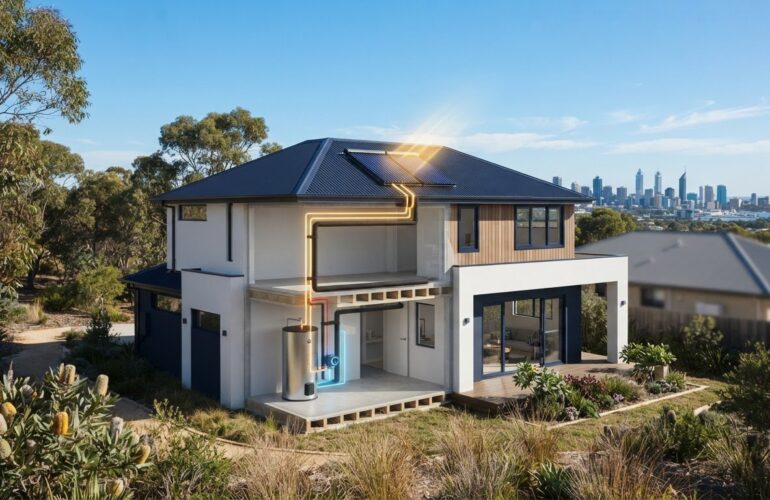
[…] open the unit, operate switches or touch wiring. If you see damage, keep clear and arrange a preventative solar maintenance service rather than attempting repairs […]