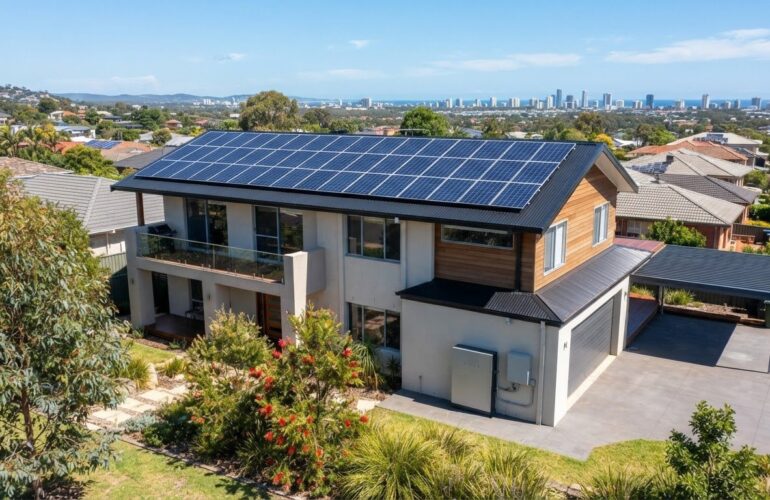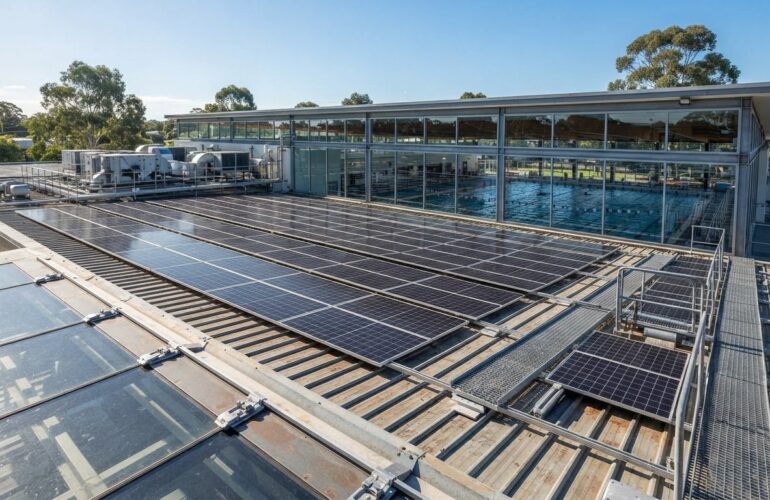
Waiting for a battery before installing solar can mean staying on the grid longer than you need to. Shade matters too: in severe cases, it can reduce a solar system’s performance by 40-80%, so panel placement deserves careful attention. These are two of the common solar installation mistakes to avoid when planning a system for your home.
Before investing in solar, assess the conditions on your property. Shade, roof condition and your household’s electricity use all affect system design, so a one-size-fits-all setup can miss what matters for your home or business.
This article explains how shade can affect panel output, what to consider about roof orientation and condition, and why you may not need to delay solar until you can add a battery. You’ll also learn how installation decisions can help prevent avoidable performance problems and support a system suited to your needs.
Key Takeaways
- Ask how panel, inverter and battery sizing will suit your electricity use now and as it changes.
- Shading can affect more than the panel directly covered, so system design should account for shade across the roof.
- Roof orientation, shade patterns and structural condition all matter when deciding where panels should go.
- You may be able to install solar first and add a battery later, rather than delaying solar while you wait.
1. How does shade affect the performance of solar panels?
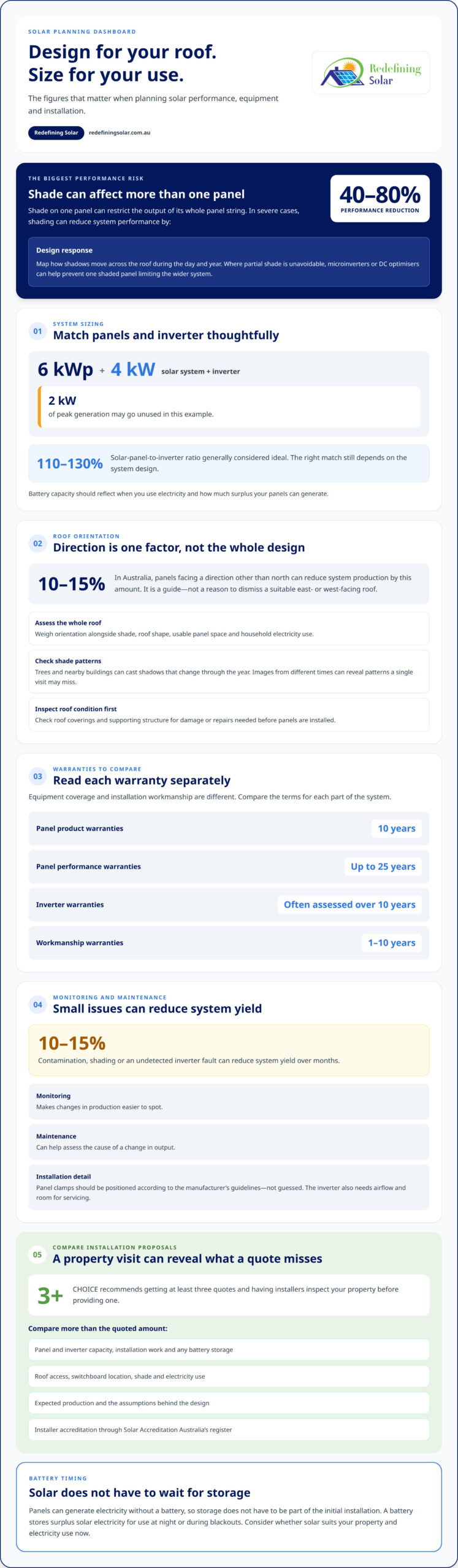
Shade on one panel can restrict the output of its whole panel string, not just that panel. In severe cases, shading can reduce system performance by 40-80%. Among the common solar installation mistakes to avoid is overlooking shade beyond the panel directly covered. A site assessment should consider how shadows move across the roof during the day and year. Where partial shade is unavoidable, microinverters or DC optimisers can help prevent one shaded panel limiting the wider system.
Panel, inverter and battery sizing should suit both the roof and your electricity use. A 6 kWp solar system paired with a 4 kW inverter may have 2 kW of peak generation unused. A solar-panel-to-inverter ratio of 110-130% is generally considered ideal, but the right match depends on the system design. Battery capacity should reflect when you use electricity and how much surplus your panels can generate.
Panel choice involves more than efficiency. Compare efficiency with roof space, expected shading and warranty terms. Panel product warranties are commonly 10 years, while performance warranties can extend to 25 years. Inverter warranties are often assessed against a 10-year period, while workmanship warranties can range from 1-10 years. Read each warranty separately because equipment coverage and installation workmanship are different.
Maintenance and monitoring can help reveal changes in output. Contamination, shading or an undetected inverter fault can reduce system yield by 10-15% over months. Monitoring makes production changes easier to spot, while maintenance can assess the cause. Mounting matters too: installers should position panel clamps according to the manufacturer’s guidelines, not guess the spacing.
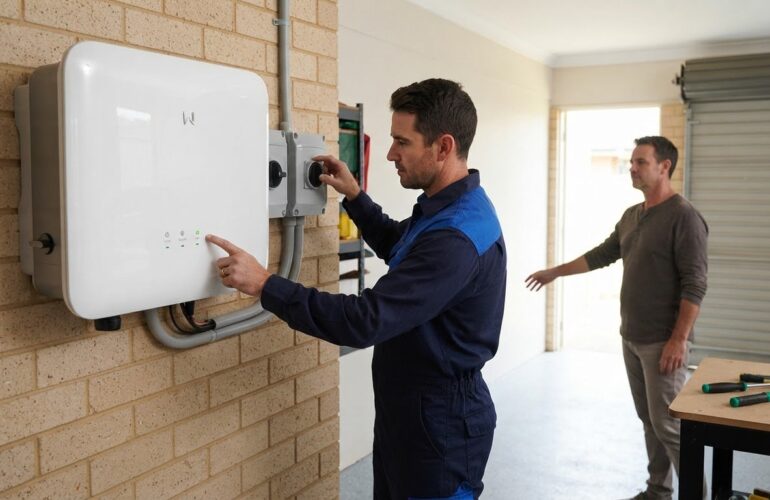
Overlooking access and ventilation is another common solar installation mistake to avoid. The inverter needs a suitable location with adequate airflow and room for servicing. Panel placement should also allow practical access, with mounting and clearances following the equipment instructions.
2. Solar panel installation mistakes: How do qualified installers help avoid them?
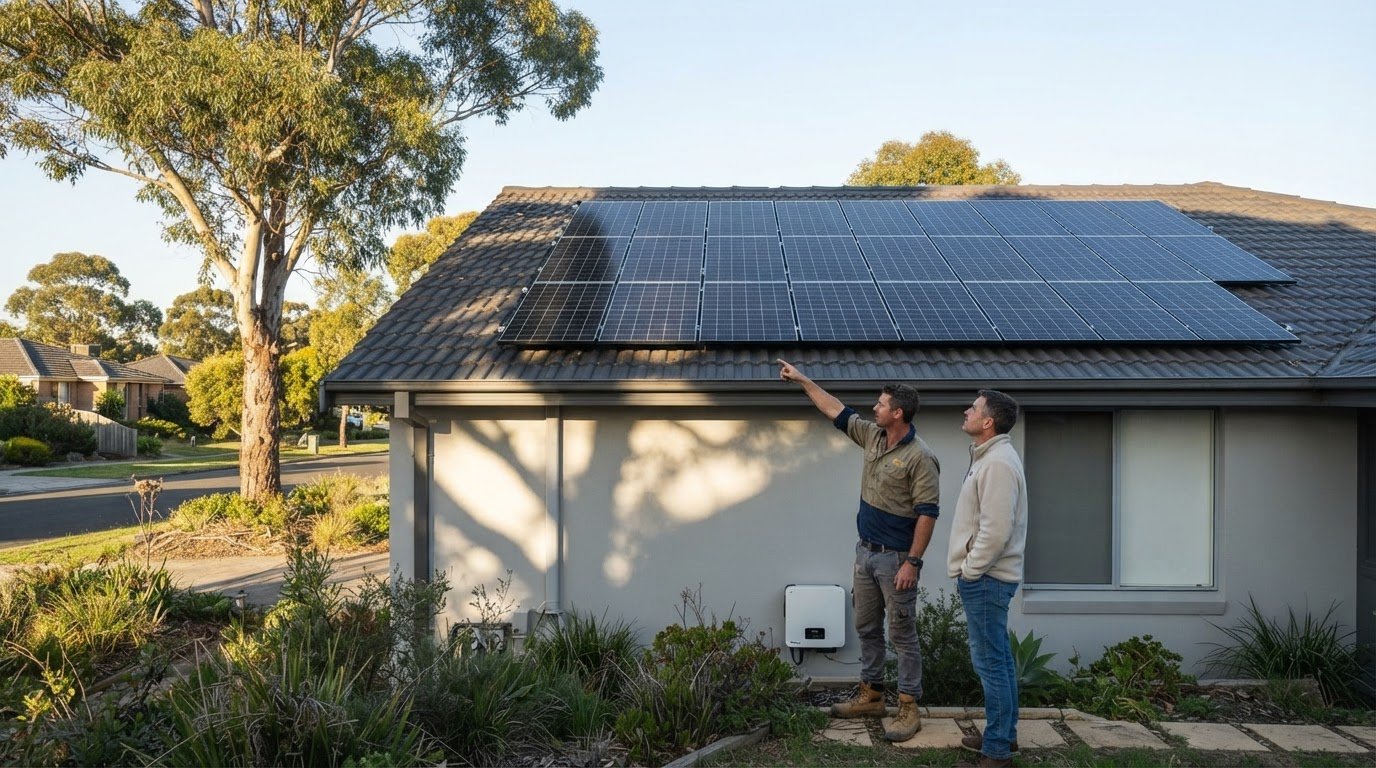
CHOICE recommends getting at least three quotes and having installers inspect your property before providing one. A site visit lets the installer assess roof access, switchboard location, shade and electricity use, rather than sizing a system from a brief description. Check installer accreditation through Solar Accreditation Australia’s register. These steps help you compare the proposed equipment and work, not just the quoted amount.
A low quote may leave out parts of a system that matter for your needs. Compare proposals for panel and inverter capacity, installation work and any battery storage. A system designed around daytime electricity use, for example, may not suit a household that uses more power after dark. Ask how the proposed setup accounts for your property and usage.
Good workmanship includes following equipment instructions. Cables should be UV-resistant and weatherproof, and wiring and connectors must be installed carefully to reduce electrical and fire risks. Mounting hardware needs to suit both the roof and the panels. Using unsuitable components or installation methods can affect safe operation and panel performance.
Ask for a clear explanation of expected production and the assumptions behind the system design. A qualified installer can account for site conditions and explain how equipment choices affect energy output. This makes it easier to weigh upfront price against the value of appropriate components and careful installation. For a system planned around your property, solar system installation is a practical next step.
3. Assessing roof orientation, shade and structural condition
A roof assessment should map direction, shade and usable panel space before the design is settled. In Australia, panels facing a direction other than north can reduce system production by 10-15%. That figure is a guide, not a reason to ignore a suitable east- or west-facing roof. The installer should weigh orientation alongside shade, roof shape and your household’s electricity use. Trees and nearby buildings can cast shadows that change through the year, so images taken at different times help reveal patterns a single visit may miss.
Roof condition matters as much as sunlight. During the site assessment, the installer should inspect the roof covering and supporting structure for damage or signs that repairs are needed before installation. Completing necessary repairs before panels go on helps prevent an existing problem from being concealed and avoids the disruption of removing panels later.
Mounting points and cable entries also need correct weatherproofing. Solar panel mounting and cable entries should use waterproof components and weatherproof seals; inadequate waterproofing can allow leaks and water damage. The installer should plan where each penetration goes, use suitable seals and avoid leaving vulnerable gaps around roof fittings. These details protect the roof while allowing electrical cabling to reach the system safely.
A thorough assessment should inform the final layout. If a nearby building shades part of the roof, for example, the design should account for that area rather than treat every roof section alike. Panel mounts and clamps should follow the manufacturer’s instructions, not improvised spacing. Careful placement, roof preparation and sealed cable routes help support reliable production and protect the roof.
4. Waiting for batteries before installing solar
Delaying solar while waiting for batteries to become more affordable means continuing to pay electricity bills in the meantime. Panels can generate electricity without a battery, so storage does not have to be part of the initial installation. The key question is whether solar suits your property and electricity use now, rather than whether you should delay the whole system for one component.
A battery stores surplus solar electricity for use at night or during blackouts. Without storage, panels can still supply electricity while generating, but cannot save daytime surplus for later. A household that uses more power after sunset may value storage differently from one that runs appliances during the day. Your usage pattern can help guide the decision.
A battery can be added later through AC coupling, which connects storage to an existing solar system. This lets you stage the investment by installing solar first and adding a battery when it better suits your needs. Timing can also depend on how much surplus your panels produce and whether your priority is night-time use or backup during an outage.
Planning for a future battery still matters. The initial design should account for how storage will connect, which inverter arrangement supports the plan and how the components will work together. A battery-ready system can make a later upgrade more straightforward, but the design must suit the panels and inverter. Discussing this before installation can help avoid components that do not fit your intended setup.
The clear takeaway: don’t assume you need to wait for a battery before generating solar energy. Plan a battery-ready solar system around your current needs and possible future storage.
Redefining Solar
Redefining Solar designs and installs residential and commercial solar systems around your property, electricity use and future plans. Whether you are considering battery-ready planning or sourcing panels, the system should suit the site rather than follow a one-size-fits-all design. A considered plan can account for roof condition, shade, components and the option of adding storage later. When you are ready to discuss your solar installation, contact Redefining Solar for a free solar assessment.
Plan for the way you’ll use power next
Energy needs can change as household routines, appliances and work patterns shift. Choose a system that suits your property now while allowing for future plans. The common solar installation mistakes to avoid are easier to prevent when the design discussion considers both your current priorities and the changes you may expect.
Redefining Solar supplies residential and commercial solar systems, along with battery-ready upgrades. These options can suit different sites and plans, whether you are considering solar for a home or business or want to plan for battery storage. A clear discussion can connect your priorities with a system design suited to your circumstances.
Take the next step at your own pace. Contact Redefining Solar for advice about planning a solar system around your property and future needs. A well-considered decision starts with a conversation, and you can move forward with a clearer sense of what matters to you.
Frequently Asked Questions
How does shade affect the performance of solar panels?
Shade can reduce a panel’s output and affect other panels connected in the same string. A chimney shadow crossing a module in the late afternoon, for example, may affect production beyond the shaded area. An installer can assess how shadows move across the roof and account for them in the design. After installation, monitoring can help identify production changes that may need attention.
In which direction should the solar panels be oriented?
In Australia, north-facing panels are often a starting point for solar design, but the right layout depends on your roof and electricity use. An east- or west-facing roof may still suit your needs, particularly if its production better matches when you use power. The installer should assess usable roof areas, shade and orientation together, rather than choose a direction in isolation.
Solar panel installation mistakes: How do qualified installers help avoid them?
A qualified installer can help prevent design and workmanship errors by assessing the property, matching system components and following manufacturers’ instructions. When assessing an installer, check for Solar Accreditation Australia accreditation. At handover, ask how to read the system’s monitoring information and whom to contact if production changes. This helps you understand how the system is operating.
What can inadequate fastening cause in the long term?
Inadequate fastening can leave panels or mounting components less secure and may lead to damage or reduced service life. A German study cited in the research found that an undersized solar mounting structure can reduce module service life by 15-20%. Correct mounting design and clamp placement matter: components should suit the roof and be installed according to the panel manufacturer’s instructions.
What standards must be met?
Solar equipment and installation must meet the applicable Australian requirements for the products and electrical work. The Clean Energy Council maintains a register of solar panels, inverters and batteries that meet Australian standards. Solar Accreditation Australia handles installer accreditation. These are separate checks: one covers eligible equipment, the other installer accreditation.
When is an inverter too small or too large?
An inverter may be too small if its capacity limits the solar energy it can convert during periods of strong generation. A panel array that is substantially oversized for the inverter can also create a mismatch. A solar-panel-to-inverter ratio of 110-130% is generally considered ideal, but system design should account for panel output, roof conditions and the inverter’s operating limits.