Energy independence doesn’t have to mean disconnecting your home from the grid. For Australian households, achieving energy independence with solar means generating electricity with rooftop panels and relying less on grid power, not expecting solar to meet every need at every hour. Panels generate electricity during daylight; a battery can store surplus for later, while the grid remains available when solar generation and stored energy don’t meet demand.
Wanting more control over your power use and less reliance on grid electricity is understandable. This guide explains what energy independence means in practice, how panels and batteries work together, and how smart grids fit into a more flexible energy system. It also covers practical limits on how self-reliant a solar-powered home can be, including changing weather, storage capacity and grid connection. Understanding these factors helps you identify which parts of a solar system support your goals and why the design should reflect your household’s electricity use.
Key Takeaways
- Separate energy independence from going completely off-grid to set a realistic goal for your property.
- Consider battery capacity, lifespan and system compatibility when weighing how to use stored solar power.
- Understand how local generation can support energy security and reduce reliance on fossil fuels.
- See how smart grids can help coordinate solar power while weather and outages still affect supply.
What is solar energy?
Solar energy is electricity generated from sunlight by photovoltaic panels. In Australia, panels produce power during daylight, helping households use less electricity from the grid. Using this locally generated power can also reduce reliance on fossil fuels and a household’s climate footprint. The impact depends on household demand and how much solar power is used as it is generated.
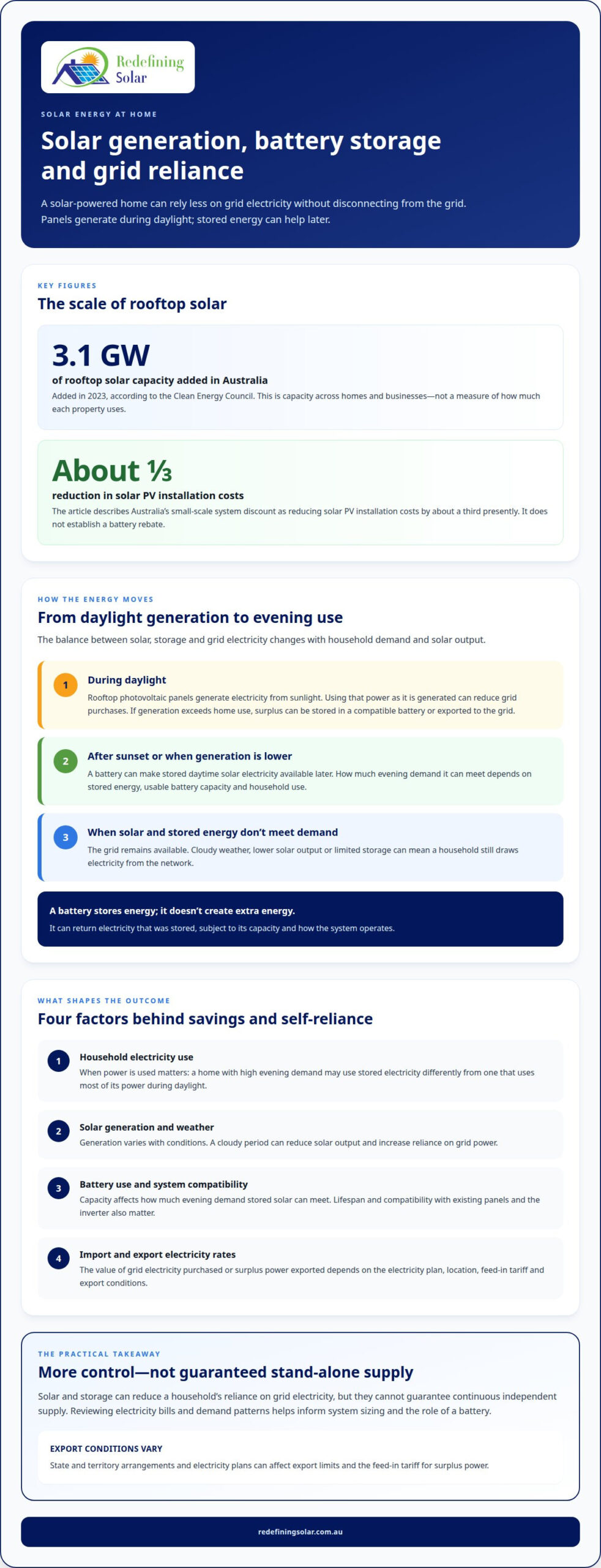
Australia added 3.1 GW of rooftop solar capacity in 2023, according to the Clean Energy Council. That capacity generates electricity across homes and businesses, but it doesn’t mean every property uses all its solar power. For example, a household may generate most electricity while residents are out, then draw power from the grid in the evening.
Using solar power as it is generated can reduce grid purchases and electricity bills. A battery can store excess daytime generation for later use, while exported electricity may earn a credit under your electricity plan. Savings depend on household consumption, solar generation, battery use, and the rates for imported and exported electricity.
State and territory arrangements, as well as electricity plans, can affect export limits and the feed-in tariff for surplus power. The applicable rate and export conditions depend on your location and electricity arrangement, which can affect the value of sending power to the grid.
How much can Australian households save with solar and batteries? There’s no single saving that applies to every home. It depends on how much electricity the system generates, how much the household uses directly or stores, and the relevant import and export rates. A battery can shift some solar use into the evening, reducing the need to buy grid electricity at that time.
For people seeking greater self-reliance, the aim is usually to reduce grid dependence, not assume the home can run independently at all times. Reviewing electricity bills reveals usage patterns and peak demand, which help inform system sizing. Solar generation and storage can reduce grid purchases and support lower household emissions.
Solar battery storage
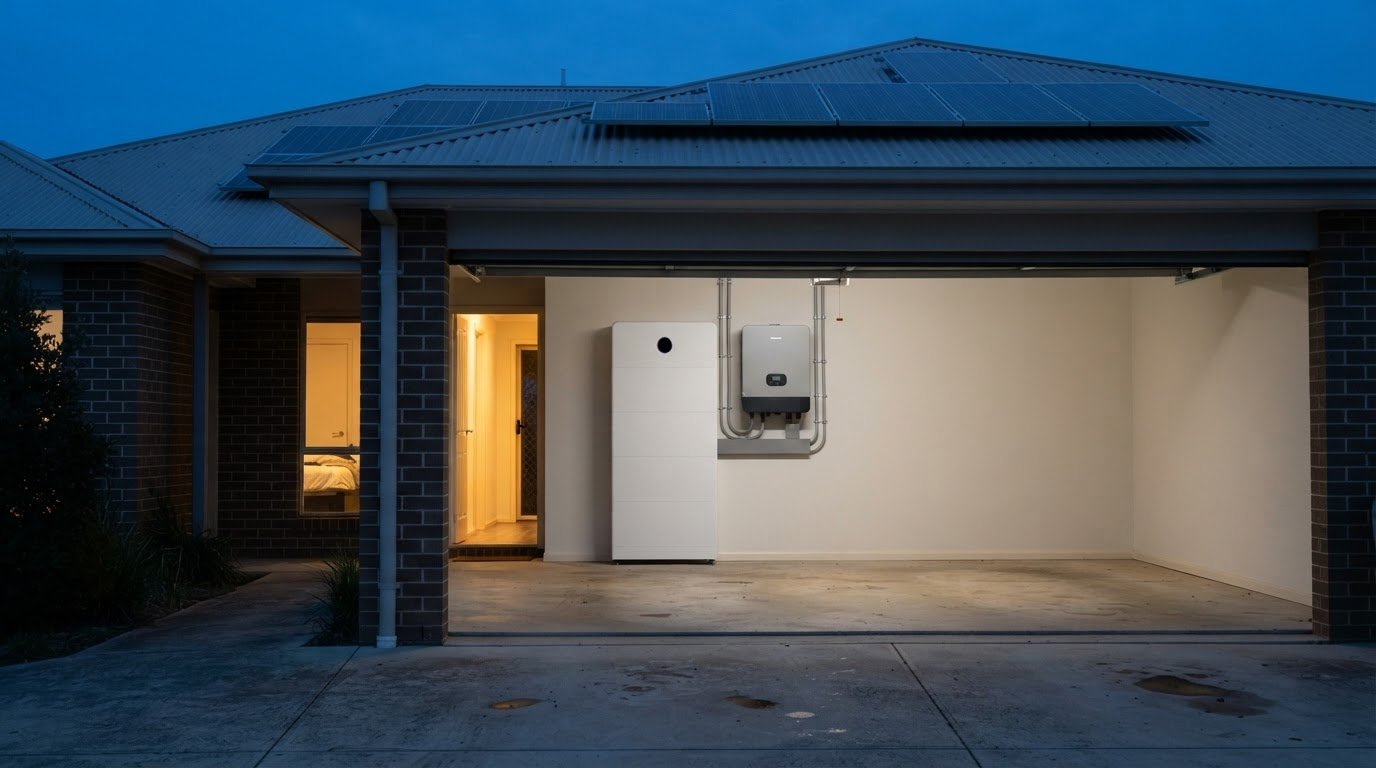
A battery stores surplus solar electricity for use when panels generate less, such as after sunset. Good planning matches the battery’s usable capacity and system compatibility to your household’s demand.
Battery Capacity and System Compatibility
Battery capacity describes how much electricity a battery can store, while lifespan describes how long it can provide useful service. Both matter when investing in storage: capacity affects how much evening demand stored solar power can meet, and lifespan helps you assess how long the system may remain useful. A professional can assess these factors alongside your existing panels and inverter to determine compatibility.
Don’t size a battery based on panel output alone. A home with high evening demand may use stored electricity differently from one that uses most of its power during daylight. A professional can review your electricity bills and demand patterns, then consider battery capacity, lifespan and the existing solar system together. This helps avoid choosing storage that doesn’t suit how your household uses power.
Storing Daytime Solar Electricity
During sunny periods, panels can generate more electricity than a home is using. A compatible battery stores that excess instead of sending it to the grid, making it available after sunset or during cloudy weather, when solar generation is lower.
Storage can reduce the need to buy grid electricity when household demand continues into the evening. But a battery doesn’t create extra energy: it can only return electricity that was stored, subject to its capacity and system operation. A professional design considers when your home uses power, so the battery’s role is clear and doesn’t rely on an assumption of uninterrupted solar supply.
Professional Solar and Battery System Installation
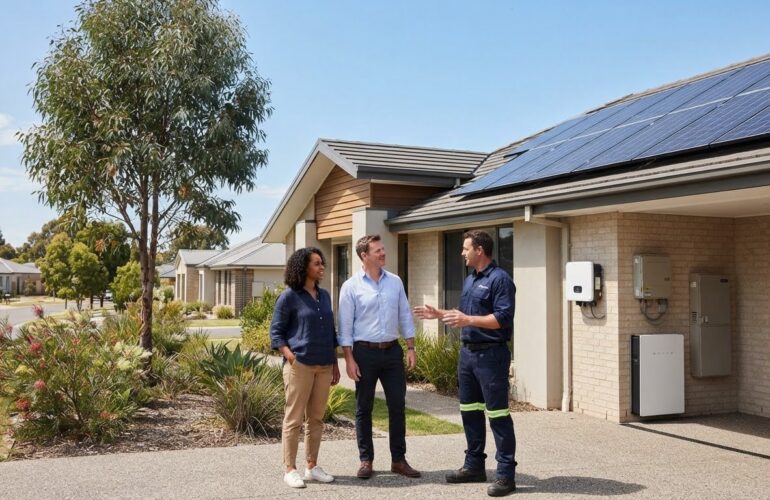
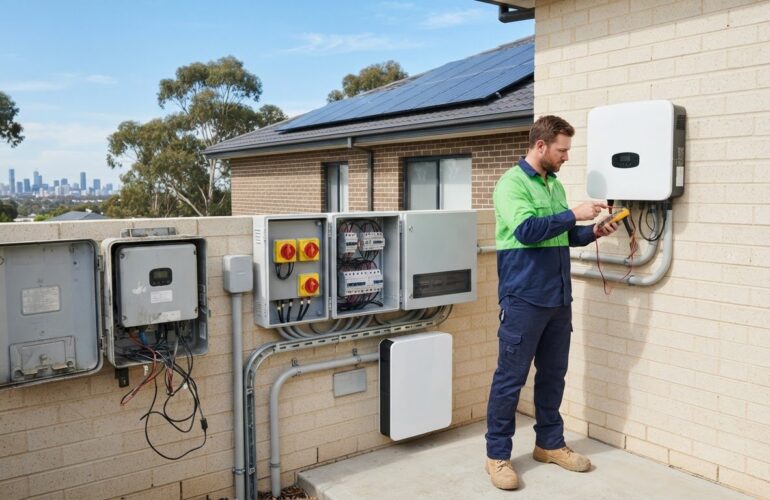
A professional first reviews household bills, demand and the existing electrical setup, then designs a compatible system of panels, inverter and battery. The installer plans the equipment layout, completes the installation and checks that the components work together. Discussing how you use electricity can prevent common planning mistakes, such as overlooking evening demand or choosing a battery that doesn’t suit the inverter.
Australia’s small-scale system discount reduces solar PV installation costs by about a third presently; it doesn’t establish a battery rebate. The exact value of storage still depends on your electricity use and system design. For a planned installation or battery-ready upgrade, explore solar and battery solutions.
What Is Energy Independence?
For a household, achieving energy independence with solar means having more control over where electricity comes from. It doesn’t require disconnecting from the grid. In Australia, a home can generate renewable electricity locally and draw less from the wider network, while keeping grid access for periods when solar output is low. That balance can strengthen energy security by reducing dependence on a single source of supply.
Solar’s environmental benefit depends partly on what its generation replaces. When a household uses solar power instead of grid electricity generated from fossil fuels, it can reduce greenhouse gas emissions. Using more electricity as it is generated at home, or storing surplus for later, can support that shift. Renewable energy also contributes to growth in the renewable sector, linking household choices with broader changes in energy supply.
Energy independence has limits. Weather variability can reduce solar generation, and storage capacity affects how much excess electricity is available later. Grid integration matters too, because homes remain connected to a shared electricity system. For example, a cloudy period may increase a household’s reliance on grid power. A solar system can improve self-reliance, but it can’t guarantee a continuous, stand-alone supply.
To assess how much solar capacity a home needs, a professional analyses electricity bills to understand average usage and peak demand times. These patterns help match generation and storage to the way the household uses electricity, rather than sizing the system based on roof space alone. A home that uses more power after sunset, for example, has different needs from one with high daytime demand. This assessment connects household usage with a practical level of grid reliance.
Solar power storage and smart grids
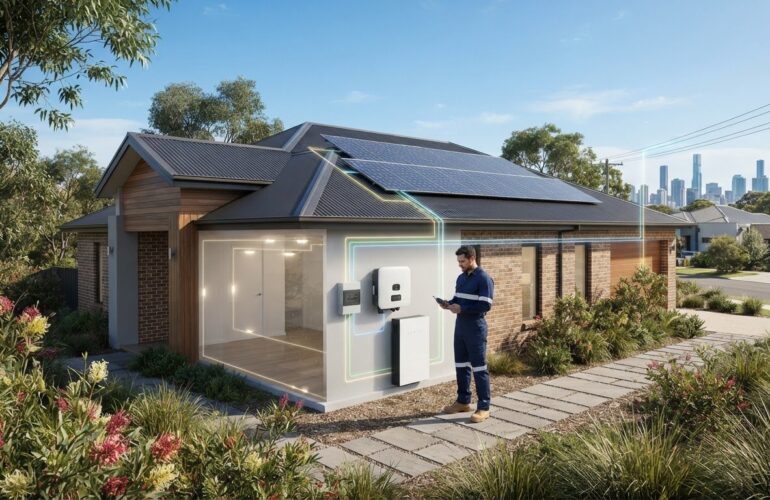
Solar panels generate electricity from sunlight, but output changes with daylight and weather. Storage can hold surplus power for later use, while a smart grid helps balance electricity supply and demand across connected homes and energy sources. For example, stored household solar can be used when panels aren’t generating, reducing reliance on traditional sources that use fossil fuels. These technologies can support a gradual shift towards renewable electricity without removing the grid from the system.
Solar panels paired with battery storage can provide power to a home during a grid outage. That can matter during Australian bushfires and storms, which can disrupt electricity supply. The available power depends on stored energy, solar generation and household demand. For instance, running essential appliances uses stored energy differently from trying to power every appliance as usual. A grid-connected solar system without battery storage shouldn’t be treated as automatic backup.
Smart grids help coordinate changing electricity supply from sources such as rooftop solar, stored energy and conventional generation. This can make the wider network more flexible as solar output varies through the day. Grid connection remains useful because weather variability, storage limitations and grid integration all affect how self-reliant a home can be. A battery shifts some solar electricity to another time, but can’t remove every supply constraint.
In Australia, the practical value of storage and grid coordination depends on how a property uses electricity and what it needs during an outage. A household may prioritise essential appliances, while a business may need to consider different operating demands. Planning for those needs helps clarify the role of solar panels, storage and grid supply together. Explore solar and battery system options to consider how storage could fit your property and support power availability during an outage.
Redefining Solar
Redefining Solar helps turn your goal of greater energy independence into a solar plan suited to your property and electricity use. If you’re weighing how much to rely on solar, whether to include battery storage or how to prepare for a battery later, a tailored system design is a practical next step.
Residential Solar Systems and Commercial Solar Systems address different property needs, while Battery Ready & Upgrades can support plans to add storage. Solar Panel Sales / Supply Only is an option when you need panels supplied. The focus is on matching the system to your priorities, rather than assuming every property needs the same setup.
If you’re ready to discuss your solar plans, contact Redefining Solar.
Shape a solar plan around your priorities
Your energy goals may shift as household routines, appliances and electricity needs change. Decide what matters most over time: using more of your own generation, preparing for storage or planning for power needs during an outage. Clear priorities give a solar design conversation a practical starting point.
Achieving energy independence with solar is best treated as a direction, not an all-or-nothing switch. The right balance of solar generation, storage and grid supply depends on how your property uses electricity and what you want the system to do. A professional discussion can turn those priorities into a considered plan for your home or business.
When you’re ready to explore that next step, contact Redefining Solar to talk through your solar goals. Start with the outcome you want, and take the conversation from there.
Frequently Asked Questions
What About Batteries?
Batteries help households use more of their own solar electricity outside daylight hours. For example, a home that uses power for cooking and lighting after sunset can draw on stored solar energy rather than relying solely on grid electricity. Battery storage is most useful when its capacity and operation suit household demand, rather than being added automatically to every solar system.
Can a home with solar and batteries go completely off-grid in Australia?
A home can be designed to operate off-grid, but solar panels and a battery alone don’t guarantee a reliable supply in every condition. The design needs to account for household demand, changing solar generation and available storage. For example, extended cloudy weather can reduce generation while the home continues using electricity. Grid connection can provide another supply source when the system’s own energy is insufficient.
How do solar batteries perform during blackouts and extreme weather?
A solar and battery system can provide power during a blackout when it’s configured to supply the home during outages. Available electricity depends on stored energy, solar generation and household use. During storms or bushfires, weather may also affect solar output or disrupt supply. Knowing which appliances the system is intended to support helps set practical expectations for an outage.
What are the risks, maintenance needs, and lifespan of solar panels and batteries?
Weather-related changes in generation, storage limits and system integration can affect how much energy is available. Redefining Solar lists a system lifespan of 25-30 years, panel warranties of 20-25 years and inverter warranties of 5-10 years. Battery lifespan depends on the battery and its use. Regular system maintenance helps protect manufacturer warranties and can identify performance issues for attention.
How much solar capacity does an Australian home need for energy independence?
There is no single capacity that suits every home. A professional can analyse your electricity bills, average usage and peak demand times, then match solar generation and storage to your household’s needs. Weather and battery capacity still limit complete energy independence.