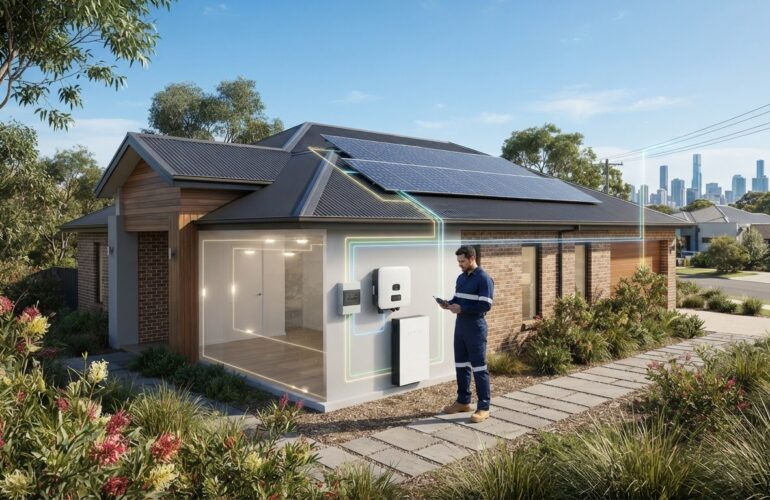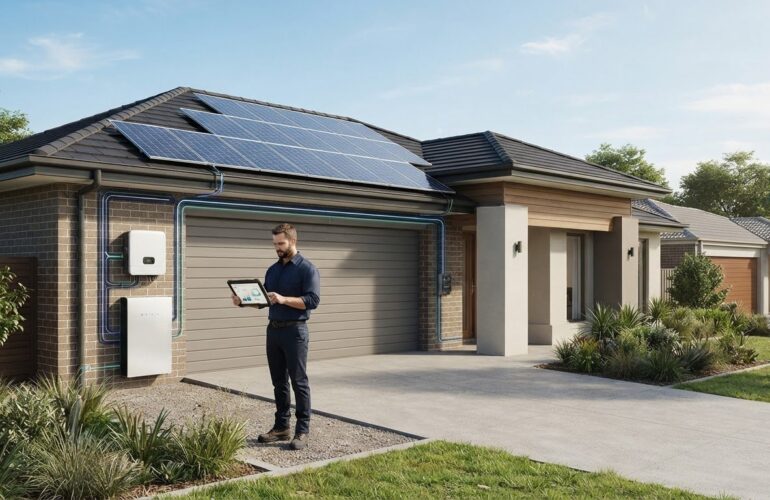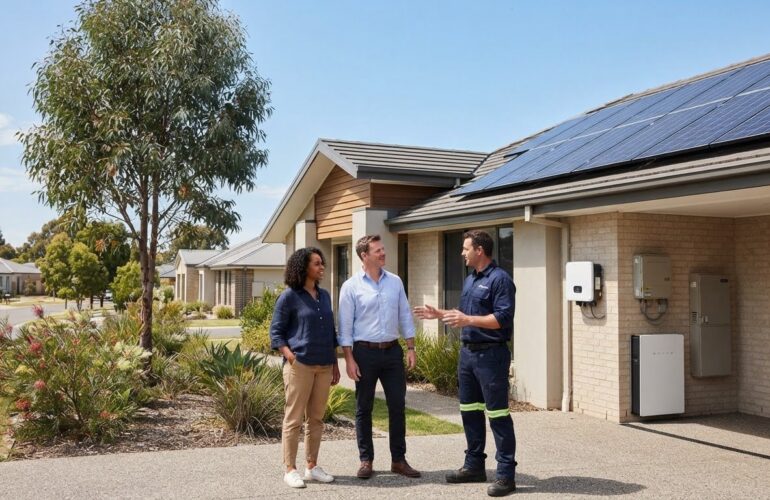
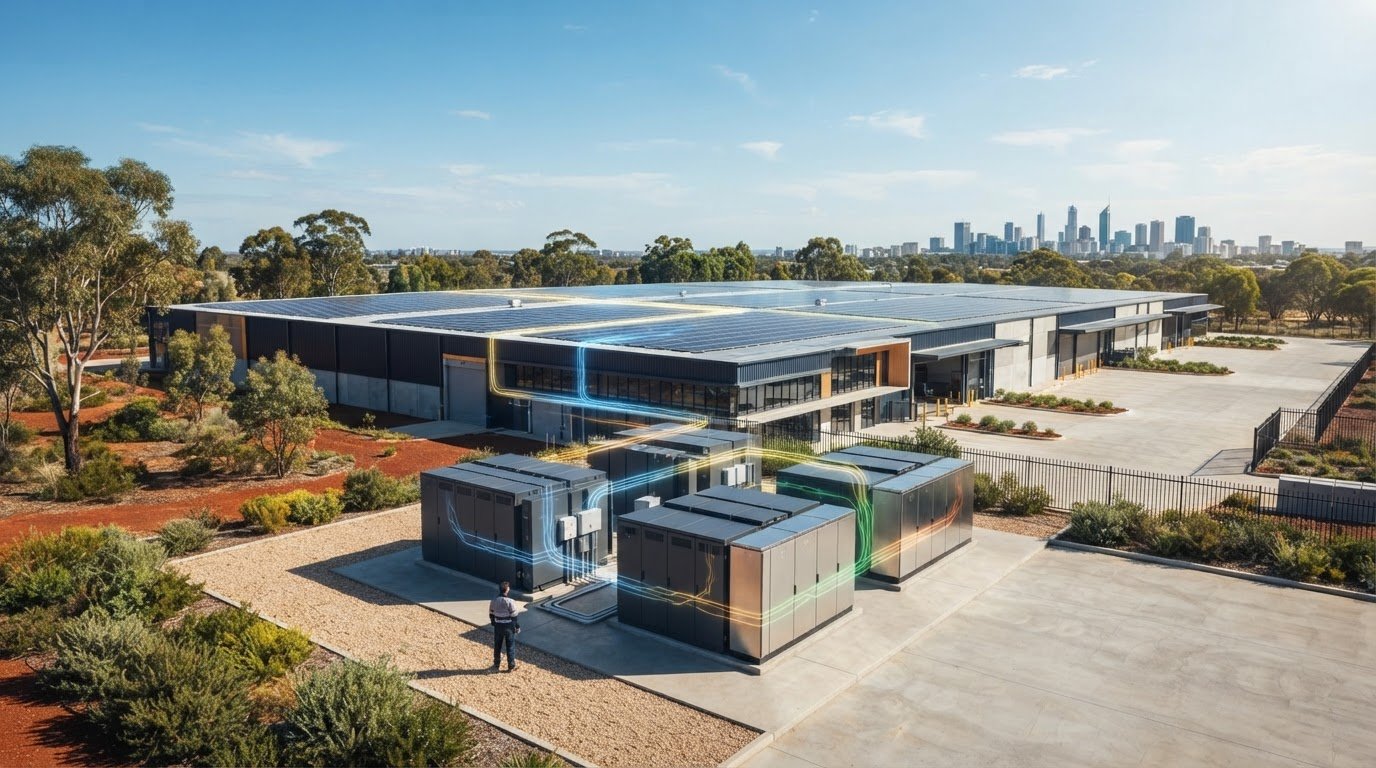
The finance option with the smallest upfront payment may not be the best fit for your business. With commercial solar battery storage, the value depends on more than the equipment: your energy use, tariff, operating hours and ability to shift demand all affect the case for investing.
It’s reasonable to be cautious about upfront costs and cash flow, particularly when tariffs or business needs could change. A battery can store solar power for later use or help manage periods of higher demand, but potential savings need to be weighed against your site’s energy data and the terms of any finance arrangement.
This guide compares common funding approaches, including buying outright, asset finance, leasing and third-party ownership options. You’ll learn how ownership, payment obligations and day-to-day responsibilities can differ, and what information to gather before requesting proposals. We’ll also cover questions to ask about system performance, tariffs and future energy needs, so you can decide whether storage suits your priorities before choosing a finance structure.
Key Takeaways
- See how commercial solar battery storage can hold surplus solar power for use when your panels generate less.
- Compare purchase, business lending, leasing and power purchase agreements by ownership, payments, maintenance duties and contract terms.
- Separate contracted payments from estimated savings, which can change as your operations and electricity tariffs change.
- Use bills, interval data, site loads, solar output and tariff details to check whether a proposal reflects how your business uses energy.
- Prepare a project brief so proposals spell out the equipment, installation assumptions, service responsibilities and agreement terms.
What commercial solar battery storage does for an Australian business
Commercial battery storage stores electricity and releases it later to help meet a business’s energy needs. Paired with rooftop solar, it can capture surplus generation for use when panels produce less, such as later in the day. The technology is part of the broader category of large-scale energy storage, although a business system is sized and operated for its own site.
That flexibility may help manage electricity use and bills, but it doesn’t guarantee savings. Results depend on your solar output, consumption patterns, system design and electricity tariff. Understanding how those factors fit together is a useful first step before comparing ways to fund a system.
How a commercial battery works alongside rooftop solar
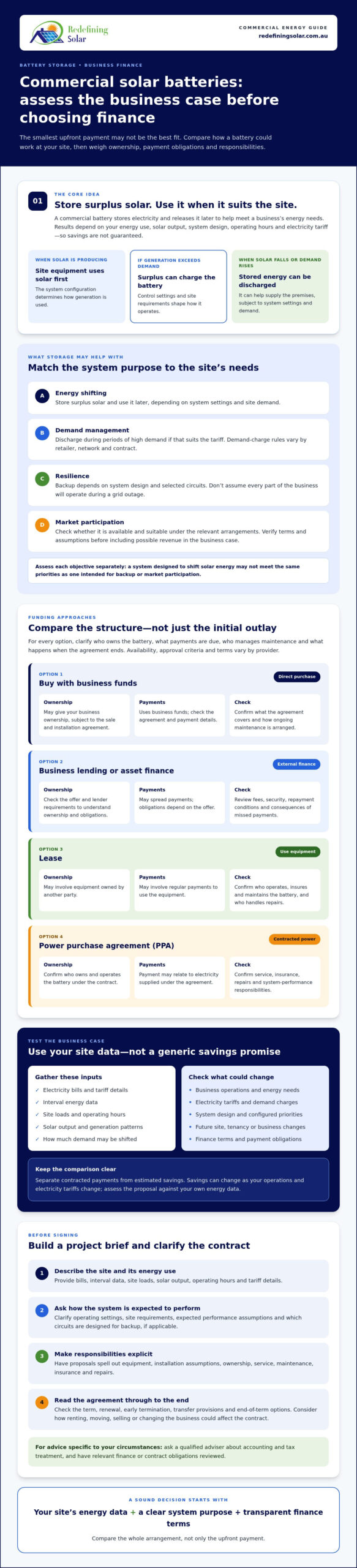
Solar generation is used by site equipment first, according to the system’s configuration. If generation exceeds demand, the surplus can charge the battery. When solar output falls or site demand rises, the battery can discharge stored energy to help supply the premises. A control system follows its configured operating priorities and site requirements, so ask how the proposed settings are expected to work during your normal operating hours.
Backup is a separate consideration. Whether a battery can supply power during a grid outage depends on the system design and which circuits are selected. Don’t assume storage will keep every part of a business operating during an outage. Confirm which equipment the system is designed to support.
Which business energy problems storage may help address
Look at when you use energy, not just the total on your bill. A site with solar surplus during the day and demand later may have an opportunity to shift some energy use. A business that operates mainly during solar generation hours may have less surplus to store. Your operating schedule, site loads and solar output all matter.
Storage may also be considered for distinct purposes:
- Energy shifting: store surplus solar and use it later, subject to system settings and site demand.
- Demand management: discharge during periods of high demand if this suits the tariff. Demand charges are tariff features, and their application varies by retailer, network and contract.
- Resilience: provide backup for selected circuits where the system is designed to do so.
- Market participation: check whether participation is available and suitable under the relevant arrangements. Don’t include possible revenue in your business case without checking the terms and assumptions.
Assess these objectives separately. A system intended to shift solar energy may not meet the same priorities as one designed for backup or market participation.
Commercial solar battery financing options and how they work
Once you understand the site’s energy needs, compare finance structures by more than the initial cash outlay. Ask who owns the battery, what payments are due, who handles maintenance and what happens when the agreement ends. Commercial solar battery storage may be funded through business funds, external finance, a lease or a power purchase agreement (PPA), where available. Approval criteria, product availability and contract terms vary between providers, so check the details before relying on any option.
Buying with business funds or external finance
Paying directly with business funds may give your business ownership, subject to the sale and installation agreement. Check what that agreement covers and how ongoing maintenance is arranged. Business lending or asset finance may spread payments, but the lender’s requirements and your obligations depend on the offer. Review fees, security, repayment conditions and the consequences of missed payments. Ask your accountant or financial adviser about the accounting and tax treatment for your circumstances.
Leasing and power purchase agreements
A lease and a PPA aren’t the same arrangement. A lease may involve regular payments to use equipment owned by another party. Under a PPA, payment may relate to the electricity supplied under the agreement. The specific structure depends on the provider and contract. Confirm who owns, operates, insures and maintains the battery, and who is responsible for repairs or system performance.
Check the agreement’s term, renewal process, early termination conditions, transfer provisions and end-of-term options. If you rent your premises or expect business changes, clarify how those could affect the contract. Have a qualified adviser review obligations that could continue if you sell, move or change how the site operates.
Use this table as a starting point, not a substitute for reviewing an offer. Responsibilities and terms can differ, so ask each provider to set them out in writing.
| Approach | Ownership and payments | Maintenance and contract points |
|---|---|---|
| Business funds | Your business may own the system after purchase, with payment made from available funds. | Confirm what the sale and installation agreement covers and how ongoing maintenance is handled. |
| Business lending or asset finance | Ownership and repayment obligations depend on the finance structure and lender’s terms. | Check fees, security, repayment conditions and maintenance responsibilities. |
| Lease | The provider or lessor may retain ownership while your business makes payments under the lease. | Confirm who maintains and insures the system, and review renewal, transfer and end-of-term clauses. |
| PPA | Payments may be linked to electricity supplied; asset ownership depends on the agreement. | Check operating and maintenance duties, contract length, pricing terms and exit conditions. |
Redefining Solar supplies and installs commercial solar systems and batteries, but doesn’t provide finance products. A site assessment can help clarify system requirements before you compare funding offers. Review commercial solar and battery systems as part of your planning.
Compare commercial battery finance by ownership, risk and flexibility
The finance structure affects more than cash flow. It can determine who controls the battery, who is responsible for keeping it operating and how easily you can respond if your business changes. Compare offers using the same questions rather than assuming one structure suits every site.
For each proposal, record who owns the equipment, what payments are contractually due, which party manages maintenance and repairs, and what options you have if the agreement needs to change. Assess projected savings separately. They may change if your operating hours, energy use or electricity tariff changes, while contracted payments may still be due. Ask what assumptions support each forecast and what happens if actual results differ.
- Ownership: Who owns the battery during the agreement, and who owns it afterwards?
- Cash flow and obligations: Which payments are fixed, variable or conditional, and what other costs or responsibilities sit with your business?
- Care and performance: Who monitors, maintains, insures and repairs the equipment? How do service arrangements and warranties fit with the finance contract?
- Flexibility: Can the system settings or agreement change if your business needs shift?
Virtual power plant (VPP) participation may be offered as part of some arrangements, but don’t treat it as guaranteed income or an automatic feature of commercial solar battery storage. Eligibility, participation requirements, control of the battery and payment arrangements depend on the programme and contract. Check the current conditions with the provider, including whether participation could affect how much stored energy is available to your site.
Who owns and looks after the battery?
Ownership can affect your control of the asset and your responsibilities over time. Confirm who owns the battery during the agreement, whether ownership transfers at the end, and who is accountable for monitoring, maintenance, repairs, insurance and system performance. Ask how equipment warranties relate to the finance contract, including who contacts the supplier if an issue arises. Get responsibilities in writing rather than relying on a general assurance.
How flexible is the agreement if your business changes?
Think through likely changes before signing. If you sell or lease the property, expand the site or change operating hours, can the agreement be transferred or adjusted? Review early termination, renewal and equipment removal provisions. Ask whether control settings or VPP participation can change as your energy needs evolve, and whether doing so affects payments or other terms.
There’s no single best finance structure. Compare written obligations with your business’s cash-flow priorities, appetite for responsibility and likely plans for the site. A site assessment can help define what the battery needs to do before you weigh those trade-offs.
Test the commercial solar battery business case before signing
Before accepting a proposal, check whether its assumptions reflect how your site actually uses electricity. A useful assessment connects your bills, interval data, solar output, tariff and operating schedule to the battery’s expected operation. Use this review process to identify gaps and ask for clearer evidence.
- Gather bills and interval data. Collect recent electricity bills and time-based consumption data, where available. Note the tariff details shown and ask your retailer or network provider to clarify anything you’re unsure about.
- Map site loads and operating hours. Record when the site is busy, which equipment uses the most energy and whether operations vary by day or season. Identify critical loads, planned changes and any backup requirements.
- Check existing or proposed solar output. Use generation records if you already have solar. For a new system, ask which solar-output assumptions the proposal uses and how they relate to your site.
- Review the tariff and proposal assumptions. Ask for the assumed import and export rates, demand charges and battery operating schedule. Check how the battery’s capacity, usable energy and operating limits are documented, and what degradation assumptions are used over time.
- Test the savings against your patterns. Ask the proponent to show how estimated savings align with your actual consumption data, solar generation and operating hours. Request alternative scenarios if usage, tariffs or export arrangements change.
Gather the site data needed for a credible assessment
Bring electricity bills, interval consumption data, operating hours and solar generation records together. Note upcoming changes such as new equipment, altered shifts or a planned site expansion, as these could affect future demand. If backup matters, list the circuits or equipment you need to keep operating and ask how the proposed design would address them.
Check the proposal’s assumptions and sensitivities
Ask the proponent to explain how energy prices, demand charges, solar output and battery operation feed into the estimate. A useful proposal should show what changes if the battery charges or discharges differently, or if your site uses more or less energy than expected. Treat incentives, rebates and possible market revenue as items to verify against current eligibility and contract terms, not as certain income.
Projected savings are estimates, not guaranteed outcomes, because site operations, solar output and tariffs can change. Compare the assumptions with your records and ask for revised calculations if they don’t match your likely operating pattern.
A site assessment can help clarify system requirements before you decide whether storage fits your business. To discuss a commercial battery system, share your site data and the questions you want a proposal to answer.
Plan the next steps for commercial solar battery storage
Turn your assessment into a short project brief before requesting proposals. Include bills and interval data, site operating hours, solar generation records, energy objectives, critical loads and planned changes to the premises. Note constraints such as backup needs, available space or a preferred finance structure. Giving providers the same requirements makes their proposals easier to compare.
Assess the technical design and who is responsible for each part of the arrangement alongside the payment structure. A compelling savings estimate can’t make up for unclear equipment scope, service duties or contract terms.
Questions to ask before accepting a proposal
Ask each proponent to state clearly what’s included and excluded. Check whether the proposal covers installation and commissioning, and what ongoing servicing or support is available. Request documents explaining performance assumptions, warranties, battery capacity, usable energy and operating limits. Make sure the system design reflects your site’s requirements, including any backup needs.
Get responsibilities in writing. Who monitors the system, arranges maintenance and responds to faults? What happens if equipment needs repair, and how do service arrangements interact with warranties? If finance or a third-party agreement is involved, clarify how changes to the system, operating settings or contract are handled. Review renewal, transfer, termination and end-of-term provisions before committing.
Move from finance comparison to a site assessment
A site assessment by a qualified solar professional can help confirm system requirements before you choose equipment or an agreement. If you’re adding storage to an existing solar system, the battery-ready solar upgrade guide offers useful background.
Redefining Solar supplies and installs commercial solar systems and battery storage, but doesn’t provide finance products. A site-specific assessment can help you understand the technical scope to take to finance providers and compare proposals on a like-for-like basis.
Discuss your commercial solar and battery requirements with Redefining Solar by sharing your site, energy use and project priorities. You don’t need to settle on a finance structure before understanding what the system needs to do.
Make your next decision with confidence
Commercial solar battery storage may help your business use more of its solar generation or manage energy demand, but the right fit depends on your site, tariffs and operating patterns. Start with reliable energy data, then compare finance options by ownership, payment obligations, maintenance responsibilities and flexibility. Treat savings forecasts as estimates and check the assumptions behind them before signing.
A clear site assessment can help you understand the system your business needs before choosing how to fund it. Redefining Solar is Australian-owned and operated, directed by a licensed electrician, and supplies and installs commercial solar and battery systems, with maintenance and repair services available. It doesn’t provide finance products, so you can take a defined system scope to your finance provider for consideration.
To discuss your commercial solar and battery requirements, talk with Redefining Solar.
Frequently Asked Questions
What are the main ways to finance commercial solar battery storage?
Businesses can compare direct purchase of commercial solar battery storage, business lending or asset finance, leasing and power purchase agreements (PPAs), where available. These options differ in who owns the battery, when and how payments are made, approval conditions and maintenance responsibilities. Review written offers side by side, including all obligations, and seek professional financial or legal advice before committing, as contract details can affect cash flow and control of the asset.
Is commercial solar battery storage worth it for a business?
It may suit a business, but the case depends on your site’s load profile, solar generation, tariffs, operating hours and system design. A battery may support energy shifting, demand management or backup objectives, depending on how it’s configured. Savings and returns aren’t guaranteed. Review interval data and ask the proponent to test its assumptions against realistic operating scenarios, including changes to energy use or tariffs, before deciding whether storage fits your priorities.
How do I compare a battery lease with buying a commercial battery?
Compare who owns the battery, the upfront cash required, ongoing payments, maintenance duties, warranties and what happens at the end of the agreement. Buying may give your business ownership, subject to the sale terms, while a lease may leave ownership with another party. Contract details vary, and a lease doesn’t automatically mean lower total costs. Check sale, transfer, early termination, renewal and equipment removal conditions before weighing up the options.
Can a business use a power purchase agreement for battery storage?
A power purchase agreement may be available for some commercial energy projects, but its structure and availability depend on the provider and site. The agreement can affect asset ownership, energy payments, maintenance responsibilities and contract duration. Confirm in writing whether battery storage is included, how charges are calculated and who operates and maintains the system. Review renewal, termination, transfer and end-of-agreement provisions before deciding whether the arrangement suits your business.
How much can a commercial battery reduce electricity bills?
There’s no reliable generic saving figure for every business. The result depends on your consumption pattern, solar generation, tariff structure, battery operation and agreement terms. Ask the provider to show the assumptions behind its estimate, then compare projected outcomes with your actual bills and interval data. Request scenarios that account for changed tariffs, operating hours or energy use, so you can see how sensitive the estimate is to your circumstances.
What should a business check before signing a commercial battery finance agreement?
Review ownership, total payment obligations, fees, maintenance, insurance, warranties, performance assumptions and end-of-term conditions. Check what happens if the property is sold, your business moves or your energy needs change, including any transfer or early termination requirements. Ask for incentive or revenue claims to be verified against current eligibility and contract terms. Have relevant financial, legal and technical advisers review the agreement before you commit.
Can commercial battery storage provide backup power during a blackout?
Backup power isn’t automatic with every battery installation. It depends on the system design, compatible equipment, configured backup circuits and the loads the system is intended to support. Ask the installer to specify which equipment or circuits will remain powered and the assumptions behind the stated backup duration. Clarify how the system operates during an outage and whether your critical business loads are included in the design.