
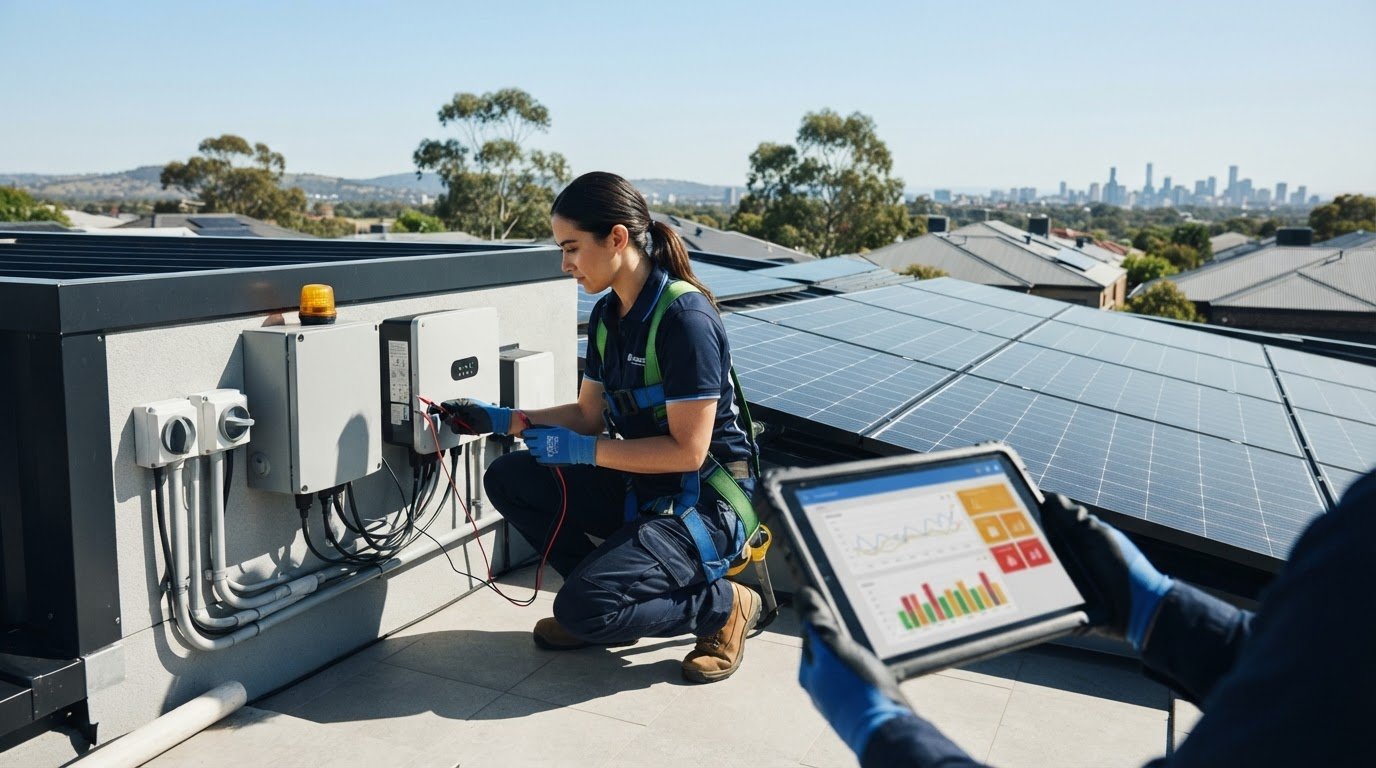
A running inverter doesn’t prove your solar panels are working properly. Solar panel fault finding combines a visual inspection, electrical checks and monitoring data to identify problems with the inverter, isolators, wiring or panels. A temporary change in output can have several causes, so readings need to be considered alongside the system’s condition and operating history.
If your generation has dropped or the inverter is showing a warning, it’s understandable to want a clear answer before assuming a major repair is needed. Some faults are visible, while others require electrical testing to pinpoint safely. Solar DC circuits can remain live in daylight, so leave electrical checks and rooftop inspections to a qualified professional.
This guide explains the signs to look for, how inspection and testing help narrow down the cause, and what monitoring records can reveal. You’ll also learn why an inverter restart may not resolve the underlying issue, and when maintenance or repairs can help restore reliable system performance.
Key Takeaways
- Compare your system’s monitoring history with its usual performance to spot changes that may point to a fault.
- Use inverter warnings and fault logs as clues, but remember a restart may not fix the underlying problem.
- Leave electrical testing and rooftop isolator checks to a qualified professional, as solar DC circuits can remain live in daylight.
- Understand how moisture, connection problems and cable damage can contribute to isolator faults.
- Learn how inspections can help distinguish panel damage or gradual degradation from issues elsewhere in the system.
Common solar system and inverter faults
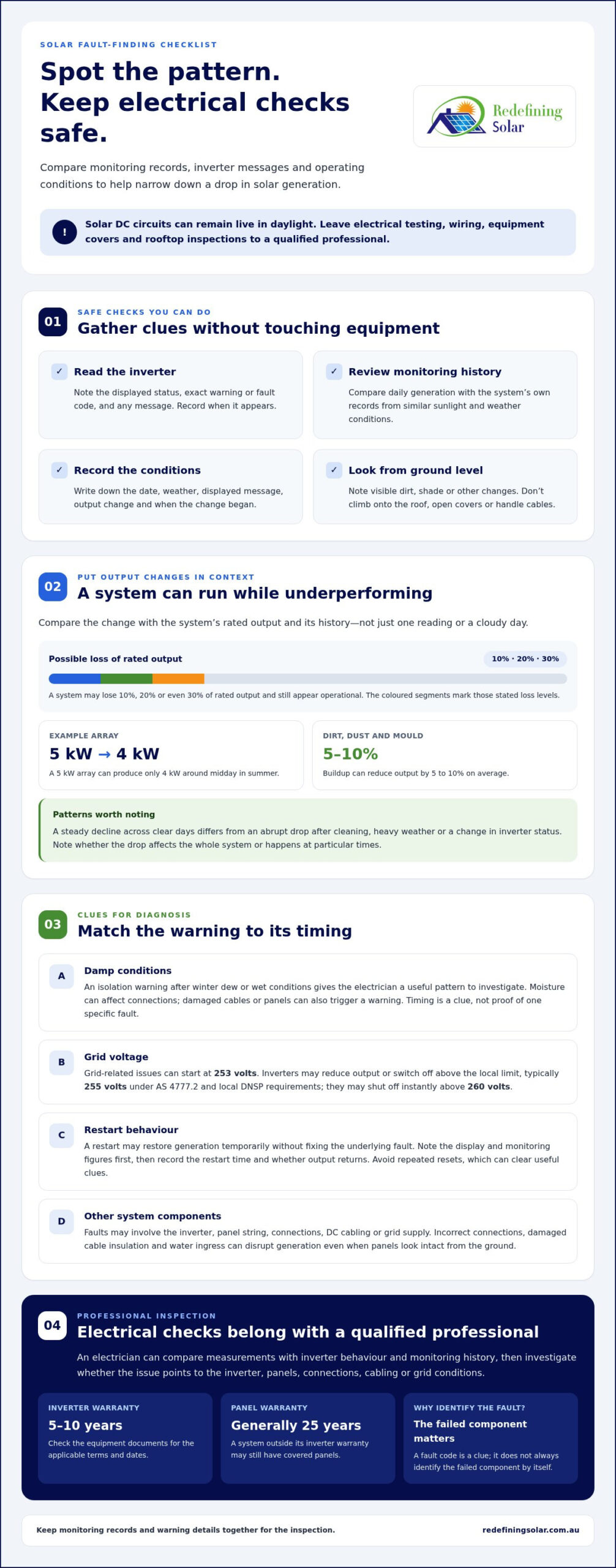
A solar system can appear to be running while producing less power than expected. Fault finding compares inverter behaviour, system output and operating conditions to narrow down the cause.
How much does solar panel fault finding and repair cost in Australia? The price depends on the fault, the parts and labour required, and access to the affected equipment. You’ll receive a quote after making a request.
Inverter Fault Diagnosis
Diagnosis starts with the inverter’s display or monitoring record, then compares its output with the system’s expected performance. The electrician checks whether the problem points to the inverter itself, a panel string, a connection or a grid condition. This matters because an inverter fault can account for almost 50% of major solar system failures. A restart may restore generation temporarily without resolving the underlying cause.
Interpreting Inverter Fault Codes
A fault code identifies what the inverter has detected, but it doesn’t always identify the failed component on its own. Record the exact code and any message shown, then note when it appears, such as during damp morning conditions or periods of strong generation. The electrician uses those details alongside electrical measurements and monitoring history. Avoid repeatedly resetting the unit, as this can clear useful clues without fixing the fault.
Isolation faults can appear when panels or connections are wet from winter dew. Water or moisture can affect connections, while damaged cables or panels may also trigger a warning. The timing helps guide diagnosis: a warning that appears after damp weather gives the electrician a useful pattern to investigate, rather than proving one specific fault.
Grid voltage is another possible cause of inverter shutdowns in Australia. Inverters may reduce output or switch off when grid voltage exceeds the local limit, typically 255 volts under AS 4777.2 and local DNSP requirements. They may shut off instantly if voltage exceeds 260 volts. An electrician can compare the inverter’s recorded behaviour with measured conditions to distinguish a grid-related interruption from equipment failure.
Warranty periods also help frame the next diagnostic step. Solar inverters generally have warranties lasting 5 to 10 years, while solar panels generally have a 25-year warranty. Check the equipment documents for the applicable terms and dates. A system outside its inverter warranty may still have covered panels, so identifying which component has failed matters before deciding on repair or replacement.
Solar system inspection and electrical checks
In Australia, solar DC circuits can carry live voltage whenever panels are exposed to light, even at the circuit breaker. Check output through the inverter display or monitoring app, and leave electrical testing, covers and wiring untouched. Compare recorded performance under similar weather and sunlight conditions.
Signs of System Underperformance
A system can lose 10%, 20% or even 30% of its rated output while still appearing operational. Compare the inverter’s daily generation with its own records for similar conditions, rather than relying on one cloudy day or a single reading. For example, a 5 kW array can produce only 4 kW around midday in summer. Dirt, dust and mould buildup can reduce output by 5 to 10% on average.
Note when the change began and whether it affects the whole system or appears at particular times. A steady decline across clear days suggests a different pattern from an abrupt drop after cleaning, heavy weather or a change in inverter status.
System Restarts and Fault Diagnosis
A restart can make generation resume without resolving the underlying fault. Record the inverter display and monitoring figures before restarting, then note the time and whether output returns. If the same interruption recurs, that pattern gives an electrician useful diagnostic evidence. Avoid repeated restarts, which can obscure when the fault occurs and whether it follows a particular operating condition.
Compare the restart timing with the system’s recorded output. An interruption near midday, for instance, may show a different pattern from a system that stops producing early in the morning.
Basic Solar System Fault Checks
Use checks that don’t require touching electrical equipment. Read the inverter display, look for a warning or changed status, and review the monitoring app’s daily and recent generation history. Check whether the recorded drop aligns with reduced sunlight, shade or visible dirt from ground level. Don’t climb onto the roof, open equipment covers or handle cables.
Write down the date, weather, displayed message and output change. That simple record helps distinguish a one-off fluctuation from a repeated pattern. If output remains low across comparable sunny days, share those observations with the electrician performing the inspection.
Balance-of-System Faults
The inverter is only one part of a solar system. Electrical checks can also assess connections, DC cabling and other components that carry power between the panels, inverter and switchboard. Incorrect or faulty connections, damaged cable insulation and water ingress can disrupt generation, even when the panels still look intact from the ground.
Grid voltage can also affect inverter operation, with issues in Australia starting at 253 volts. An electrician can compare measured electrical conditions with the inverter’s operating record, then trace whether the fault sits in the panels, cabling, connections or grid supply.
Keep your monitoring records and warning details ready for an inspection of solar system faults. This gives the electrician a clear starting point without putting you near live equipment.
Remote review of monitoring data and fault logs
Monitoring records show how a solar system behaves over time, while inverter fault logs capture alerts and interruptions. Reviewing both helps trace when performance changed and which part of the system needs closer attention.
Compare generation patterns
Start with the monitoring app or inverter portal and compare recent generation with the system’s own history. Match similar conditions, such as clear days with comparable sunlight, rather than comparing a sunny day with a cloudy one. Check the daily generation graph, then zoom in on the time of any sudden drop. A gradual change across several days suggests a different pattern from an abrupt stop during peak sunlight.
Look at the shape of the graph as well as its total. A normal curve typically rises after sunrise, peaks around the middle of the day and falls towards sunset. A gap during otherwise productive hours can indicate an interruption, while a lower curve throughout the day may point to reduced generation or operating conditions. These patterns guide the next diagnostic step, but a graph alone doesn’t identify the failed component.
Read fault logs in context
Record the exact alert text, event time and inverter status before interpreting a fault log. The same warning can have different diagnostic value depending on whether it appeared once or alongside repeated generation interruptions. Compare its timestamp with the monitoring graph to see whether output changed at the same moment. This links an inverter message to an observable system event, rather than treating the code as a diagnosis on its own.
- Generation history: Note when the curve first changed and whether the pattern continued.
- Fault log: Save the exact message and event time, not a paraphrase.
- System status: Record whether the inverter showed normal operation, a warning or no data.
- Conditions: Note cloud, shade or recent weather that could explain a change.
A missing reading doesn’t automatically mean the panels stopped generating. Check whether the app has stopped updating while the inverter display still shows normal operation. A monitoring connection issue can interrupt data transfer, leaving a blank period even when the system is operating. Comparing the portal’s latest update with the inverter display helps distinguish a communications gap from a generation fault.
Remote review also helps set priorities for an electrician’s inspection. If logs show recurring interruptions at a consistent time, that timing can be compared with voltage readings and system conditions during testing. If the output graph falls but no alert appears, the electrician can investigate components that monitoring doesn’t directly identify. Record the dates, alerts and graph changes together so the system’s history can be interpreted alongside on-site electrical checks.
Keep screenshots or download available reports before an appointment, especially if the portal replaces older event details. A clear timeline gives the electrician a practical starting point: when performance changed, what the inverter reported, and whether generation returned. Remote records help narrow the investigation; physical inspection and electrical testing establish the cause.
Rooftop DC isolator faults
A rooftop DC isolator sits between the solar panels and inverter, allowing the direct-current circuit to be disconnected for servicing. If it develops a fault, the inverter may report an isolation warning, stop generating or operate intermittently. Because panels exposed to light can keep DC circuits live, including at the circuit breaker, don’t open, test or operate rooftop equipment yourself.
Common causes include water ingress in the isolator, incorrect or faulty connections, damaged panels, and incorrectly installed or damaged DC cable insulation. These faults can affect the electrical path from the array to the inverter. For example, moisture entering an enclosure can compromise connections, while damaged insulation can expose wiring to further deterioration.
What an electrician checks
An electrician starts by relating the inverter’s warning and monitoring history to the rooftop equipment. They inspect the isolator enclosure, cable entries and visible wiring for signs such as cracking, corrosion, loose fittings or discolouration. A visual mark alone doesn’t identify the exact fault, so the electrician follows up with appropriate electrical tests to locate the affected component.
Testing helps distinguish an isolator problem from a fault elsewhere in the DC circuit. The electrician checks connections and cable insulation, then assesses the circuit and relevant panel strings using suitable test equipment. If readings point to one section rather than the whole array, they can narrow the investigation to that section. Solar strings can operate at 600 volts or higher, so these measurements aren’t homeowner checks.
Clues to record from the ground
You can support the investigation without touching rooftop components. Record the exact inverter warning, when it appeared, and whether it followed rain, damp weather or a change in generation. From a safe ground-level position, note any visible enclosure damage or loose covers. Don’t climb onto the roof or remove an isolator cover to look for moisture.
A recurring isolation warning after wet weather gives the electrician a useful timing clue, but it doesn’t prove water ingress. Faulty connections, damaged panels and cable insulation problems can produce related symptoms. The diagnosis depends on inspection and electrical testing, not the warning alone. Keep the event details together so the electrician can compare them with the system’s condition.
Repair decisions
Once the failed part is identified, the electrician determines whether the isolator, a connection, cable insulation or another component needs attention. A rooftop enclosure that appears intact can still have an internal electrical fault, while visible damage may need testing to establish its effect. Correct identification helps avoid replacing an unaffected component and ensures the repair addresses the actual cause.
Leave the rooftop DC isolator switched and untouched unless an electrician gives you specific instructions. If the inverter displays an isolation fault, note its message and time, then arrange a professional inspection. That record, together with the electrician’s test results, helps pinpoint the fault without exposing you to live solar DC wiring.
Solar cell microfractures and degradation
A solar panel can look intact while internal cell damage affects its electrical output. Microfractures are fine cracks within solar cells, and their effect can range from limited to more noticeable. An electrician investigates them when inspection and performance records point towards a panel-level issue rather than an inverter or wiring fault.
Cracks can develop after physical stress, such as impact or pressure during handling. Some are difficult to see from the ground or in a basic visual inspection. A panel’s glass may appear unbroken, while electrical testing or specialist imaging reveals a problem within a cell. That’s why a roof-level appearance alone can’t rule out microfractures.
How cell damage is investigated
The electrician considers the panel’s appearance alongside system performance and electrical test results. Specialist imaging, including electroluminescence or thermal imaging, can help reveal cell damage that isn’t visible to the naked eye. The findings need to be interpreted in context: a mark or unusual image is a clue, while testing helps establish whether it affects the panel’s operation.
Panel strings also matter. Panels connected in a string contribute to the same electrical pathway, so a problem affecting one panel can influence the string’s recorded performance. Comparing string readings helps identify whether an output change is localised or appears across the wider array.
Gradual degradation versus a fault
Not every reduction in panel output means a sudden failure. Light-induced degradation is a slow performance loss of around 0.5% per year. A gradual change over time differs from a sharp drop that begins after a specific event. An electrician compares system history and test results to assess whether the pattern fits gradual degradation or suggests damage that needs investigation.
Keep a note of when you first noticed a change, and save relevant monitoring records. For example, a sustained decline across several readings gives a different picture from a sudden change on one day. Those records help the electrician connect the timing of the performance change with panel inspection and electrical findings.
Microfractures and degradation can’t always be identified through routine monitoring alone. Monitoring shows how the array performs, while panel-level inspection and testing help investigate why. The electrician may compare the affected panel’s condition and electrical behaviour with other panels in the same system. This supports a more precise decision about whether a panel needs further attention.
If testing identifies a damaged panel, the next step depends on the findings and the panel’s warranty terms. Solar panels generally have a 25-year warranty, but the applicable conditions depend on the product documentation. Keep that information alongside test results and monitoring records. If you need a replacement panel, explore solar panel supply options as part of your repair planning.
Redefining Solar: Battery Ready & Upgrades
Redefining Solar offers Battery Ready & Upgrades for homeowners planning how their solar setup could support future energy needs. Once an electrician has identified the cause of a fault, you can consider whether an upgrade is also right for your property, rather than treating a new system as the default solution.
For a home or business needing a new system, Redefining Solar also supplies Residential Solar Systems and Commercial Solar Systems. Solar Panel Sales / Supply Only is another option if you’re sourcing panels separately. The right path depends on the existing system’s condition, the diagnosed fault and your plans for the property.
For a straightforward discussion about your solar options, contact Redefining Solar.
Take the next step towards reliable solar
Use your inspection notes and monitoring records to make the next decision clear. A concise record of what changed, when it happened and what the inverter displayed gives a repair discussion a practical starting point. It also helps separate a fault that needs attention from a reason to plan a broader system change.
Good solar panel fault finding should lead to a clear explanation of the issue and the work needed to address it. If your system needs attention, Redefining Solar offers Maintenance & Repairs. If you’re considering a future upgrade instead, its Battery Ready & Upgrades can be part of that conversation, without assuming replacement is the answer to every fault.
Share the symptoms you’ve recorded and discuss the next step with Redefining Solar’s solar repair team. With a clear diagnosis, you can make an informed choice about your system and move forward with greater confidence.
Frequently Asked Questions
Are My Solar Panels Working Properly?
You can’t judge panel health from appearance alone; compare generation records with the system’s previous performance under similar conditions. Also consider how much electricity your household is using during daylight, as increased use can change grid imports without indicating a panel fault. For example, a new appliance running during the day may use solar power that previously flowed to the grid. Look at generation and household use together.
What Do I Need To Do?
Write down the inverter’s displayed status, any warning message and when you first noticed a change. Save a screenshot of the monitoring graph and note unusual weather or a recent change to household electricity use. Don’t open equipment or climb onto the roof. These records give the electrician a clearer starting point and help distinguish a system issue from a change in your home’s energy use.
What causes an isolation fault?
An isolation fault can result from water ingress in a DC isolator, faulty or incorrect connections, damaged panels, or damaged or incorrectly installed cable insulation. The displayed warning identifies an issue in the electrical circuit, but it doesn’t prove which component caused it. Note whether the alert appears after damp weather and record its wording. That timing helps the electrician focus the inspection without you opening the isolator.
How do I troubleshoot common solar panel faults in Australia?
Start with information you can access safely: check the inverter’s status, save any displayed message and review generation records. Compare the same time of day across days with similar weather, and note whether a household change could explain altered electricity use. Don’t remove covers, handle wiring or climb onto the roof. If the inverter warning returns or generation remains unexpectedly low, arrange a professional diagnosis.
What are the signs of a faulty solar panel, inverter or solar system?
Possible signs include a persistent change in generation, recurring inverter alerts, or visible panel damage from ground level. A blank monitoring graph can also signal a data connection issue, rather than proving the panels have stopped working. Check whether the inverter display and monitoring records tell the same story. Recording the exact warning and when it occurs helps narrow down whether the issue concerns data, the inverter or the array.
What are common causes of low solar energy production in Australia?
Lower output can reflect seasonal sunlight, cloud, shading, dirt or a system fault. Winter’s shorter daylight and changing weather affect available solar energy, while a new obstruction can shade panels that previously received clear sun. Compare performance under similar conditions and note changes around the property, such as growing tree cover. If output stays low despite comparable sunlight, an electrician can test whether equipment or connections are contributing.
When should I call a licensed electrician or accredited solar installer to diagnose a fault?
Arrange a professional assessment if an inverter warning keeps returning, the system repeatedly stops generating, or output remains low across comparable sunny conditions. Contact an electrician promptly if you see damaged electrical equipment or suspect a cable or isolator problem. Give them the warning text, dates and monitoring records. Don’t try to confirm a rooftop fault yourself, as solar circuits may remain live in daylight.
Does solar panel troubleshooting affect warranties or solar system insurance?
It can, depending on the warranty conditions and your insurance policy. Before arranging work, review both documents for requirements about repairs, approved service records and evidence of damage. Keep invoices, inspection findings, inverter messages and monitoring screenshots together. Avoid altering or opening equipment yourself, as undocumented changes can complicate a later warranty or insurance assessment. Ask your insurer how its policy applies to the specific work being considered.
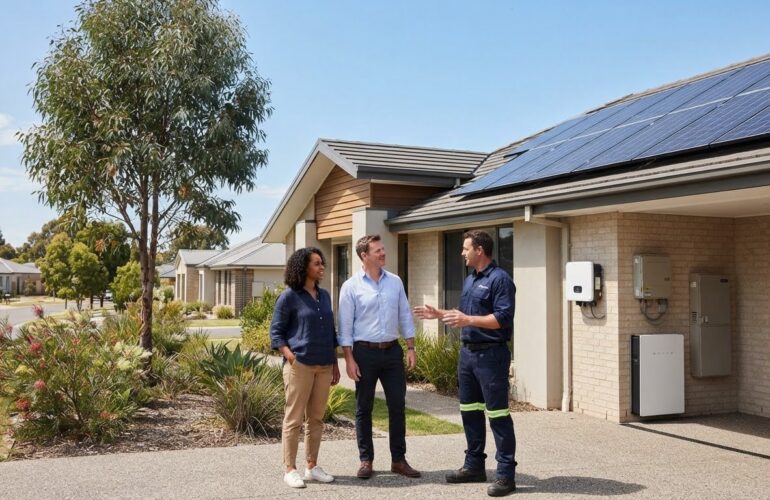
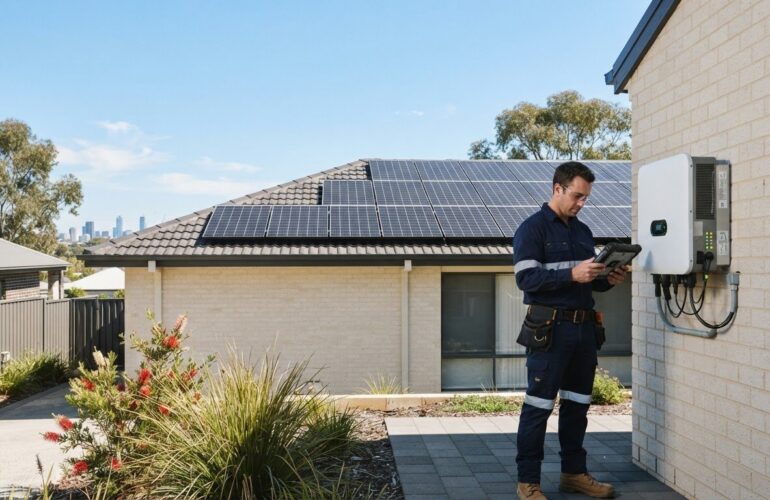
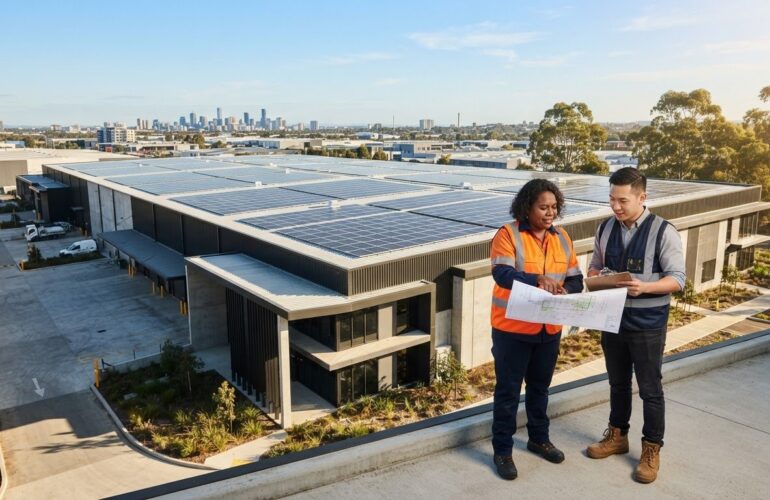
[…] Solar fault diagnosis uses a system’s history, reported symptoms and appropriate inspections or tests to identify the likely source of a problem. The assessment follows the fault and system configuration. The relevant components and test methods depend on what you’ve noticed and how your solar system is set up. For more detail, see this guide to solar panel fault finding. […]