
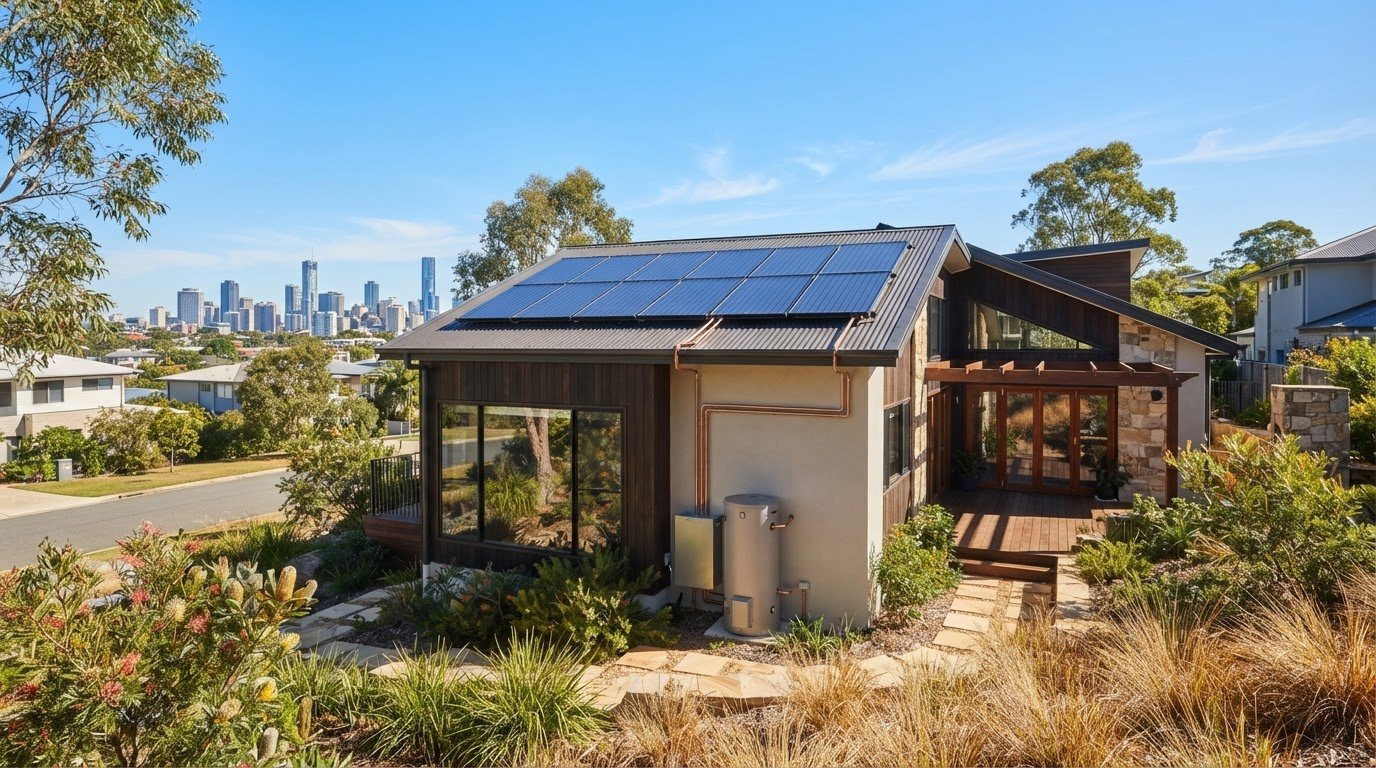
Could your roof and hot-water habits make solar thermal a better fit than replacing your electric system like for like? If you’re weighing up whether to replace electric hot water with solar thermal, the answer depends on more than sunshine. Your household’s hot-water demand, available roof space and backup heating all matter.
It’s reasonable to want to rely less on electric heating without risking a cold shower on overcast days or when demand is high. Solar thermal collectors use sunlight to heat water, while an electric storage system uses electricity. A solar thermal system can also use supplementary heating when solar input isn’t enough, so understanding how that support works is part of a sound comparison.
This guide explains the key differences and what to assess before planning a replacement. You’ll learn how household use, roof orientation and available space, system condition and backup arrangements can affect suitability, along with the practical information to gather for a project. Redefining Solar designs, installs and services solar thermal water-heating systems, with licensed electrical oversight supporting a considered approach from planning through ongoing care.
Key Takeaways
- Decide whether to replace electric hot water with solar thermal by weighing your current system’s condition against your replacement priorities.
- Map your household’s hot-water use to see whether a solar thermal system could suit your daily demand.
- Factor in roof access, orientation, shading and available space, which all need a property-specific assessment.
- Include installation scope and supplementary heating in your comparison, not just the energy source.
- Gather details about your existing unit and property to help shape a replacement plan around your requirements.
Replace electric hot water with solar thermal: what changes for your home?
Before you replace electric hot water with solar thermal, compare how reliably your current unit meets demand, how it uses energy and what matters most in a replacement. Solar thermal collectors capture heat from the sun to warm water held in a storage tank. Solar photovoltaic (PV) panels work differently: they convert sunlight into electricity for use around the home. The Solar water heating overview explains common system configurations and how they operate.
The change is more than swapping one tank for another. It changes where the heat comes from, how much the system relies on sunlight and what equipment may be involved. These practical differences are a useful starting point:
- Energy source: An electric storage unit uses electricity to heat water. Solar thermal uses captured solar heat, with supplementary heating available when the system needs support.
- Weather exposure: Electric heating doesn’t depend on sunshine. Solar thermal performance is affected by available solar input, so conditions can influence how much supplementary heating is needed.
- Backup: An electric unit heats water through its electrical element. A solar thermal setup may include supplementary heating, but how it works depends on the system design.
- Household fit: Your existing unit’s condition and hot-water demand matter in either case. Solar thermal also needs suitable roof access and solar exposure, while a like-for-like electric replacement may involve a different scope of work.
There’s no guaranteed energy or bill outcome from the technology alone. Results depend on system design, household demand, site conditions and how the system is used. A home with suitable solar access and a well-matched system may use solar heat effectively, but that outcome can’t be assumed for every property.
What changes when an electric storage unit is replaced?
With an electric storage unit, grid-supplied electricity heats water in the tank. A solar thermal system instead uses heat captured by rooftop collectors to warm stored water, with supplementary heating supporting demand when solar input isn’t sufficient. Replacement planning may involve assessing the existing hot-water connections, electrical supply, tank location, roof access and controls. Compatibility and the work required depend on the home and selected system, so include the changeover scope in the design discussion.
When is solar thermal worth considering?
Solar thermal may be worth exploring if you’re planning a hot-water replacement and want to use solar energy directly to heat water. Start by considering when your household uses hot water, whether the roof has suitable access and exposure, and whether there is space for the system. These factors help show whether solar thermal aligns with your priorities. It isn’t automatically the right choice for every home, particularly if site conditions or household demand don’t support a suitable design.
For a useful comparison, note your current unit’s age and condition, any reliability concerns, and when your household typically needs hot water. For example, record whether demand peaks in the morning or evening, and whether several people use hot water in quick succession. This gives system design a practical starting point rather than relying on general claims about savings or suitability.
How solar thermal keeps hot water available when sunlight varies
Solar thermal hot water uses collectors to capture the sun’s heat and transfer it to water held in a storage tank. That’s different from rooftop solar photovoltaic (PV) panels, which turn sunlight into electricity rather than heating water directly. Stored hot water can be used later, while supplementary heating helps meet demand when solar heat alone isn’t enough.
The system works as a sequence: collectors gather heat, that heat warms water for storage, and supplementary heating provides extra support when required. The solar contribution isn’t fixed. It varies with weather, system design and how much hot water your household uses, so a suitable system needs to account for all three.
What do the collector, storage tank and booster each do?
Each component has a practical role in keeping hot water available. Collectors capture solar heat and transfer it to water, directly or through a heat-transfer arrangement, depending on the system. The storage tank holds heated water until taps, showers or appliances need it. An electric booster, where included, heats water when solar input hasn’t provided enough warmth for demand.
Supplementary heating is the backup that adds heat when solar energy hasn’t warmed enough stored water to meet household demand. Its role is to support availability, not to guarantee that hot water will always be supplied by the sun alone.
What happens on cloudy days or during higher demand?
With less sunlight reaching the collectors, the system may gather less heat. If stored water isn’t warm enough for the next period of use, supplementary heating can take on more of the work. How much support is needed depends on the system and conditions, rather than following a set solar contribution every day.
Household routines matter, too. If several people shower in quick succession or you use more hot water than usual, the tank’s stored supply may be drawn down faster. A quieter day may allow more time for solar heat to contribute before the next high-use period. Thinking about when your household uses hot water helps make the system design more relevant to everyday needs.
For a useful assessment, consider both your typical routine and the times demand peaks. A system designed around your household’s needs can account for how solar input and supplementary heating work together, but outcomes still depend on site conditions and use. If you’re considering a replacement, solar thermal system design can connect those practical details with a suitable project plan.
Solar thermal vs electric hot water: compare the trade-offs that matter
Choosing whether to replace electric hot water with solar thermal isn’t just a comparison of energy sources. The condition of your current unit, the timing of replacement, your household’s hot-water habits and your property’s solar access all shape the decision. A working electric system may have useful service left, while a unit already due for replacement creates an opportunity to assess other options.
Use this comparison to identify the questions that matter for your home. The details of a solar thermal system depend on its design and site conditions, so the table is a guide rather than a prediction of performance.
| Consideration | Existing electric storage | Solar thermal replacement |
|---|---|---|
| Energy source | Uses electricity to heat water in a storage tank. | Uses captured solar heat, with supplementary heating as required. |
| Weather exposure | Heating doesn’t rely on sunshine. | Solar contribution varies with available sunlight and site conditions. |
| Backup dependence | The electric element heats the stored water. | Supplementary heating may be needed when solar input is limited or demand is higher. |
| Replacement context | Keeping a reliable unit may avoid replacing it before necessary. | May suit a planned replacement if the property and household demand suit the system. |
What can favour keeping the existing electric system?
If your electric unit is relatively new, reliable and meeting your needs, there may be no reason to replace it before it’s due. Keeping a functioning system operating safely can be the simplest short-term choice, particularly if a replacement isn’t otherwise on your plans. Consider its condition and any reliability concerns alongside your longer-term priorities, rather than assuming one system is always cheaper or more practical.
What can favour switching to solar thermal?
A planned replacement is a natural time to consider solar thermal, especially if the property has suitable solar access and your household’s hot-water demand aligns with the system design. Its appeal is direct use of captured solar heat for water heating. Weigh that against roof and installation requirements, changing solar input, and the possibility of relying on supplementary heating when conditions or demand call for it.
A heat-pump hot-water system is another option to consider in a broader replacement comparison. It works differently from solar thermal, so it shouldn’t be treated as the same technology or as a substitute for checking whether solar collectors suit your property.
The right option depends on site suitability, usage patterns and replacement priorities. If your electric unit is still in good condition, timing may be central to the decision. If replacement is already due, compare the system requirements with your roof access, household demand and expectations for backup before settling on a direction.
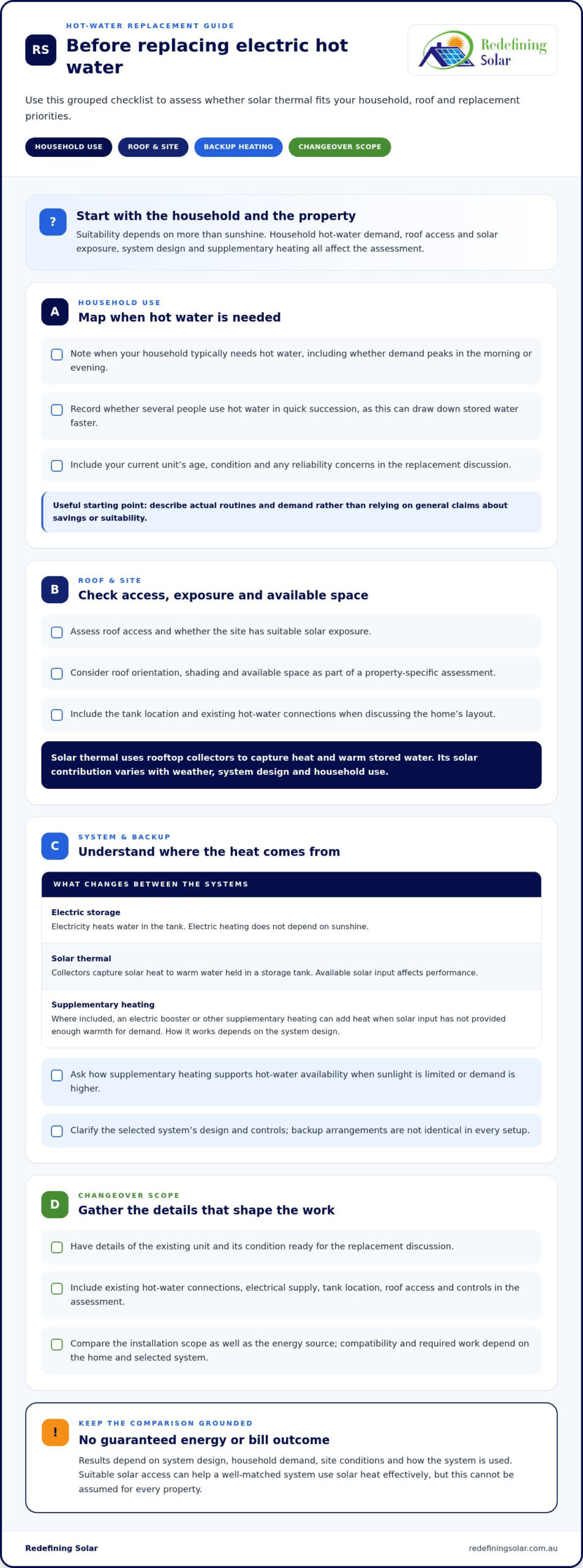
Use this checklist before replacing electric hot water with solar thermal
A little preparation can make a replacement discussion more useful. Before you decide to replace electric hot water with solar thermal, gather details about your current unit, how your household uses hot water and the space available for system components. Use this checklist to identify what’s known and what needs a property-specific assessment.
- Check the current unit. Note its type, age if known, condition and any performance concerns, such as unreliable heating or changes in available hot water. Record whether replacement is urgent or can be planned ahead.
- Map household demand. Write down the number of people in your home, usual peak-use periods and any unusually high demand. Include patterns such as several showers close together or regular use of hot water for household tasks.
- Consider roof access and exposure. Note possible collector locations, shading at different times and any access limitations. Orientation, available space and surrounding shade all need to be assessed for the specific property; there’s no universal threshold that determines suitability.
- Think through installation scope. Consider where the storage tank and other system components could sit, and what existing connections or equipment may need assessment. The changeover work depends on the home and selected system.
- Plan for backup and servicing. Consider how supplementary heating could support hot-water demand when solar input is limited, and what ongoing servicing the system will need. Keep questions about these practical details together for the design discussion.
Assess your hot-water use and existing equipment
Your notes don’t need to be technical. A simple account of who uses hot water, when demand peaks and where the current unit falls short can help clarify your priorities. If the unit is unreliable, timing may be urgent; if it’s working well, you may have more room to plan. These details help distinguish an immediate replacement need from a considered upgrade.
Make your notes specific where possible. For example, record whether hot-water use is concentrated at one time of day, whether multiple showers happen back to back, and whether the current unit runs short during busy periods. This information helps keep planning focused on the way your household actually uses hot water.
Check site suitability and plan the changeover
Roof access, shading, collector placement and space for system components should be considered together, not in isolation. Also note access constraints around the existing tank and the electrical supply. Understanding how solar thermal water-heating systems work can help you follow the design discussion and see why the proposed layout depends on your property.
Once you’ve gathered these details, plan a solar thermal replacement around your property, household demand and changeover requirements. A clear brief helps keep the assessment focused on practical suitability and dependable hot-water support.
Plan your solar thermal replacement with Redefining Solar
Once you’ve considered your household’s hot-water needs and the property’s suitability, the next step is to plan the replacement around those details. Redefining Solar designs, supplies and installs solar thermal water-heating systems for homes across Australia. A tailored plan connects site conditions, your demand and the practical requirements of the changeover, rather than assuming the same setup will suit every property.
What to expect from a tailored replacement plan
Planning begins with the information that affects system design: available roof area and access, potential collector location, existing equipment and how your household uses hot water. Those details help shape a proposed system for the property and project requirements. The selected equipment is then coordinated with professional installation, with the work and changeover scope determined by the home and chosen system.
The plan can account for practical considerations such as where system components can be positioned and how the existing installation may affect the work. It also gives you a clearer basis for discussing supplementary heating and the system’s expected role in your home. If you’re weighing up whether to replace electric hot water with solar thermal, a property-specific design brings those considerations together without promising a particular level of savings or performance.
How to take the next step with confidence
Before discussing a planned replacement, gather what you know about your existing unit, including its type, age if known, condition and any reliability concerns. Add a brief picture of household routines, such as when hot-water use peaks or whether demand is unusually high. You don’t need technical drawings or a perfect record. These notes help keep the conversation grounded in your home and priorities.
Redefining Solar is Australian owned and operated, and directed by a licensed electrician. The business also provides ongoing maintenance and repairs for solar heating installations, supporting the system beyond the initial installation. Project details are shaped around the property and selected system, so clear information about your home helps establish a practical starting point.
If you’re ready to discuss a planned changeover, Discuss a solar thermal hot water replacement.
Make your next hot-water decision with confidence
You don’t need to have every detail settled before taking the next step. Start with the information you have, such as your unit’s condition, household routines and any concerns about roof access or changeover timing. A practical discussion can help turn those notes into a plan that reflects your home, rather than committing to a system based on assumptions.
If you’re considering whether to replace electric hot water with solar thermal, Redefining Solar can help plan the project through system design, supply, installation and ongoing servicing. The Australian-owned and operated business is directed by a licensed electrician, bringing technical oversight to the work and support beyond installation.
Whether your replacement is approaching or you’re planning ahead, the useful next move is to talk through your property and priorities. Discuss a solar thermal hot water replacement and take a considered step towards a system that suits your home.
Frequently Asked Questions
Is solar thermal hot water worth considering if my electric system still works?
It can be worth exploring, but a reliable electric unit doesn’t necessarily need immediate replacement. If the system is still meeting your needs, you can plan ahead rather than rushing a changeover. Use that time to gather information about your unit and household use, then consider whether your roof and project priorities support a solar thermal design. This helps you decide whether to replace electric hot water with solar thermal now or at a later replacement point.
Can solar thermal hot water provide enough hot water on cloudy days?
It may provide hot water on cloudy days, but the amount of solar heat collected can be lower, so supplementary heating may need to contribute more. For example, after a stretch of overcast weather, a household with several showers in the morning may draw more from stored hot water and backup heating. The system’s design and your demand affect how it responds, so solar-only supply shouldn’t be assumed in every condition.
Does a solar thermal system still use electricity?
It can. Depending on the system design, electricity may power components such as a circulation pump or controller, and an electric booster may heat water when solar input is insufficient. The exact electrical requirements vary between systems, so they’re relevant when assessing the installation and expected operation. Solar thermal uses the sun’s heat directly to warm water, but that doesn’t mean every part of the system operates without electricity.
Can I keep my existing electric hot water unit as supplementary heating?
Possibly, but it depends on the existing unit and how the selected solar thermal system is designed. The tank, connections, controls and electrical setup may affect whether the unit can be incorporated as supplementary heating. Its age and condition matter too. Treat keeping it as a design question, not an automatic feature of a replacement. An assessment can clarify whether retaining it makes practical sense for your home.
How do I know whether my roof is suitable for solar thermal collectors?
A site-specific assessment is the reliable way to determine suitability. It considers roof orientation, shading across the day, usable space, access for installation and where other system components can be placed. A roof that looks sunny from the ground may have shade at key times, or limited space for the proposed layout. Photos and notes about nearby trees or structures can help inform an initial discussion, but don’t replace an on-site assessment.
Is solar thermal different from solar hot water powered by rooftop solar panels?
Yes. Solar thermal collectors capture sunlight as heat and use it to warm water. Rooftop solar photovoltaic panels convert sunlight into electricity, which can then run an electric hot-water system or another appliance. The two approaches use solar energy differently and have different equipment and installation needs. If you’re comparing them, consider whether you want to heat water directly with collected solar heat or use solar electricity as part of your home’s wider energy supply.
How long does replacing an electric hot water system with solar thermal take?
There isn’t one timeframe that applies to every replacement. The work can depend on the property, the chosen system, roof and tank access, and whether existing plumbing or electrical arrangements need changes. Planning and installation are separate parts of the project, so the overall schedule depends on the scope agreed for your home. Having your current unit details and access information ready can help make the project discussion more specific.
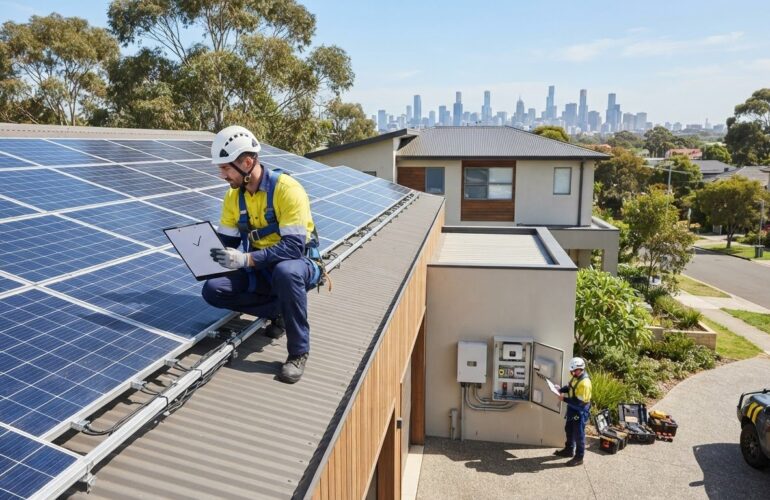
[…] solar hot water installation in Victoria, compare your actual site and usage when considering whether to replace electric hot water with solar…. Consider where equipment could go, how the household uses hot water and what connections are […]