A bigger solar system isn’t automatically the right fit for your home. A 6.6 kW system is typically adequate for an average Australian home and may use 13 to 15 panels, but your electricity use and roof conditions shape the final size. A solar system size calculator for my home can provide a useful starting estimate, not a one-size-fits-all answer.
The key question is how closely solar generation matches the power your household uses, and when you use it. This guide explains how consumption, daily routines, panel direction and shading affect system size and the number of panels your roof may accommodate. You’ll have a clearer starting point for choosing a system that suits your home.
Key Takeaways
- Use your electricity consumption as the starting point for estimating a suitable system, then consider how your household’s needs may change.
- Match solar generation to the times you use power; daytime habits can affect how much of your system’s output you use directly.
- Roof direction, tilt and shading influence generation, so panel count alone won’t tell you how well a system will perform.
- A solar professional can bring your usage patterns and roof conditions together to recommend a system size that fits your home.
Solar Panel System Size Calculator: How a Professional Sizes a System for Your Home
A solar professional compares your electricity use with estimated rooftop generation, then considers your roof and daily habits. A solar system size calculator for my home can provide an initial estimate, but a professional assessment connects that figure to your household’s actual needs. For example, an Adelaide household using 18 kWh per day could use a 5 kW system to offset its consumption.
Australian rebates, STCs and state incentives can affect upfront costs and payback, but they do not determine your household’s electricity demand. Their impact depends on the scheme and your eligibility. Some programs also require you to use an authorised retailer.
Sizing a system from electricity use
Your electricity use is the starting point for estimating suitable system capacity. A professional can review your bills to understand total consumption and how much power you use during daylight. This matters because using solar electricity at home can reduce grid purchases, while surplus generation may be exported.
The estimate should also account for planned changes, such as adding electric appliances or using more power during the day. A larger system is not automatically a better fit. The aim is to balance expected generation with your consumption and available roof space, rather than sizing a system from a single bill.
Estimating solar generation by location with a solar professional
A professional estimates generation by combining your city’s average output per installed kilowatt with the proposed system size. Adelaide’s estimate is 4.2 kWh per installed kW per day; a 3 kW system in South Australia is estimated to produce 12.6 kWh daily. A solar system size calculator for my home uses location and capacity to offer a useful comparison with household consumption.
Roof orientation, tilt and shading can change actual output. To estimate savings, the professional considers how much solar power you use directly and any export credits from retailers. Multiplying estimated daily savings by 365 gives an annual estimate. Simple payback compares upfront system cost with estimated annual savings; the cost estimate depends on system size, equipment and roof layout.
Solar panel orientation and matching generation to energy use
Panel direction and roof layout affect generation, how many panels can fit and how well solar production aligns with household demand. A professional will also consider system capacity and local export arrangements, because the system and grid export may have separate limits. Together, these factors shape how the system is designed to operate.
Orientation, shading and roof space
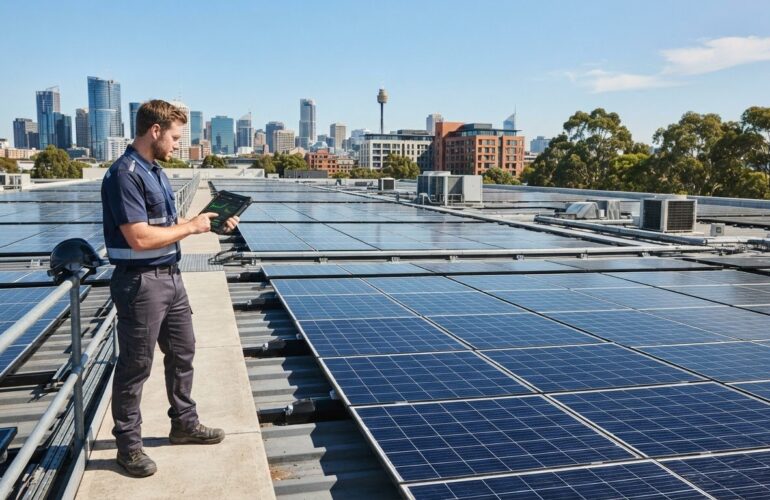
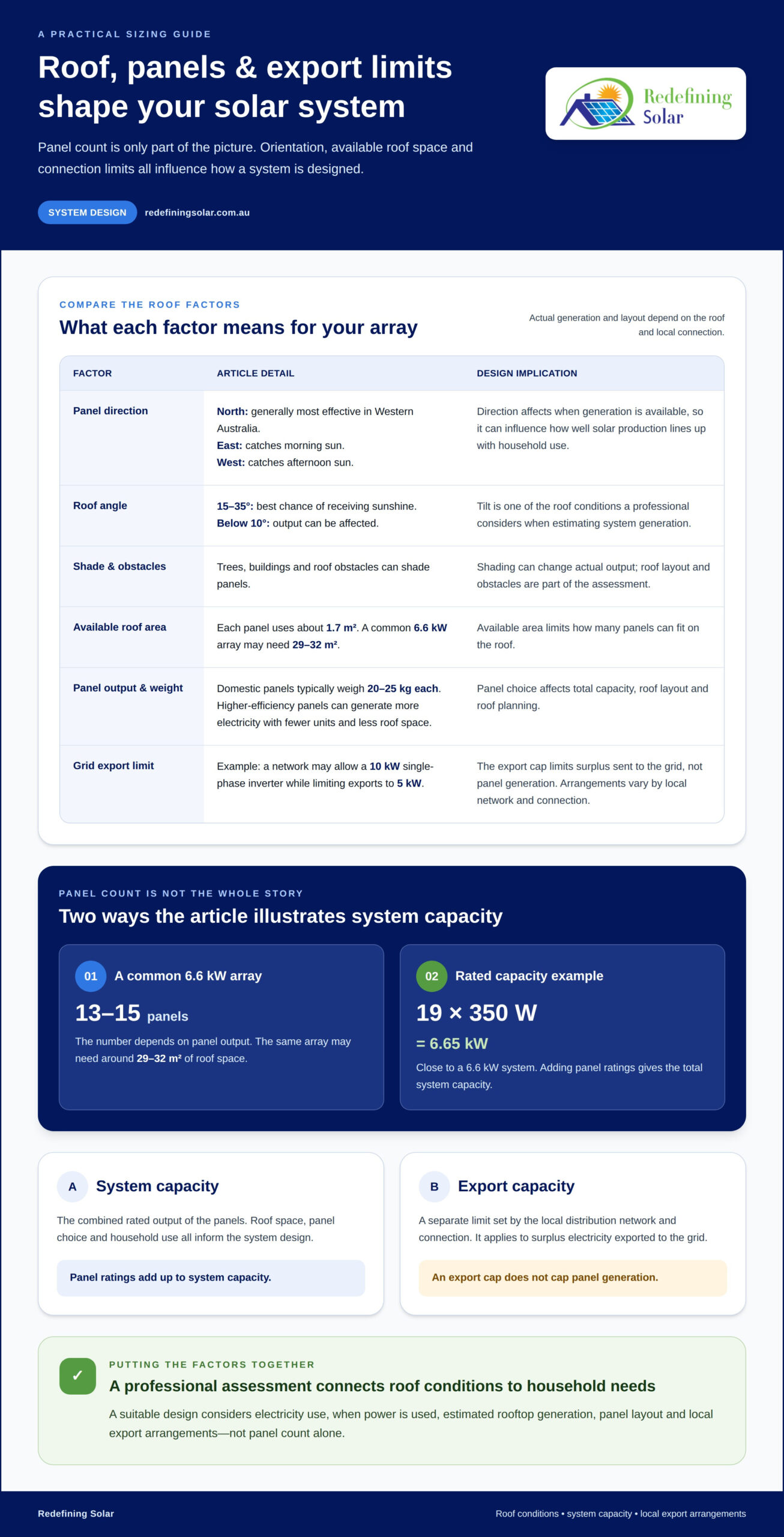
North-facing panels are generally most effective in Western Australia; east-facing panels catch morning sun, while west-facing panels catch afternoon sun. Roofs angled between 15 and 35 degrees have the best chance of receiving sunshine; below 10 degrees, output can be affected. Trees, buildings and roof obstacles can also shade panels. Each panel uses about 1.7 m², and a common 6.6 kW array may need 29-32 m². Owners need to consider orientation when matching renewable energy generation with household use and electricity bills. Available area limits panel count.
Panel wattage and system capacity
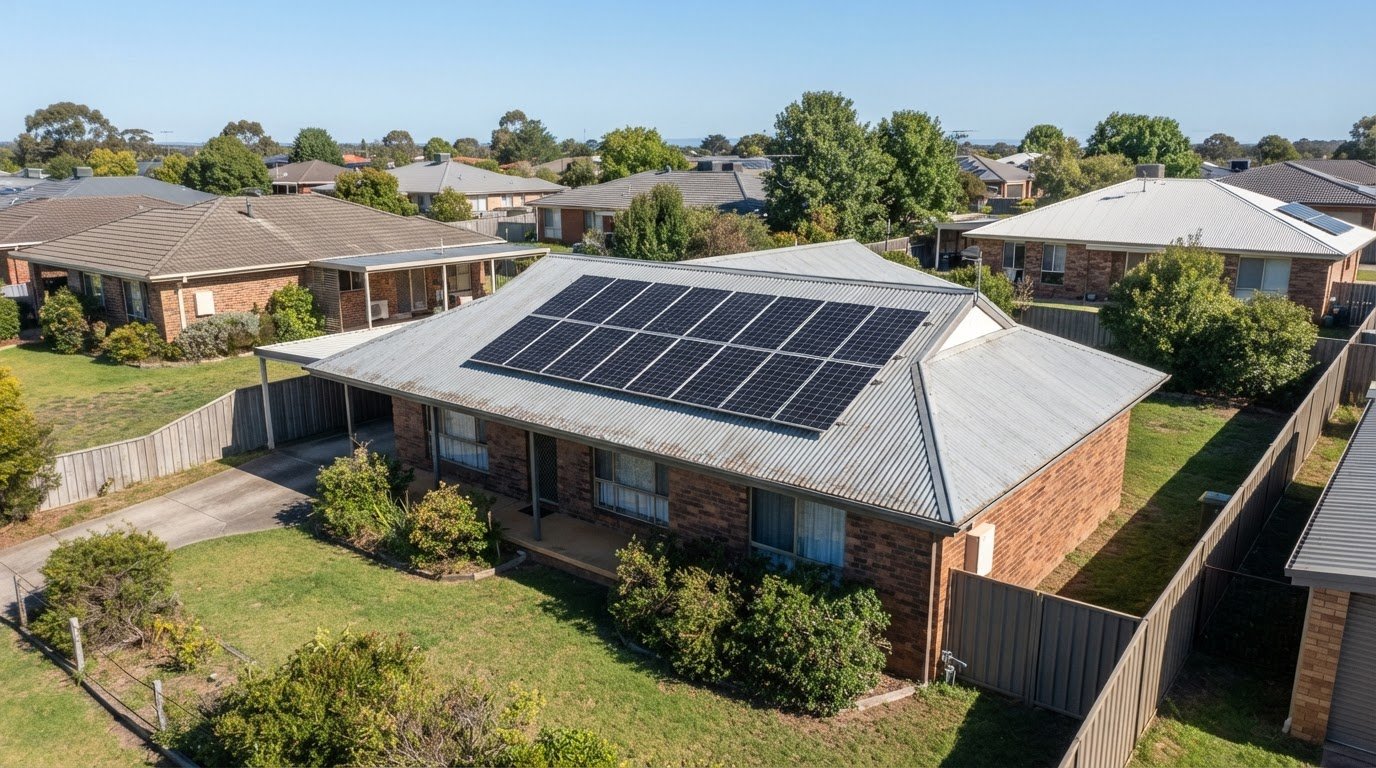
Panel wattage is its rated capacity, and adding panel ratings gives total system capacity. Nineteen 350 W panels total 6.65 kW, close to a 6.6 kW system. In Australia, a 6.6 kW array can use 13 to 15 panels, depending on panel output. Higher-efficiency panels can generate more electricity with fewer units and less roof space. Domestic panels typically weigh 20-25 kg each, another factor in roof planning. Panel choice affects both capacity and layout.
System size and export limits
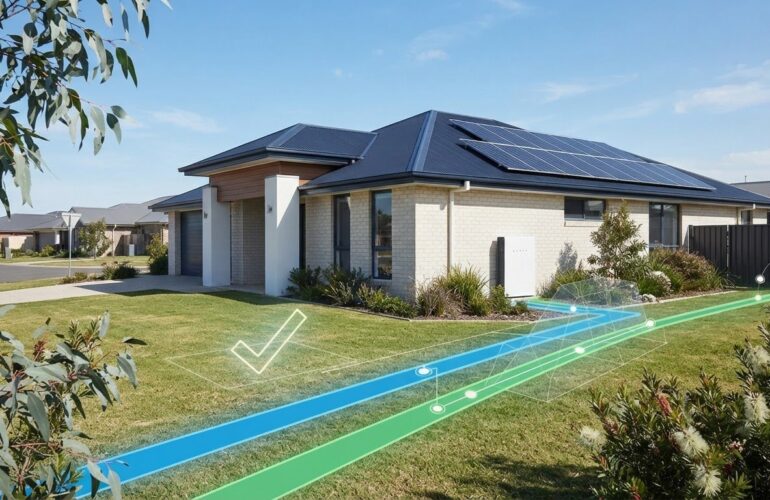
System capacity and export capacity are separate limits. A distribution network may allow a 10 kW single-phase inverter while limiting exports to 5 kW. That caps surplus grid exports, not panel generation. Export arrangements vary by local network and connection, rather than following one figure for every state. System design weighs these limits with roof space and household use. Explore residential solar systems with those factors in mind.
Household electricity consumption and daily usage patterns
An Australian household uses approximately 15.31 kWh of electricity per day on average, but that total alone can’t size a system. Your electricity bill shows overall usage; its timing reveals how much solar energy you can use directly. A home occupied during daylight may consume more generated power than one where appliances operate mainly after sunset. That difference affects likely solar savings, even when both homes use similar daily amounts.
Appliance patterns make the distinction clear. A 3.5 kW air conditioner running for one hour uses 3.5 kWh, so regular daytime cooling can lift demand while panels generate. In the Adelaide example, a household uses 40% of its electricity during daylight hours. A professional considers these patterns alongside your bill, rather than treating the daily total as the whole picture. This helps match system output to useful consumption.
Seasonal use matters too: heating, cooling and hot-water demand can change across the year, while solar generation varies with available sunlight. A system sized around a mild-season bill may not reflect peak summer cooling or winter heating needs. Future appliances also affect planning. Rewiring Australia estimates an average fully electrified household uses around 37 kWh per day, illustrating how electrification can change the load a rooftop system needs to serve.
Electricity prices and feed-in tariffs affect the value of exported solar, not your household’s underlying usage. Your retailer’s import rate affects the cost of power bought after sunset, while the feed-in tariff determines credits for surplus generation. If daytime use is low, a battery can store solar energy for later. You can also shift appliance use into sunny hours to make more direct use of your solar power. An inverter converts panel output for household use. A professional estimate compares consumption and generation across seasons and tariff settings, so projected bill savings account for both self-consumption and exports.
Choosing a solar system size with professional advice based on your household energy use
A solar professional can turn your household’s electricity records into a system recommendation. They review bills, identify regular loads and note when appliances operate. This helps show whether demand is steady through the day or concentrated in the evening. The assessment should also consider expected generation, roof conditions and the grid connection, rather than relying on household size alone.
The number of people in a home is only a rough guide to electricity use. A smaller household running air conditioning, electric cooking and hot water may use more power than a larger household with fewer energy-intensive appliances. Installers consider what you use, when it runs and whether those patterns may change. Average usage is a useful starting point, not a fixed rule for every home.
Future plans matter. If you expect to replace gas appliances with electric alternatives, a professional can factor that added load into the proposed panel size and inverter arrangement. A fully electrified household may require a 10 kW to 13 kW solar system. By contrast, a home with lower demand may not benefit from simply choosing a bigger array. The recommendation balances expected consumption, generation and usable roof area.
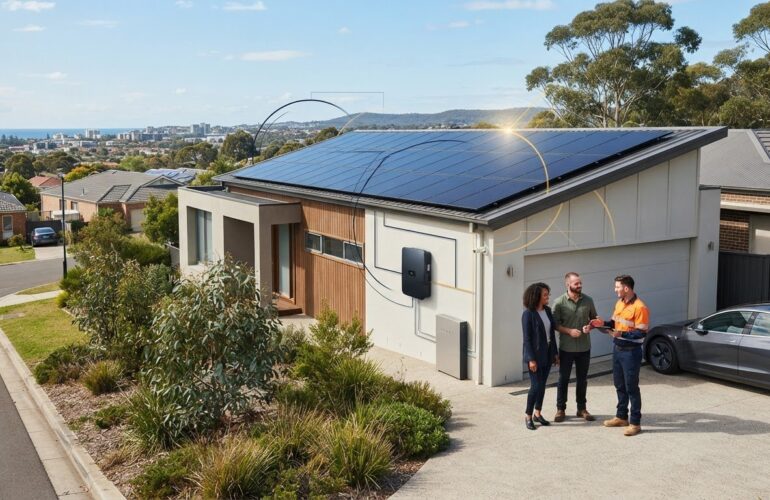
Connection capacity and export settings also influence system design. A quote can set out the proposed panel capacity, inverter and expected generation, helping you understand what each option is designed to do. Government support may affect eligibility and upfront costs. For example, households must use a retailer authorised for the Solar Homes Program to qualify for its rebate or loan. This requirement concerns program eligibility, not household energy demand.
For a recommendation based on your usage and home, request professional solar system sizing.
Redefining Solar: Solar Thermal Water Heating System
Redefining Solar’s Solar Thermal Water Heating System can use solar energy to heat household water. It meets hot-water demand, while a rooftop solar electricity system generates power for appliances. The two solutions address different household needs, so considering them together can help you plan for electricity use and water heating.
If your priority is choosing a solar electricity system, focus on consumption, roof conditions and connection limits. If you’re also considering solar thermal water heating, Redefining Solar can help you consider how it fits your household’s needs.
Contact Redefining Solar to talk through your solar options.
Plan your next step with confidence
A calculator can help frame your decision, but the next step is turning an estimate into a design suited to your home. If you’re using a solar system size calculator for my home, treat the result as a starting point for discussing how your household uses power and what you want your system to support.
Your plans may extend beyond rooftop electricity. Redefining Solar offers residential and commercial solar systems, Battery Ready & Upgrades, and solar thermal water heating. These options address different energy needs, from planning a home system to preparing for battery storage. Start with how you use energy and what you want your system to achieve.
For guidance on a system suited to your household, contact Redefining Solar. A clear discussion can help you move from an initial estimate towards a considered solar plan.
Frequently Asked Questions
How much roof space do solar panels need?
A common 6.6 kW rooftop solar system needs about 29-32 m² of roof space. The usable area matters more than the roof’s total footprint: ridges, skylights, vents and shaded sections can affect panel placement. A professional maps the roof layout and panel arrangement to estimate how many panels fit. Panel wattage also affects the total count needed for the selected system capacity.
How much electricity will my system generate?
Generation depends on system capacity and location. For a rough daily estimate, multiply the system’s installed kilowatts by the average daily output per kilowatt for your city. For example, Perth’s estimate is 4.4 kWh per installed kW per day. Treat that as an average, not a promise for every day: roof direction, shading and seasonal sunlight also affect actual output.
How much electricity does an average Australian household use per day?
An average Australian household uses approximately 15.31 kWh of electricity per day. Your household’s figure can differ with heating, cooling, hot water, cooking and other appliances. A useful comparison is to look at your own electricity usage over a full billing period, rather than relying on the national average. This gives a more relevant starting point for discussing your home’s solar requirements.
How does a solar professional use your electricity bill to estimate the solar panel system size you need?
A professional uses the bill’s recorded electricity consumption to understand how much power your household draws from the grid. If the bill covers 90 days, dividing its kWh total by 90 gives a simple daily average. That figure helps frame the estimate, while seasonal bills and daytime use add context. The bill total alone doesn’t show when each appliance operates.
What size solar system is suitable for a 2, 3 or 4 person Australian household?
There isn’t a reliable system size based on household headcount alone. A 6.6 kW system is typically adequate for an average Australian home, but two people using electric heating and cooling may have different demand from four people with lower appliance use. A professional considers actual electricity consumption, usage timing, future electrification and roof conditions before recommending capacity.
How much electricity does a solar system produce by state and season in Australia?
Average daily generation estimates vary by city: Adelaide and Brisbane are 4.2 kWh per installed kW, Canberra 4.3, Darwin and Perth 4.4, Hobart 3.5, Melbourne 3.6, and Sydney 3.9. These are city averages, not separate seasonal forecasts. Output changes through the year with sunlight and weather, so seasonal production won’t match the daily average every day.