
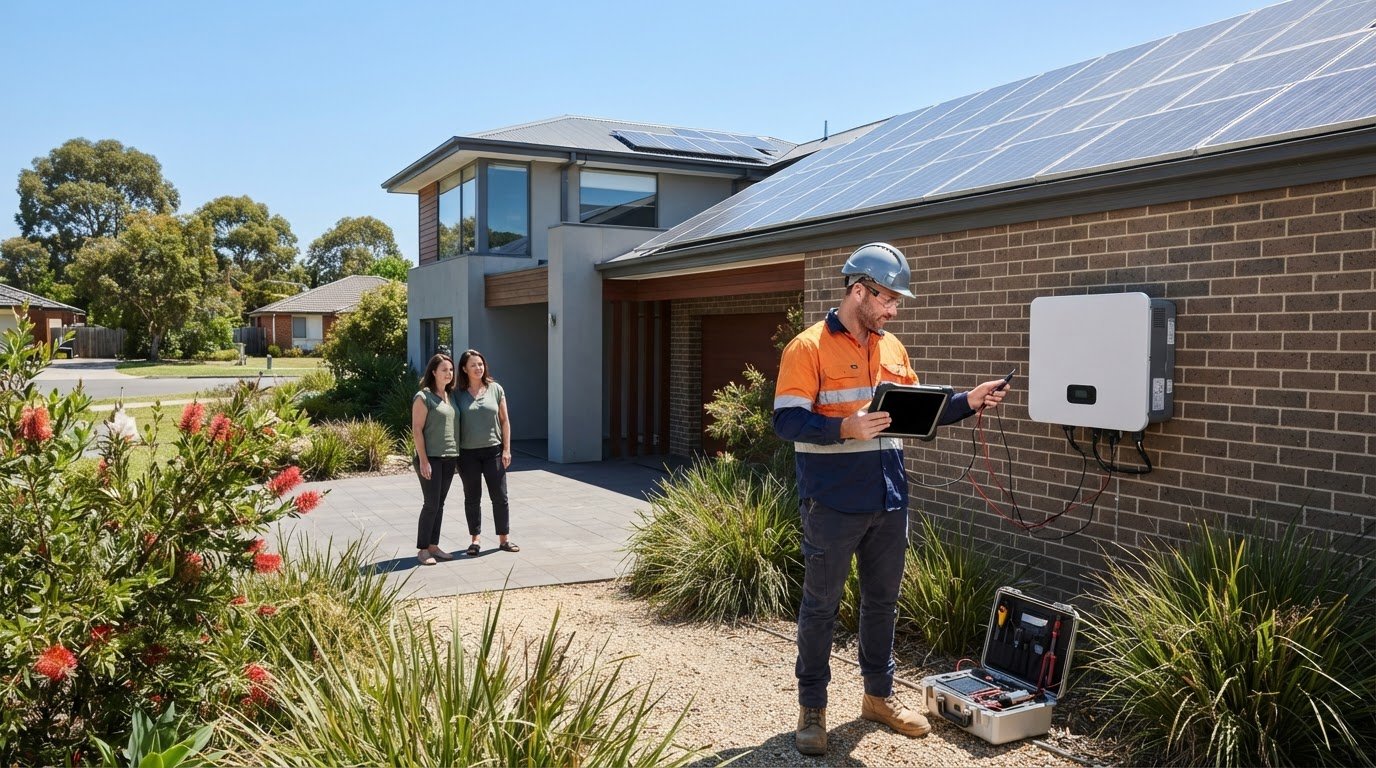
If you’re searching for expert solar panel repairs, a system producing less power than expected doesn’t automatically need replacing. A drop in generation or a system that appears to have stopped can be worrying, but the cause could be the inverter, a panel, wiring or another part of the system. The symptom alone won’t identify the fault.
It’s reasonable to want a clear explanation before agreeing to repairs or replacement. Solar equipment contains electrical components, so leave fault-finding beyond basic checks of your monitoring display to a qualified professional. Don’t climb onto the roof or attempt electrical repairs yourself.
This guide covers common warning signs, what information to gather before arranging an assessment, and what professional diagnosis and repair can involve. It also explains how to compare repair with replacement based on your system’s condition and practical value. Redefining Solar provides repair and maintenance for solar power and solar heating systems. The business is directed by a licensed electrician, with the focus on understanding the fault before deciding on a safe, sensible next step.
Key Takeaways
- A change in solar output is a reason to investigate, not proof that your panels have failed.
- Professional diagnosis considers reported symptoms and system setup to identify where the fault may lie.
- Compare repair and replacement by considering the fault, equipment condition, system age and compatibility.
- Before arranging solar panel repairs melbourne, gather your system documents, monitoring information and a clear description of what has changed.
- Redefining Solar provides repair and maintenance for solar PV and solar thermal systems, with the business directed by a licensed electrician.
Solar panel repairs: signs your system needs professional attention
If your solar system is generating less than expected, behaving differently or showing no activity, it’s natural to wonder whether a panel has failed. A change in output is a reason to investigate, but it doesn’t prove the panels are faulty. Weather, seasonal daylight and new or growing shade can all affect generation. A fault elsewhere in the system can produce similar symptoms.
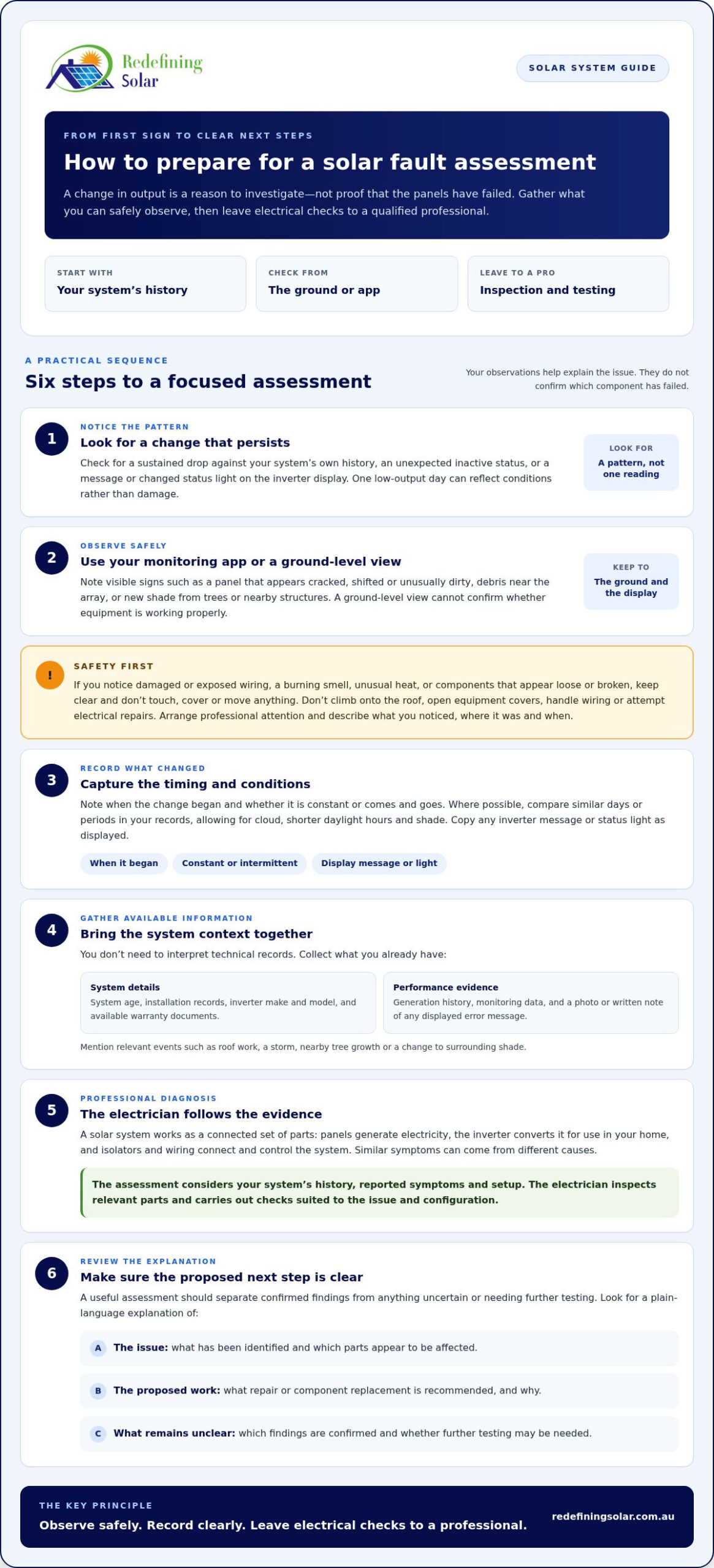
Start with what you can safely observe from the ground or through your monitoring app. Look for a persistent drop compared with your system’s own history, an unexpected inactive status, or a message or changed status light on the inverter display. A single low-output day may reflect conditions rather than damage. Look for a pattern and note when it began.
What changes in solar performance are worth investigating?
Compare similar days or periods in your records where possible, allowing for cloud, shorter daylight hours and shade from trees or nearby structures. Note any inverter message or status light as displayed, but don’t open the unit or attempt electrical troubleshooting. Record when the change started and whether it happens constantly or comes and goes. These details give a technician a useful starting point.
Visible signs can also help you describe the issue. From a safe position, you might notice a panel that appears cracked, shifted or unusually dirty, or debris or new shade around the array. Don’t climb onto the roof to check. A ground-level view can’t confirm whether equipment is working properly, and a panel that looks intact can still be part of a system with a fault elsewhere.
Which solar system components can be involved?
A PV system works as a connected set of parts. Panels convert sunlight into electricity, the inverter converts that electricity for use in your home, and isolators and wiring connect and control the system. For a simple overview of panel function and types, see What is a solar panel? Because the parts work together, an output drop or inactive display can have different causes. Proper diagnosis helps identify where attention is needed instead of assuming the panels have failed.
Some signs call for a safety-first response, not further observation. If you notice damaged or exposed wiring, a burning smell, unusual heat around equipment, or components that appear loose or broken, keep clear and don’t touch, cover or move anything. Don’t remove inverter or isolator covers, handle wiring, operate equipment to test it, or access roof-mounted parts. Arrange professional attention and describe exactly what you noticed, where it was and when it occurred.
These observations can help explain the problem without putting you at risk. For solar panel repairs, a clear record of output changes, display messages and visible warning signs supports a more focused assessment. Report what you can see, then leave inspection and testing of electrical components to a professional.
How solar fault diagnosis identifies the source of a problem
A system symptom is a starting point, not a diagnosis. Lower generation, an inverter message or intermittent operation can point to different causes, so a professional assessment considers the available evidence before recommending repairs. The aim is to identify which parts are affected and explain what the findings mean for your system.
Solar fault diagnosis uses a system’s history, reported symptoms and appropriate inspections or tests to identify the likely source of a problem. The assessment follows the fault and system configuration. The relevant components and test methods depend on what you’ve noticed and how your solar system is set up.
What information helps an electrician assess a solar fault?
Before the assessment, gather the information you already have. System age, installation records, inverter make and model, and available warranty documents can help build a picture of the equipment. You don’t need to interpret technical records yourself. Generation history, monitoring data and a photo or written note of any displayed error message can show what changed and when.
Include a short timeline. Note whether the issue began suddenly or developed gradually, and whether it is constant or intermittent. Mention relevant events such as roof work, a storm, nearby tree growth or a change to surrounding shade. These details may help explain the symptoms, but they don’t prove that a particular component has failed.
What should a clear repair assessment explain?
After reviewing the history and symptoms, an electrician inspects relevant parts of the system and carries out checks suited to the issue and configuration. The findings can help distinguish a fault affecting one component from a broader issue affecting system operation. For example, a display message and a change in generation are clues to assess together, not proof on their own that the inverter or panels need replacing.
A useful assessment should make the next step understandable. Look for a plain-language explanation of:
- What issue has been identified and which parts appear to be affected.
- What repair work is proposed, including any component replacement and why it is needed.
- Which findings are confirmed and what remains uncertain or may require further testing.
That distinction matters. Sometimes the available checks establish the fault clearly. In other cases, further investigation is needed before the cause can be confirmed. A clear explanation helps you understand the evidence and consider repair options without feeling rushed into replacing equipment.
Redefining Solar provides solar PV and solar thermal system repairs and maintenance, with the business directed by a licensed electrician. To understand your system’s condition, explore solar repair and maintenance.
Solar repair or replacement: how to compare your options
Once the source of a fault is better understood, the next question is whether to repair the affected part or replace more of the system. Neither option is automatically right. The decision should reflect the extent of the fault, the condition of the other equipment and whether the proposed work makes practical sense for your setup.
A clear assessment helps you compare like with like. Consider these factors together rather than treating system age or one failed component as the deciding factor:
- Fault extent: Is the issue isolated, or are several parts affected?
- Equipment condition: Are the remaining panels, inverter and connections in serviceable condition?
- Age and compatibility: Can a suitable component work with the existing system?
- Future plans: Are you considering a battery or a broader system change?
When may repairing an existing solar system make sense?
Repair may be practical when an inspection identifies an isolated fault and the rest of the system is in sound, serviceable condition. The affected component also needs to be repairable or replaceable in a way that works with the existing equipment. One faulty part doesn’t automatically mean every panel or system component needs replacing. The recommendation depends on the inspection and the condition of the whole system.
Ask for the proposed work to be explained in plain language. The assessment should identify the fault, describe which parts are affected and explain why a particular repair or component replacement is recommended. It should also explain relevant limitations, such as work that may not address other wear or faults found elsewhere. That gives you a basis for deciding without assuming a repair will restore a particular level of generation.
When should replacement or an upgrade be considered?
Broader replacement or an upgrade may be worth considering if an assessment finds widespread deterioration, repeated faults or equipment that can’t be made compatible with the existing system. These are factors to weigh, not automatic reasons to replace everything. If the inverter is involved, the guide to solar inverter replacement can help you understand that component’s role in the decision.
Your plans matter, too. If you’re considering battery storage or changing the system more broadly, discuss how that may affect the suitability of existing equipment. A battery-ready upgrade can involve different considerations from a repair to one part, so weigh the current fault against your intended system setup. The right scope depends on the assessment, not an assumption that newer equipment is always better.
For homeowners searching for solar panel repairs melbourne, a balanced recommendation should explain both the proposed work and its relevant limitations. Compare the equipment’s condition, the extent of the fault and compatibility with the system you want to keep or develop. With those details, you can weigh repair against replacement on practical grounds and choose a next step with greater confidence.
How to prepare for solar panel repairs and assess the work
A little preparation can make a solar assessment more focused and help you understand the repair options. You don’t need to inspect electrical equipment or climb onto the roof. Gather information you already have, describe what has changed and leave physical checks and testing to the electrician.
What to gather before arranging a solar assessment
Collect your installation details, inverter make and model, system manuals and any warranty paperwork you can find. Save available monitoring screenshots or generation records that show how output has changed. Write down error messages exactly as displayed, when they first appeared and whether they come and go. Mention relevant events, such as a storm, roof work or a change in nearby shade.
Keep your notes factual. For example, “the monitoring showed no generation on several afternoons” is more useful than guessing that a particular panel has failed. If you have photographs of a display or a visible issue taken safely from the ground, keep them with your records. Don’t remove covers, handle wiring or take risks to collect more information.
For an assessment, prepare your installation and inverter details, manuals or warranty documents, available generation records, error messages and a brief timeline of the symptoms.
How to understand the proposed repair scope
Before authorising work, read the written scope and check that it connects the reported symptoms to the findings. It should identify the affected components, describe the proposed repair and explain why any replacement part is needed. If the assessment separates confirmed findings from items needing further testing, that distinction should be clear.
Make sure any relevant limitations, safety considerations and follow-up actions are stated plainly. A repair to one component, for instance, may not address a separate issue that needs further investigation. Understanding what the proposed work covers, and what it doesn’t, helps you make an informed decision instead of relying on assumptions about the outcome.
If any part of the scope is unclear, ask for an explanation before agreeing to the work. You should be able to understand what will be done, which parts are involved and what further steps may be recommended. Keep the assessment, written scope and repair records with your system documents. This creates a useful history for future maintenance or fault assessments.
Good records also make it easier to compare the initial symptoms with the findings and completed work. Store dates, messages, monitoring information and follow-up notes together, digitally or in a folder. For homeowners researching solar panel repairs melbourne, Redefining Solar provides repair and maintenance for existing solar systems. You can arrange a solar repair assessment with the information you’ve gathered.
Solar panel repairs with Redefining Solar: a clear path to next steps
A solar fault can leave you unsure whether you need a repair, a replacement part or a broader system change. Redefining Solar provides repairs and maintenance for existing solar systems. The business is Australian-owned and operated and directed by a licensed electrician. Share what you’ve noticed and the details you have to help focus the discussion on your system and its condition.
What Redefining Solar can help with
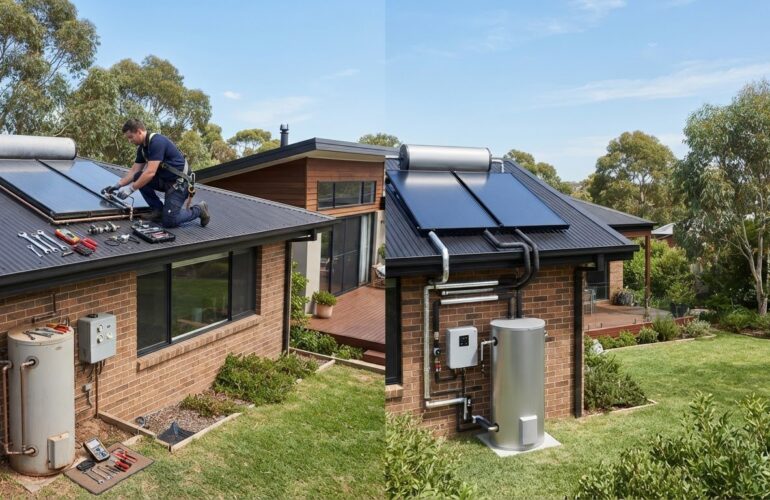
Redefining Solar provides repairs and maintenance for residential and commercial solar photovoltaic (PV) systems and solar thermal water heating systems. These are different types of solar equipment: PV systems generate electricity, while solar thermal systems use sunlight to heat water. An assessment considers the relevant system and reported issue rather than assuming the same repair approach applies to both.
For a PV system, a drop in generation or an inverter issue may prompt an assessment of the equipment involved. For solar thermal, the concern may relate to the system’s water-heating operation. In either case, diagnosis helps establish what is affected before you decide on the next step. If a repair is suitable, the proposed work should be explained in relation to the findings. If an upgrade is worth discussing, that conversation should reflect the system’s assessed condition and your needs, not pressure to replace equipment without a clear reason.
That measured approach is useful whether you manage a household system or a commercial installation. It helps you understand the issue, the scope of recommended work and any relevant limitations or further steps. Solar repairs address the solar equipment and its operation. They are separate from roof replacement or roof tiling.
Arrange a solar repair assessment
To get the discussion underway, share the system type, its approximate age if known, and the symptoms you’ve observed. Inverter details, monitoring records, error messages, installation documents or warranty paperwork can also provide context. You don’t need to diagnose the fault yourself or inspect electrical components. A clear account of what changed and when gives the assessment a practical starting point.
For anyone looking into solar panel repairs melbourne, the aim is to understand the fault and the system before choosing a response. Redefining Solar can assess the relevant equipment and explain suitable next steps. You can talk to Redefining Solar about your solar repair when you’re ready to arrange an assessment.
Take the next step with confidence
You don’t need to decide in advance whether your system should be repaired or replaced. A professional assessment can turn an unexplained change into a clearer picture of your system’s condition, so your next decision is based on the findings rather than guesswork. If you’re considering solar panel repairs melbourne, gather the system details and records you have, then discuss the symptoms and practical options.
Redefining Solar is an Australian-owned and operated business directed by a licensed electrician. It provides repairs and maintenance for solar PV and solar thermal systems, with a focus on understanding the issue and discussing a suitable way forward for your system.
Talk to Redefining Solar about your solar repair and take an informed step towards resolving the problem. Start with the information you have and build a clearer plan from there.
Frequently Asked Questions
Why has my solar system stopped producing electricity?
A system that appears inactive may have a fault, but the monitoring display alone can’t confirm that electricity has stopped being generated. Check whether the reading is current and compare it with the inverter display during daylight, without opening or operating equipment. Cloudy conditions can lower output, while a monitoring connection issue can affect what you see in an app. If the system remains inactive, arrange a professional assessment.
Can solar panels be repaired, or do they need to be replaced?
Some panel-related faults may be repairable, while damage or deterioration may make replacement more suitable. The right option depends on what an inspection finds, the panel’s condition and whether a compatible part works with the existing system. A visible crack, for example, is a reason to seek an assessment, not to decide the repair scope yourself. Ask for the findings and proposed work to be explained before choosing.
How do I know if my solar inverter needs repair?
An inverter may need professional attention if its display is blank during daylight, it shows a persistent fault message or the system repeatedly stops operating. These signs don’t confirm that the inverter itself is faulty. Another part of the system or a change in operating conditions may be involved. Note the message and when it appears, but don’t remove the inverter cover or attempt to reset or test internal components.
Is it safe to use a solar system that may have a wiring fault?
If you suspect damaged or exposed wiring, treat the situation cautiously and keep people away from the affected equipment. Don’t touch cables, open enclosures or try to isolate the fault yourself. A burning smell, unusual heat or visible damage also calls for a safety-first response. Arrange professional attention and describe what you noticed. If there’s an immediate danger, move clear and contact emergency services.
How long does a solar panel repair take?
Repair time varies with the fault, the work required and the system setup, so it can’t be determined reliably from a symptom alone. An assessment may identify a straightforward repair or show that further testing or a replacement component is needed. Access to the affected equipment and the work scope can also influence timing. The expected timeframe can be explained once the findings and proposed work are clear.
What information should I provide when arranging a solar repair assessment?
Share the system’s approximate age, inverter make and model, and a concise description of what changed. Include dates, any displayed error code and whether the issue happens continuously or at particular times. A screenshot of monitoring data can add useful context, especially if it shows when readings changed. Mention previous repairs or recent changes around the system, but don’t climb onto the roof to gather details.
Do solar panel repairs include roof repairs or replacement?
Solar panel repairs relate to the solar equipment and its operation, not roof replacement or tiling. If you’ve noticed a roof concern as well as a solar fault, describe each issue clearly so the scope of the solar assessment is understood. Don’t access the roof or move panels to inspect the area. Keep the solar repair discussion focused on the system components and the assessment findings.
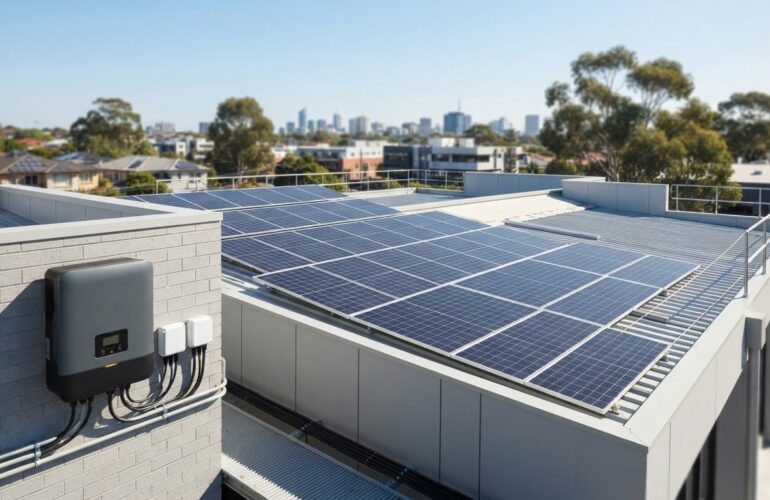
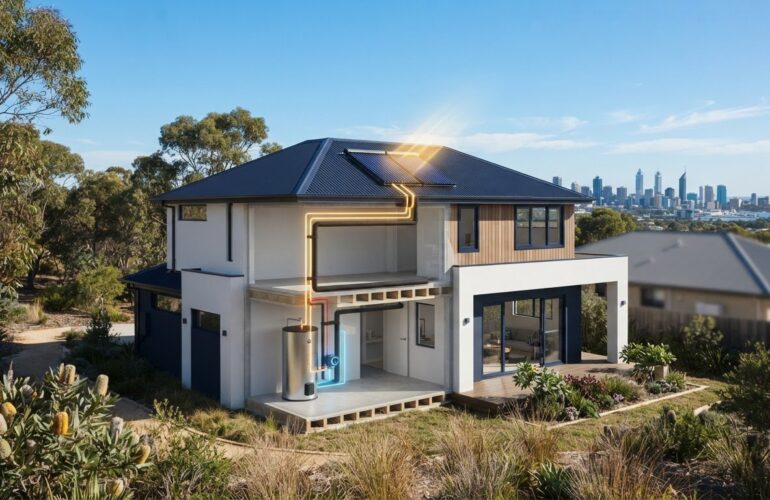
[…] connections and any battery, rather than treating the inverter as a standalone box. For more on solar panel repairs and professional fault diagnosis, see the guide to common warning signs and what to expect from an […]